India
India Eradicates Extreme Poverty, Nearly 50 Crore Lifted Out of Poverty 2011‑2023
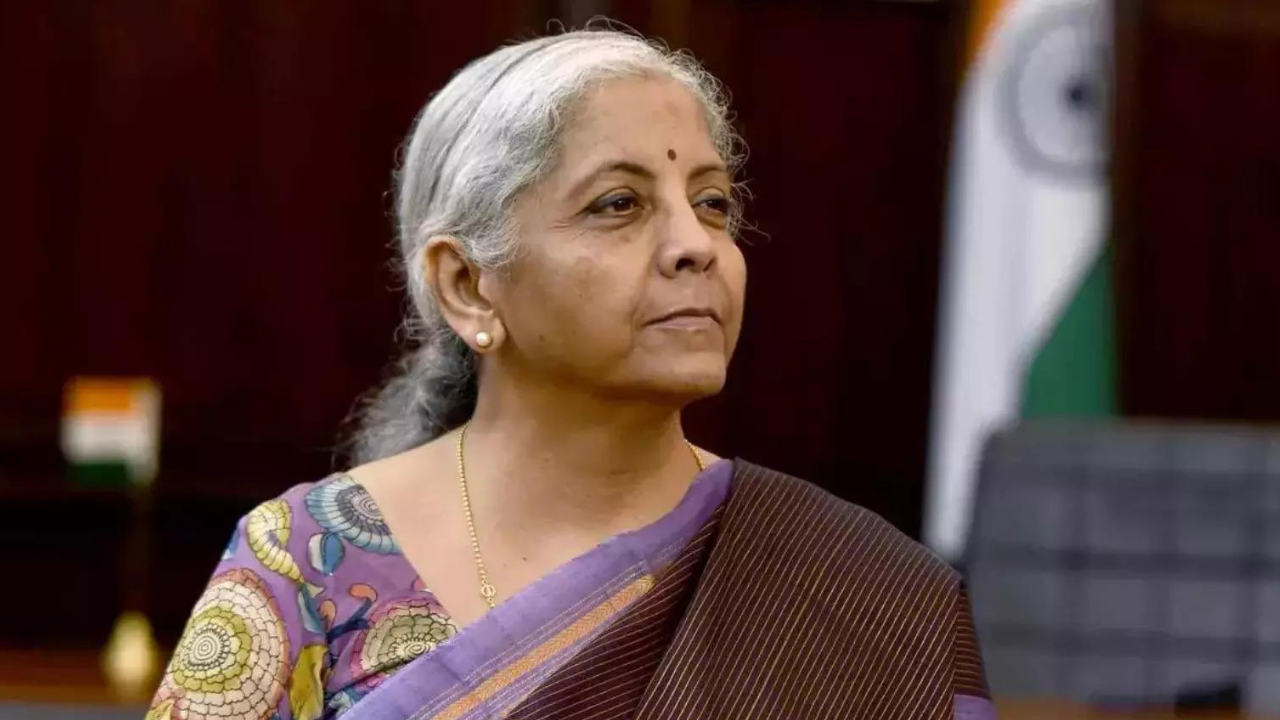
A year ago, the author visited Kiphire, a remote district in Nagaland, and spoke with tribal women from local self‑help groups. One, Esther, a Lakhpati Didi, shared that her millet‑based products are sold online beyond Nagaland, and the women expressed confidence in a better future. The author encouraged them to aim to become Crorepati Didis. These conversations reflected a transformation reaching India’s remotest areas, where geographical and economic challenges have long limited opportunities, yet aspirations for a better tomorrow are growing.
The World Bank’s Poverty & Equity Brief on India, released last month, showed that nearly 50 crore Indians have moved out of poverty between 2011 and 2023, and extreme poverty has been almost eradicated. These figures captured the transformation the author witnessed firsthand.
For more than six decades after independence, eradicating mass poverty remained an unfulfilled promise. In the early 2010s, India was portrayed abroad as a country of enduring destitution, lagging in sanitation, nutrition, clean cooking fuel and banking. The prevailing prescription was to give money to the poor and expect poverty to disappear.
The last decade has overturned that belief. Under Prime Minister Narendra Modi’s leadership, India has shifted from temporary relief to removing the barriers that perpetuate poverty. Guided by Antyodaya, the government chose the harder path of addressing deprivations and ensuring development reached those who needed it most. Targeted, focused and tailored interventions were designed to address not only income shortfalls but also the lack of secure roofs, safe water, sanitation and healthcare that keep households vulnerable.
Each scheme required careful identification of beneficiaries, effective delivery and follow‑up until the last household was reached. PM Modi has personally monitored implementation, intervened at critical junctures to resolve bottlenecks, ensured follow‑ups and encouraged the use of technology to track delivery.
Health and dignity begin at home. Under Swachh Bharat, access to household toilets has improved sanitation and helped avert an estimated 60,000‑70,000 infant deaths a year. The Jal Jeevan Mission has expanded rural tap‑water connections from about 3 crore households in 2019 to nearly 16 crore. Ujjwala Yojana has enabled cleaner, smokeless kitchens, while PM Awas Yojana has provided the security and dignity of pucca homes. Ayushman Bharat has strengthened financial protection against medical expenses.
Financial inclusion has also played a key role. Over 59 crore Jan Dhan accounts enable benefits to reach recipients directly, without middlemen. Two months ago, the author met Sushmita Gharai, a Mudra beneficiary from West Bengal, whose collateral‑free loan helped her restart a printing business after the pandemic. She now employs eight people, twice her initial workforce, and plans to expand into digital printing.
Women have led this transformation. Ten crore rural women participate in SHGs that, through the DAY‑NRLM and other programmes, have become platforms for savings, skills, credit and entrepreneurship. Over 3.7 crore women have become Lakhpati Didis, with some advancing to Crorepati Didis.
While the progress is significant, the government continues to work toward Viksit Bharat by 2047, building closer links between academia and industry through employment‑linked incentives, internships and apprenticeships, and investing in infrastructure to connect the country as never before.
With the resolve of 140 crore Indians, Viksit Bharat by 2047 is within reach, and the author says we will get there together.