Business & Finance
Gold Futures Drop Third Day as Dollar Strengthens and Fed Hints at Rate Hikes
By PTI
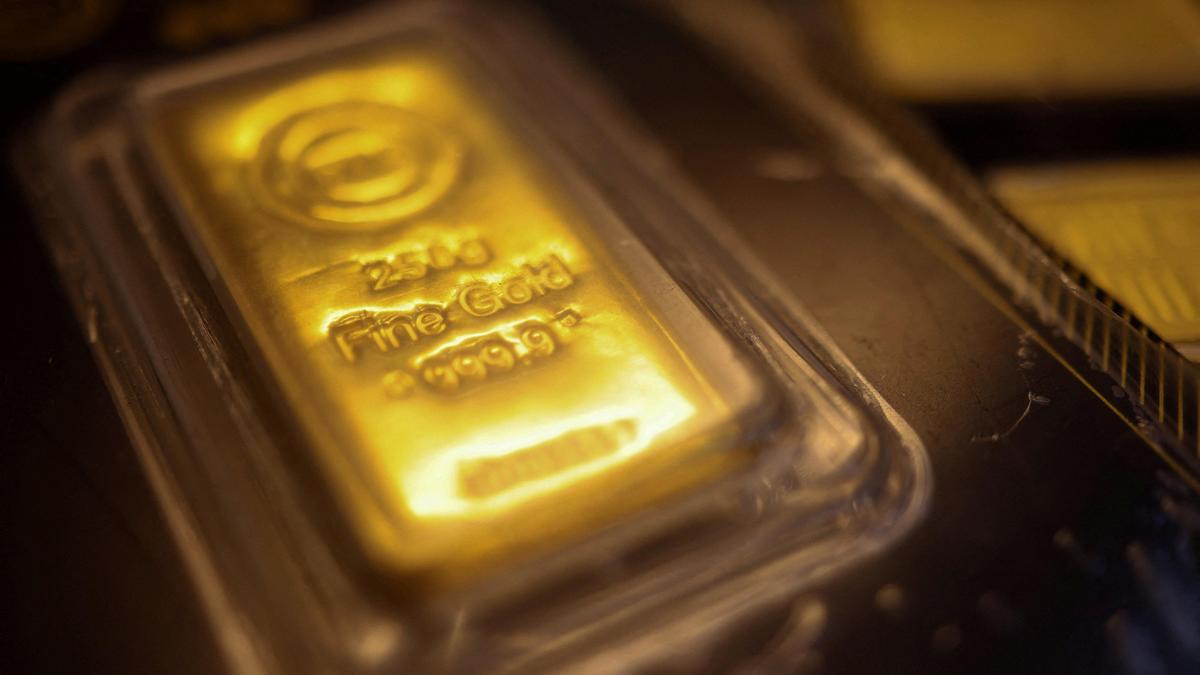
Gold futures fell for the third consecutive session on Wednesday, November 18, 2026, dropping ₹3,016 to ₹1.31 lakh per 10 grams. On the Multi Commodity Exchange, December‑delivery gold futures declined 2.25% to ₹1,31,207 per 10 grams. The metal is trading near its lowest level in more than a year, with broad‑based selling across precious metals. Gaurav Garg, Head of Research at Lemonn, said the primary pressure comes from a stronger U.S. dollar, which has reached a 19‑month high. Overseas markets mirrored the trend: Comex gold futures for December delivery fell $91.30, or 2.36%, to $3,772.90 per ounce. Akshat Siddhant, Lead Quant Analyst at Mudrex, noted that gold futures slipped below $3,800 per ounce, the lowest since September 2025, as Federal Reserve officials signaled further rate hikes and the dollar stayed near a 19‑month high. Manav Modi, Commodities Analyst at Motilal Oswal Financial Services Ltd, added that a technology‑led correction in equity markets has triggered cross‑asset liquidation, prompting investors to sell precious metals to cover losses elsewhere. Geopolitical tensions in West Asia remain a key factor influencing prices. Market participants will continue to watch Fed commentary, U.S. Treasury yields, dollar movements and developments in West Asia, with geopolitical risks potentially offsetting the prevailing monetary policy headwinds. Published – November 18, 2026 04:12 pm IST
Frequently asked questions
What caused the recent drop in gold futures?
The article states that gold futures fell due to a stronger U.S. dollar reaching a 19‑month high, Federal Reserve officials signaling further rate hikes, and cross‑asset liquidation triggered by a technology‑led correction in equity markets.
What factors are currently influencing gold prices?
The article notes that gold prices are influenced by the U.S. dollar level, Fed commentary on rate hikes, U.S. Treasury yields, geopolitical tensions in West Asia, and cross‑asset liquidation from equity market corrections.