Business & Finance
EU Proposes 3% Tax on Big Tech to Fund Next Budget
By AFP
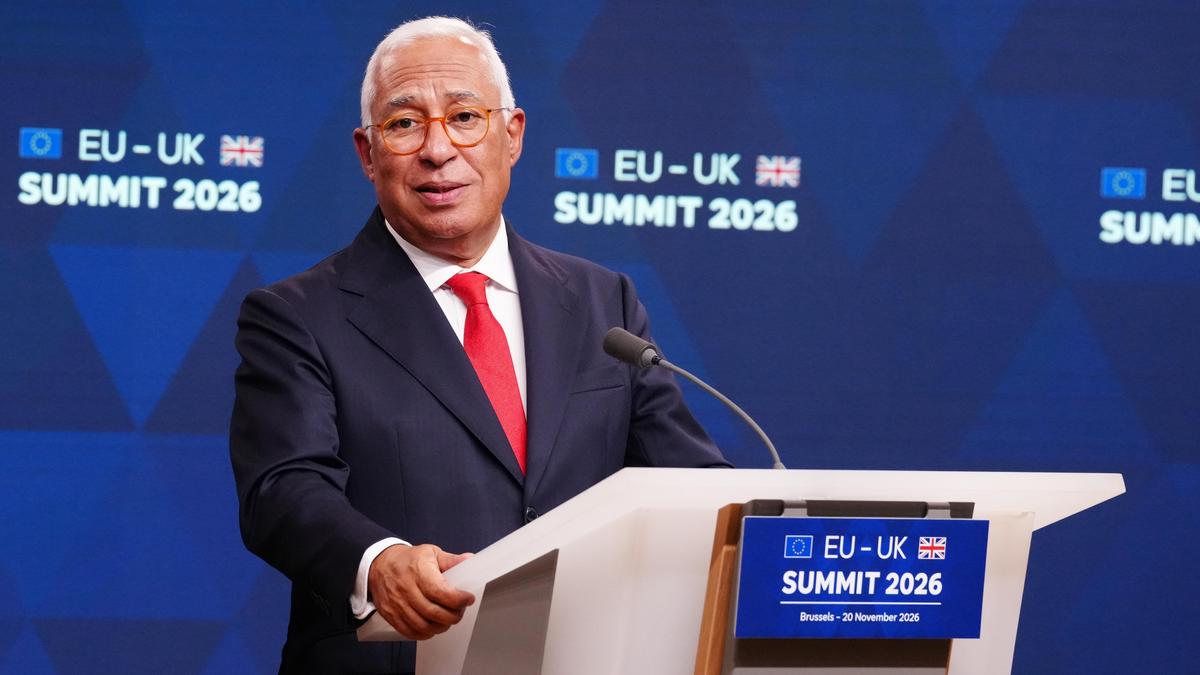
The European Union announced plans on Saturday, November 21, 2026, to tax the world’s largest digital companies as part of a new budget proposal. European Council president Antonio Costa presented a spending plan that cuts the original European Commission proposal by €204 billion ($224 billion). Costa said the revised proposal could bring the bloc closer to a final agreement.
The EU has been divided over the size of the next budget. Germany has called for major cuts after the Commission last year proposed a €2 trillion budget for 2028‑2034. Berlin criticised a revised proposal published last month that suggested slashing the seven‑year budget by €140 billion.
Costa’s draft, which aims to reach a deal by the end of the year, would introduce a tax on digital firms with an annual EU turnover of at least €50 million and a global turnover of more than €750 million. The tax would be an annual contribution equal to 3 % of the net turnover from online advertising, digital intermediation services and user‑generated data.
The plan also includes a levy on electronic waste and higher tobacco taxes. The draft is expected to provoke criticism from U.S. President Donald Trump, who has previously reacted angrily to EU fines and actions against Big Tech.
The proposal will be debated at EU leaders’ meeting in Brussels next week. Costa is pushing for a December agreement to avoid delaying talks into the 2027 election year, when eurosceptic victories could complicate future deal‑making.
Once the member states agree, they will need to negotiate with the European Parliament, which has warned it could block the spending plan if concerns are ignored. Parliament lawmaker Siegfried Muresan said the debate is too focused on cuts.
Germany is part of a group of six “frugal” members, including Sweden, which expressed scepticism this week over new taxes. Swedish Europe Minister Jessica Rosencrantz said the focus should be on reducing expenditure and national contributions.
France, the EU’s second‑largest economy and a net contributor to the budget, argues the bloc needs sufficient means to meet rising challenges. Meanwhile, 17 countries from southern, central and eastern Europe, known as the “Friends of Cohesion,” are pushing for greater funding for agriculture and regional development.
Frequently asked questions
What is the proposed tax rate on digital firms?
3% of net turnover from online advertising, digital intermediation services and user‑generated data.
Which companies would be subject to the new tax?
Digital firms with an annual EU turnover of at least €50 million and a global turnover of more than €750 million.
Who presented the EU spending plan?
European Council president Antonio Costa.