World
Iran’s Nuclear Doctrine Under Debate as Officials Discuss Potential Shift
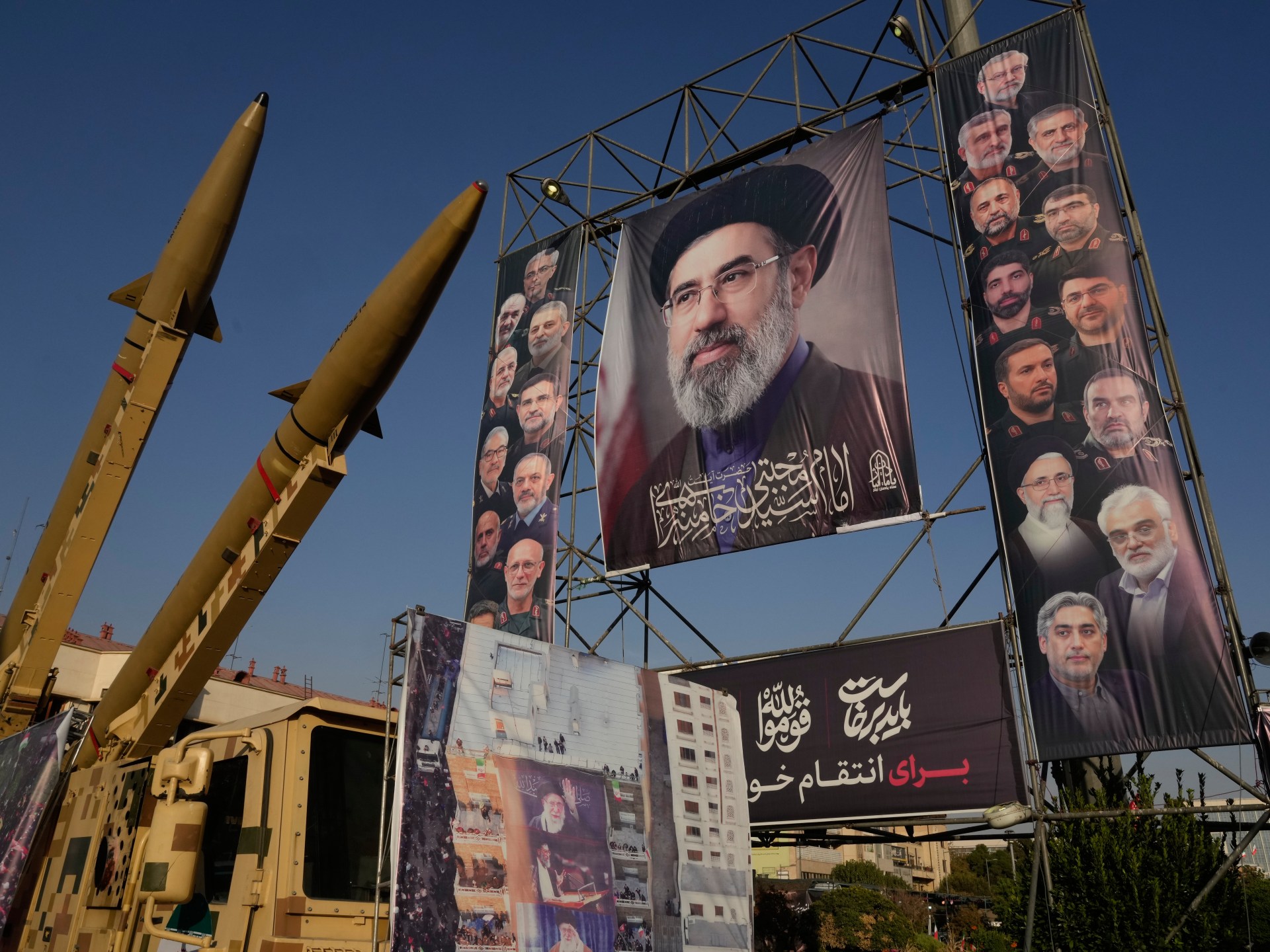
Iran’s Foreign Minister Abbas Araghchi said on Saturday that the country’s stockpile of enriched uranium will be used “according to our needs however those needs are defined,” and that a major strategic debate is underway about Iran’s nuclear doctrine. Araghchi, speaking to state‑run IRNA, reiterated that Iran’s enriched material remains inside the country. The International Atomic Energy Agency (IAEA) estimated in 2025 that Iran had about 440 kg (970 lb) of uranium enriched to roughly 60 percent, a level far above the 3 percent needed for power generation but below the 90 percent required for weapons. He said lawmakers and officials hold strong arguments for reform, citing attacks on Iranian nuclear facilities by U.S. and Israeli forces as a failure of the current no‑nuclear‑weapons approach. Araghchi acknowledged that any official change would have “far‑reaching consequences” and stated that Iran’s doctrine has not yet changed.
Other officials have echoed the possibility of review. Security chief Mohsen Rezaei said there is discussion about continuing the previous doctrine if a new war breaks out, while the Assembly of Experts on November 12 called reviewing the country’s defence doctrine and deterrence “unavoidable.” German‑Iranian political scientist Ali Fathollah‑Nejad noted that this marks the first time a governing institution has endorsed such a position.
The U.S. and Israel view Iran’s 60 percent enrichment as evidence of a weapons intent, citing the 2015 Joint Comprehensive Plan of Action (JCPOA) and the U.S. withdrawal in 2018. The IAEA’s 2025 board of governors declared Iran no longer compliant with safeguards, a claim Tehran rejected. U.S. Vice President J.D. Vance and former President Trump have repeatedly warned that high‑enrichment fuel signals a weapons program.
Analysts say the February 2025 U.S.–Israeli attacks on Iranian facilities have altered Tehran’s calculations. Rouzbeh Parsi of Lund University notes that the debate over abandoning the late Ayatollah’s ban on weapons is now “within the realm of possibility.” Simon Mabon of Lancaster University argues that while a defensive shift could be rational, it would conflict with the NPT and require withdrawal.
Fathollah‑Nejad points to divisions within Iran: hardliners view nuclear and missile assets as essential for regime security, while former Foreign Minister Mohammad Javad Zarif warns that weapons development would likely provoke further attacks. For now, Iran maintains ambiguity in its policy.
A doctrinal shift would undermine the U.S. goal of securing nuclear concessions and could prompt Israel to resume hostilities, Mabon cautions, describing the moment as “very dangerous.”
Frequently asked questions
How much enriched uranium does Iran possess?
IAEA estimated in 2025 that Iran had about 440 kg (970 lb) of uranium enriched to roughly 60 percent.
What is the current debate about Iran's nuclear doctrine?
Iranian officials, including Foreign Minister Abbas Araghchi, are debating whether to maintain the current no‑nuclear‑weapons doctrine or shift it, citing attacks on facilities and the high‑enrichment stockpile.
What could be the consequences of a doctrinal shift?
A shift could undermine the U.S. goal of securing nuclear concessions and may prompt Israel to resume hostilities, according to analyst Simon Mabon.