World
El Salvador Troops Recapture Haitian Stadium, Sparking Mixed Reactions
By Etienne Côté-Paluck, Tom Phillips
A mural of Haitian striker Emmanuel Sanon now adorns the facade of Port‑au‑Prince’s Sylvio Cator stadium, a venue that had been under gang control for more than two years. The stadium, once home to football legends such as Brazil’s Ronaldo and Roberto Carlos, was used by fighters loyal to gang boss Izo. Haiti’s national team, the Grenadiers, had been forced to play World Cup qualifying matches abroad while the stadium was empty.
Last week, Haitian police and troops from El Salvador reclaimed the stadium. President Nayib Bukele, who has deployed over 2,000 Salvadoran soldiers to Haiti since mid‑October, said the operation was a step toward ending the criminal insurgency that has displaced more than 1.5 million people and killed thousands. He claimed, "We now have the upper hand on the ground."
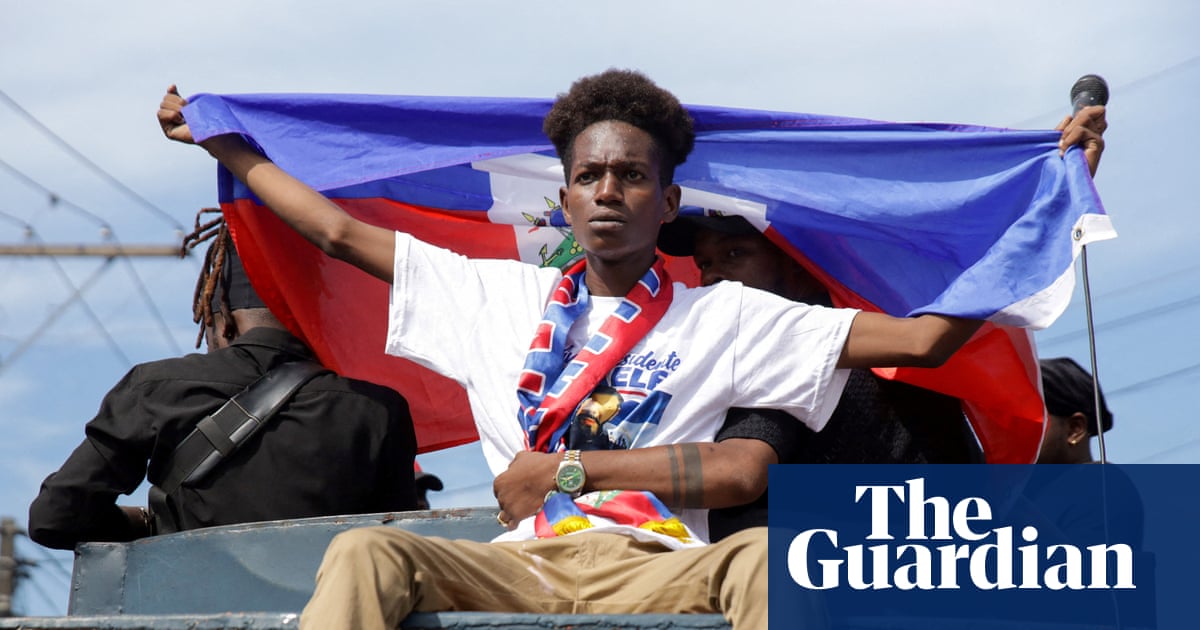
Citizens gathered outside the stadium to celebrate what they see as a potential savior. A 55‑year‑old decorator, who prefers to be called Bòs Baton, said, "There’s a wind of hope blowing through our country and, thanks to God, we will get through this. Long live Bukele!" He recalled being forced to flee his home in Poste‑Marchand after it was set on fire during an armed uprising that began in February 2024.
The operation was triggered by the 18 October abduction of four Salvadoran aviation technicians working for a UN‑backed security force. Vice‑president Félix Ulloa announced that Salvadoran troops would withdraw once the men were rescued, stating the mission was not an occupation but a response to a call for help from the Haitian people and government.
Supporters of Bukele in Port‑au‑Prince have posted social‑media clips of helicopter strikes on gang compounds and the mansion of a gangster nicknamed Taliban. Banners and billboards celebrate Bukele as a liberator, with slogans such as "The bandits won’t get a wink of sleep!" and "We’re tired! Give us Bukele!"
Some Haitians, however, remain uneasy. Heavy fighting has occurred between Salvadoran troops, Haitian police and gangs in the Village of God, a shantytown that is Izo’s main base. Police reported that at least 34 suspected criminals were killed in an operation near the stadium on Thursday.
Critics worry that Bukele’s aggressive tactics could worsen an already volatile situation. They point to his mass incarceration campaign in El Salvador, where thousands of people have been jailed without due process, and question whether similar methods will be applied in Haiti.
Despite these concerns, many Haitians view Bukele’s intervention as a decisive action that exposes the incompetence of local and foreign leaders. "Haitians are elated … it is a moment of hope," said writer and activist Monique Clesca. She added that the stadium’s recapture in less than a month demonstrates effective leadership.
The situation in Haiti remains dire, with reports of sexual slavery and gang rape. Some protesters have called on Bukele to avoid abandoning the country after intervention. The outcome of the operation and its long‑term impact on Haiti’s security and governance remain uncertain.
Frequently asked questions
How many Salvadoran soldiers have been deployed to Haiti?
Over 2,000 Salvadoran soldiers have been deployed to Haiti since mid‑October.
Why did El Salvador troops intervene in Haiti?
The intervention was triggered by the abduction of four Salvadoran aviation technicians and aimed to help end the gang insurgency.
What happened during the operation near the stadium?
Police reported that at least 34 suspected criminals were killed in an operation near the stadium on Thursday.