World
Sudan’s War Faces Possible End as Internal Pressures Mount
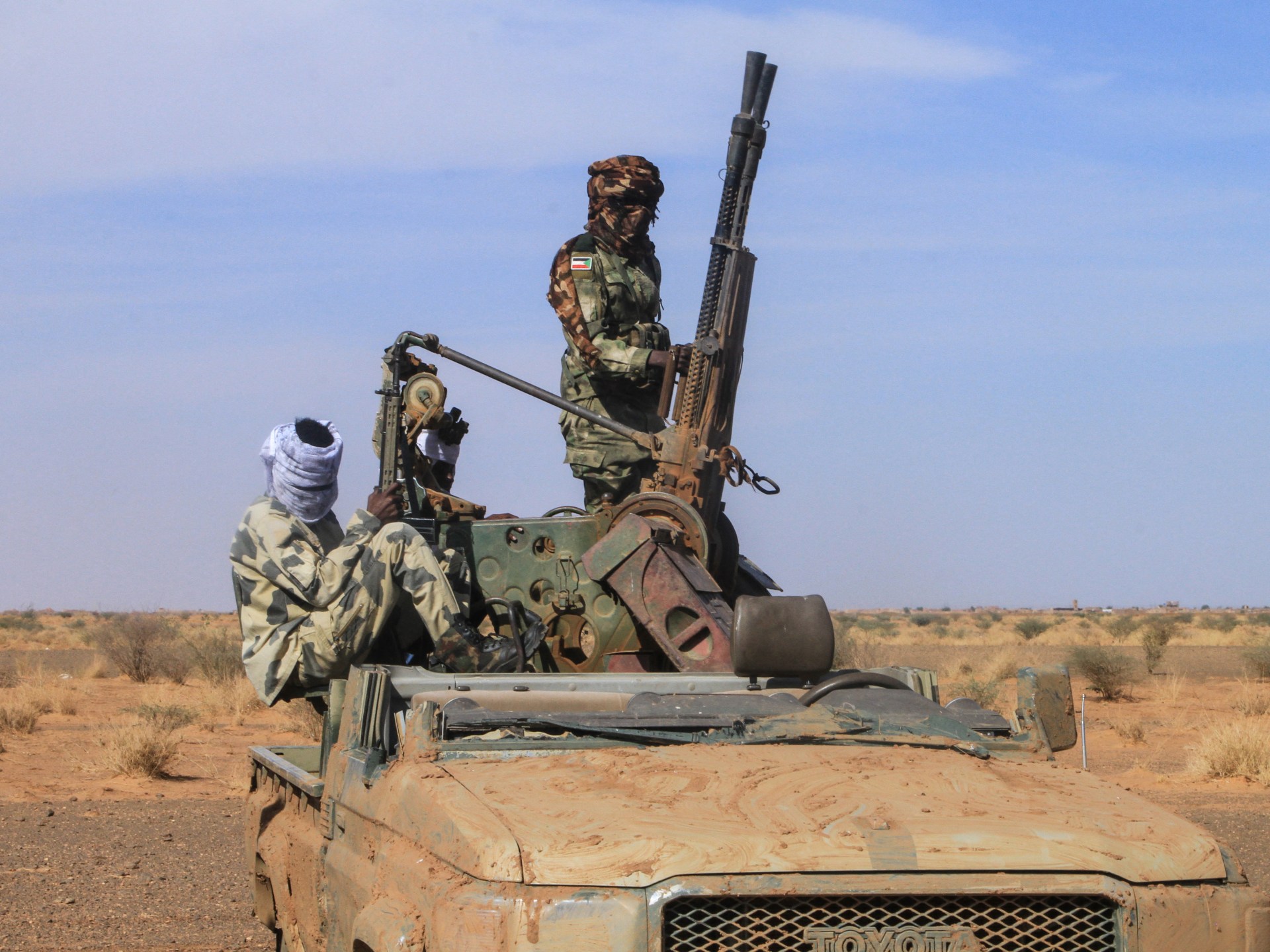
More than three years after the outbreak of war in Sudan, the conflict’s toll continues to rise, with growing displacement and urgent humanitarian needs. A recent United Nations Security Council briefing described the situation as “bleak,” noting that the parties show no credible commitment to compromise or a negotiated pause. In response, the United States has increased sanctions in an effort to raise the costs of continued fighting and force a ceasefire.
However, conditions for a ceasefire are rapidly emerging from within Sudan. The capital, Khartoum, is no longer a ghost town; international flights from Cairo, Riyadh and Doha are arriving regularly, bringing Sudanese returning home and businessmen hoping to invest in a post‑war economy. Yet the city’s economy is in freefall: the Sudanese pound fell to a record low of 9,000 to the U.S. dollar during the author’s visit, and the exchange rate now exceeds 10,000. Petrol queues stretch for blocks, and many of the 2 million returnees among the 3.8 million displaced struggle to buy groceries and keep lights on. Farmers cannot afford fertilizer, leaving productive cropland fallow.
A senior official privately acknowledged that the war economy, which once enabled the army to procure weapons, is now the greatest source of pain for the population. Friendly states such as Turkey and Saudi Arabia have provided limited, temporary fuel and energy support.
Protests over transit costs have erupted in Atbara, echoing earlier economic demonstrations that helped spark Sudan’s 2019 democratic revolution. Economic unrest has united the country in the past and could do so again, the military recognizes.
On the battlefield, Army Chief Abdel Fattah al‑Burhan has pushed back a new offensive in southeastern Sudan’s Blue Nile State and advanced farther west in West Kordofan, retaking the strategic town of el‑Khuwei and surrounding areas. The army now controls roughly two‑thirds of the country. Fighting for control of western Darfur, largely held by the Rapid Support Forces (RSF), could be costly but would demonstrate the army’s commitment to reunification and give it a strategic advantage in ceasefire talks.
The humanitarian crisis is spiralling. More than 40 percent of the population faces acute food insecurity, and the 2024 “Super El Nino” has disrupted rains and devastated harvests. The Integrated Food Security Phase Classification hunger monitor projects a worsening crisis by mid‑2027. A ceasefire in the coming months is the only way to allow a massive influx of lifesaving aid.
Public demand for a ceasefire grows with each rejected proposal. Calls for an inter‑Sudanese dialogue, political reconciliation and eventual elections are becoming more common, raising expectations that fighting should soon end and civilian governance restored.
Ultimately, the momentum for peace will come from within Sudan, not from external sanctions. As conditions for civilians deteriorate and the military’s position stabilises, there is hope that a ceasefire could be achieved before the economy and humanitarian situation reach a catastrophic point.