Politics
Shiv Sena Leader Calls for Nagpur to Be Renamed Deekshabhoomi Amid Metro Station Renaming Debate
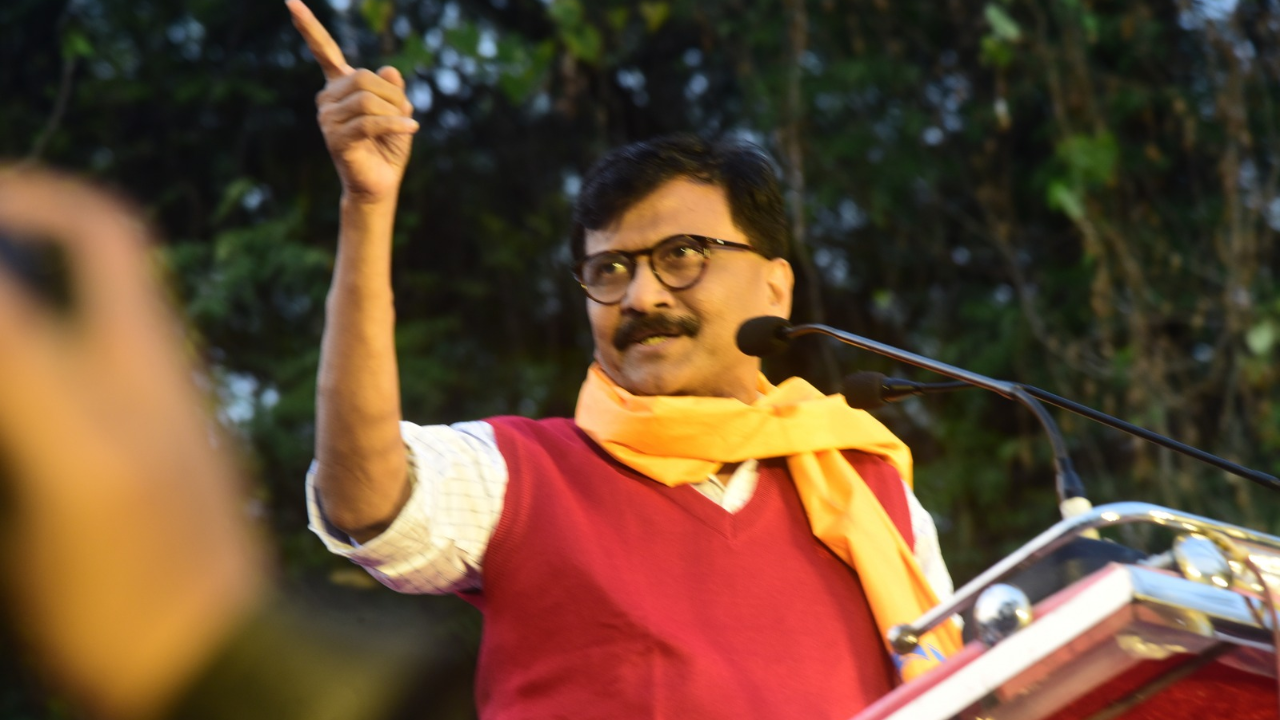
Shiv Sena (UBT) leader Sanjay Raut on Friday urged Maharashtra Chief Minister Devendra Fadnavis to propose renaming Nagpur as Deekshabhoomi in honour of Dr B. R. Ambedkar. Raut said the city’s name should reflect the historic site where Ambedkar embraced Buddhism in October 1956, a pivotal moment in the Dalit Buddhist movement. He added that his party would support the move even if it faced opposition.
The demand came as the state government announced the renaming of the Dadar Metro station in Mumbai to Chaityabhoomi, a name associated with Ambedkar’s cremation site. Raut criticised the focus on a single station, stating that the greatest honour would be to rename Nagpur itself.
Congress legislature party leader Vijay Wadettiwar echoed the call, questioning why Nagpur could not be renamed Deekshabhoomi and praising Ambedkar’s role in framing India’s Constitution.
BJP officials criticised Raut. Maharashtra BJP spokesperson Navnath Ban accused Shiv Sena (UBT) of using the Maharashtra Navnirman Sena as a proxy to oppose the Dadar Metro renaming and urged Raut to accept the Chaityabhoomi decision. BJP minister Chandrashekhar Bawankule noted that Nagpur is already closely linked to Deekshabhoomi.
The renaming proposal for Dadar Metro station was clarified to apply only to the metro and not the suburban railway station. The move has attracted political reactions, with the MNS raising objections to changing Dadar’s name.
Both Chaityabhoomi and Deekshabhoomi are significant to Ambedkar’s legacy. Deekshabhoomi in Nagpur was the site of his conversion to Buddhism on 14 October 1956, while Chaityabhoomi in Mumbai’s Dadar area was where he was cremated on 6 December 1956. The sites draw large numbers of followers annually during Dhammachakra Pravartan Din in Nagpur and Mahaparinirvan Diwas in Mumbai.