Education
Weekend Death Blocks Body Donation, Prompting University Policy Change
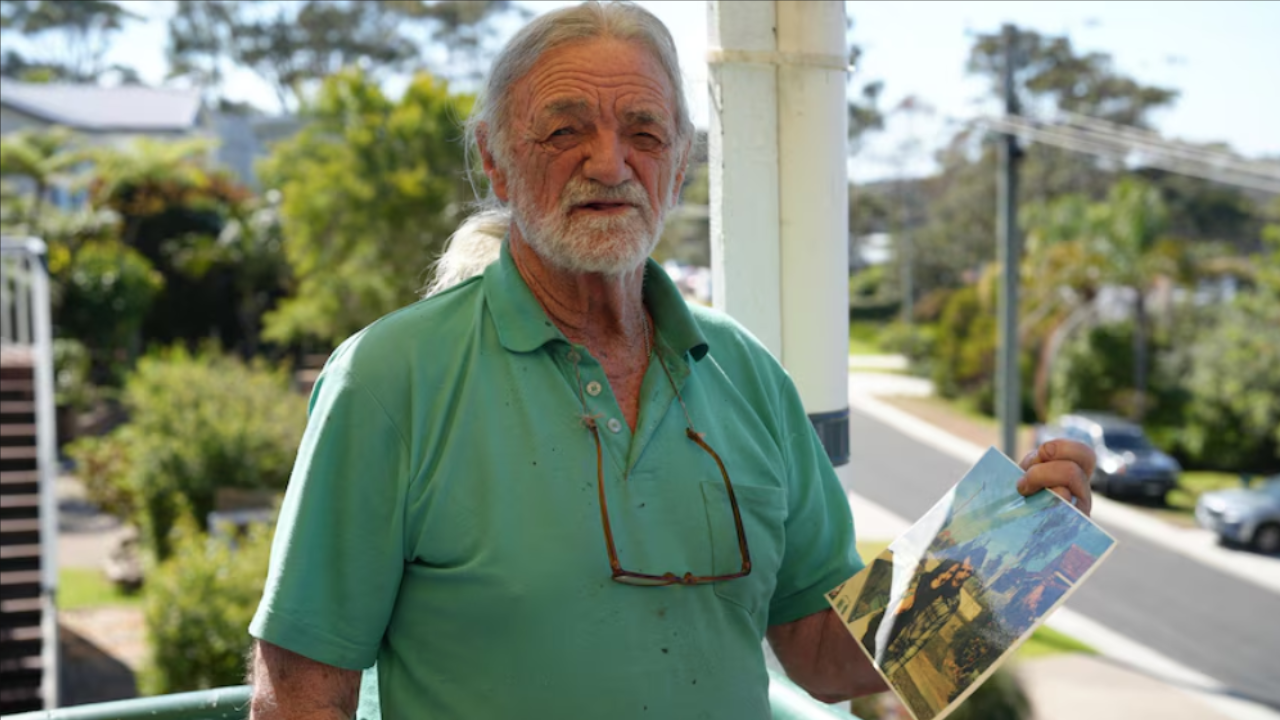
Susan Lewis, who had registered with the University of Wollongong’s body donation programme nearly ten years before her death, wanted to donate her body to science. She died at 79 on a Saturday in September in Batemans Bay, New South Wales. A miscommunication between the hospital, the funeral service provider and the university meant her body was not embalmed in time for scientific use. By Monday morning, Warren Lewis, her husband of 52 years, received a call that the university had not received her body. The donation was rejected because the university had no body donation coordinator available over weekends, public holidays or during academic shutdowns. Bodies must be preserved within 48 hours of death; after that, natural changes can render them unsuitable for teaching and research. Professor Deirdre McGhee, chair of the university’s Anatomy Committee, explained that once enough time has passed, a body can no longer be sufficiently preserved. Body donation is important for medical education, allowing health professionals to study human anatomy in detail. In New South Wales, accepted bodies can be used for teaching and research for up to eight years. Warren Lewis pushed the university to address the gap in its donation process. His advocacy led the University of Wollongong to partner with Macquarie University, enabling weekend donations to be received through the latter’s programme. Professor McGhee credited Warren’s efforts for the change, noting that it could make a significant difference to families who have prepared for a loved one’s final wishes. The incident highlights practical challenges in body donation in Australia. There are 17 university‑linked anatomy programmes that accept whole‑body donations, but registration does not guarantee acceptance after death. Factors such as medical condition, infectious diseases, skin conditions and previous procedures can make a body unsuitable. Universities also have limited storage and can only accommodate a certain number of donations; for example, the University of Wollongong accepts up to 20 bodies a year. Rebekah Jenkin of the University of Sydney research affiliate has noted that many potential donors cannot be accommodated because programmes are already at capacity. The preparation process can also be lengthy and costly, sometimes taking more than a year. Susan’s donation could not be accepted, but her husband’s campaign has made the process more accessible for future donors. While the policy change cannot undo the disappointment of losing the opportunity to fulfil her wishes, it has given her story a different kind of legacy.
Frequently asked questions
Why was Susan Lewis's body donation rejected?
The university had no body donation coordinator available over weekends, public holidays or academic shutdowns, and the body was not embalmed within 48 hours.
What change did the University of Wollongong implement after the incident?
It partnered with Macquarie University to receive weekend donations through the latter’s programme.