World
Netanyahu’s Meeting with Bennett Sparks Fears of Splintering Israel’s Opposition Bloc
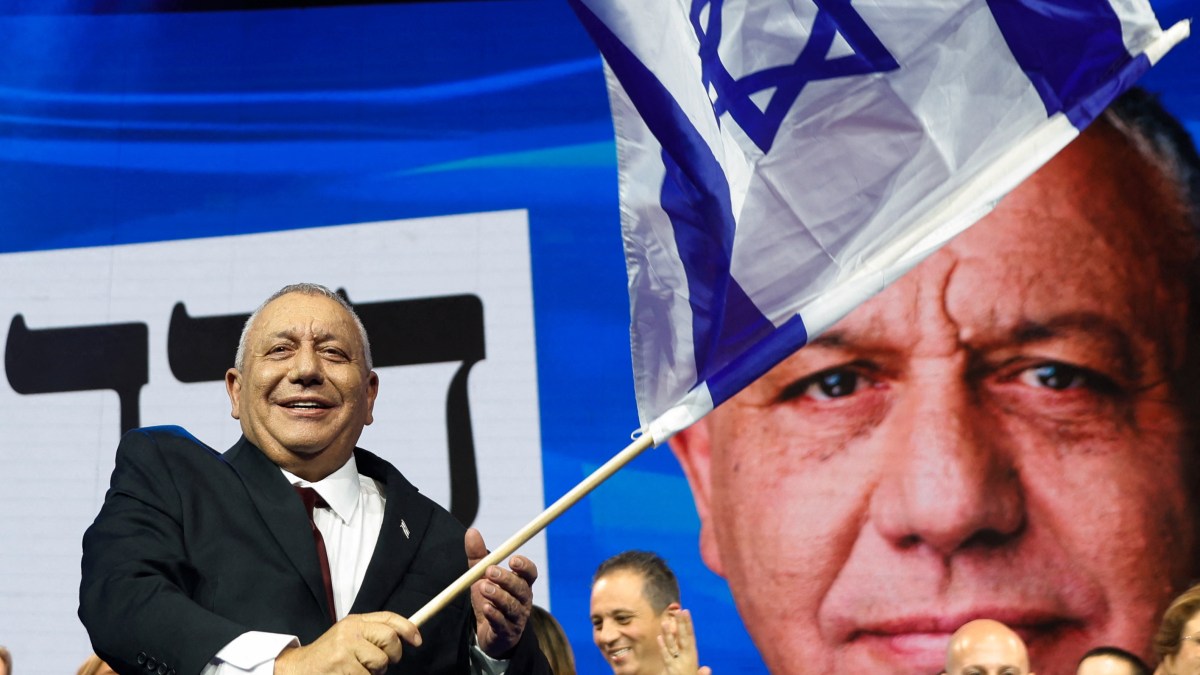
As Israel’s next government negotiations approach the December 6 deadline, caretaker Prime Minister Benjamin Netanyahu is believed to be exploiting divisions within the opposition ‘change’ alliance that seeks to oust him. On Wednesday, Netanyahu held an undeclared two‑and‑a‑half‑hour meeting with former Prime Minister Naftali Bennett, a leading figure in the bloc. Netanyahu’s office called the session a “security briefing,” while sources within the alliance described it as a “strategic disaster.” Bennett had not informed the bloc’s leader, Gadi Eisenkot, of the meeting, according to Ynet.
During a later gathering of opposition leaders, Bennett reportedly urged the group to consider a unity government with Netanyahu, a suggestion that has drawn criticism from other bloc members. Bennett, a right‑winger, is among several prominent opposition figures who have previously served in Netanyahu‑led governments. Eisenkot himself joined the emergency unity government after the October 7, 2023 Hamas attack, serving as a minister without portfolio and a war‑cabinet member. Avigdor Lieberman, another right‑wing member, served as Netanyahu’s foreign and defence minister.
A senior figure in the Eisenkot‑led alliance told Ynet that Netanyahu is trying to break up the bloc through Bennett, citing the many pledges by opposition leaders—including Bennett—to never serve in a Netanyahu‑led coalition again. Yet the alliance spans a wide ideological spectrum, from Lieberman’s hard‑right positions to Yair Golan’s relatively left‑wing platform, and many members have previously worked with Netanyahu, raising questions about the bloc’s cohesion.
Bennett was once among Netanyahu’s closest allies, serving in several of his governments before breaking with him in 2021 to form an alternative administration with centrist Yair Lapid. Bennett and Lapid’s coalition ended Netanyahu’s 12‑year tenure, with Bennett serving as prime minister for the first half of the term. Despite this history, Bennett still shares many policy positions with Netanyahu.
The bloc’s unity is challenged by ideological differences. All members supported Israel’s initial military actions in Gaza and attacks on regional states such as Iran and Lebanon. Domestically, however, the alliance is divided. Eisenkot and Lapid are viewed as centrist, while Bennett and Lieberman are firmly right‑wing, with differing views on religion: Bennett is a religious nationalist; Lieberman is a secular politician from Israel’s Russian‑speaking community. Yair Golan stands apart as a left‑wing figure who supports a two‑state solution and criticises settler violence in the occupied West Bank.
Eisenkot’s bloc holds 48 of the 120 seats in the Knesset, needing 13 more for a majority. Golan has met with leaders of parties representing Palestinian citizens of Israel and expressed enthusiasm for a government with their support, a proposal rejected by the rest of the bloc and provoking strong opposition, including threats of civil war from right‑wing protesters. Lieberman’s party, Yisrael Beytenu, holds seven seats and has strongly opposed any government dependent on Palestinian support. He has also softened his stance on the exemption of ultra‑Orthodox men from military service, a move that could undermine his electoral promises and provoke backlash.
The alliance’s internal tensions have surfaced publicly. In August, Bennett dismissed Eisenkot’s proposal for limited conscription exemptions for ultra‑Orthodox men as an “insane mistake,” warning that ultra‑Orthodox politicians Aryeh Deri and Moshe Gafni would “run circles around” him. Eisenkot responded by accusing Bennett and Lieberman of engaging in “old politics” and damaging the opposition’s electoral prospects by refusing to agree that the largest party in the alliance should lead the next government. Weeks before the election, Lieberman branded Eisenkot “Gantz 2.0,” accusing him of secretly pursuing a deal with Netanyahu and acting out of personal ambition. Golan told Lieberman after the election that if he continued to insist on a government that avoids conscripting ultra‑Orthodox men, he was “welcome to form one with Netanyahu.”
Earlier assessments of Netanyahu by opposition leaders were less hostile. In 2020, Bennett told reporters that he respected Netanyahu “very much,” noting that Israel had “won a victory” by having him in office for so long and that he had “done great things” for the country. Lieberman, in 2019, wished Netanyahu “only really good results” and hoped he would be acquitted on corruption charges, which he has since cited as evidence that the prime minister is unfit for office.
Frequently asked questions
What was the nature of Netanyahu's meeting with Naftali Bennett?
It was an undeclared 2½‑hour session called a "security briefing" by Netanyahu's office, described by alliance sources as a "strategic disaster."
How many seats does Gadi Eisenkot's bloc hold in the Knesset?
48 of the 120 seats.