World
Understanding Israel's Political Spectrum Ahead of October 27 Election
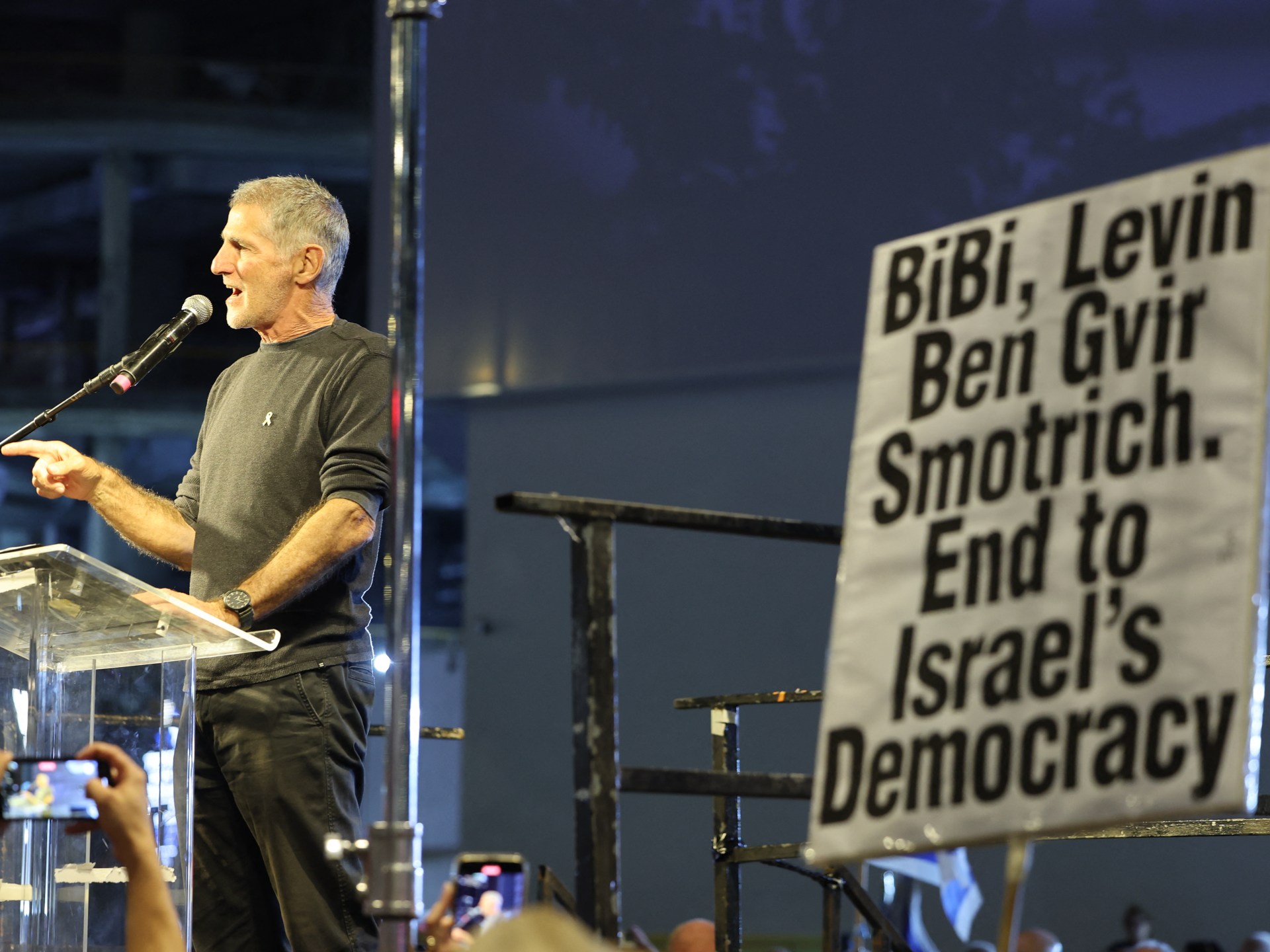
As Israel approaches its October 27 election, the terms "right" and "left" carry meanings distinct from their usage in Europe or the United States, where such labels typically organize around taxation, welfare and immigration debates. In Israel, the divide centers instead on Palestinian statehood, occupation, territory and Jewish sovereignty.
Historically, Israel's political divide had stronger economic roots. The left was linked to Labor Zionism and institutions like the Histadrut and kibbutz movement, favoring state-led development. The right, emerging from the Revisionist tradition and later organized around Likud, challenged Labor's dominance while emphasizing Jewish historical claims to the land and, eventually, more market-friendly policies.
That economic divide faded in importance after 1967 and especially after the 1990s Oslo Accords, when Israeli politics shifted toward questions about the territories and Palestinians living there. The left became associated with territorial compromise and negotiations, while the right opposed Palestinian statehood and supported settlement expansion, arguing withdrawal would create new security risks.
The second Intifada significantly weakened the left among Jewish voters, who increasingly viewed the violence as evidence that the Oslo Accords had failed. The 2005 Gaza withdrawal, followed by Hamas's takeover and subsequent conflicts, reinforced this view. The October 7, 2023 attacks accelerated this existing trend rather than starting it, further centering security and Jewish identity in political discourse.
Today, being "right-wing" in Israel primarily means taking a firm stance against Palestinian national claims and supporting strict security and territorial control, including rejection of Palestinian statehood or acceptance of only limited self-rule. West Bank settlements are increasingly viewed within this camp as either a security necessity or a national-religious project rather than a negotiable asset.
This right-wing camp is not uniformly conservative on economics—Likud presents itself as market-oriented but coexists with significant subsidies and public spending when politically useful. The camp is unified more by security and sovereignty concerns than economic ideology.
Likud remains the dominant party in this space, drawing secular, traditional and religious Jewish voters around nationalist and security-focused positions. Further right, parties like Religious Zionism and Otzma Yehudit combine nationalism with religious claims to the land, viewing settlement as fulfilling historical and religious destiny rather than mere strategy. These parties have also shown greater willingness to challenge the Supreme Court and legal establishment, fueling the pre-October 7 judicial reform debate that has since resurfaced amid other security concerns.
The Zionist centre and remaining Zionist left generally favor political settlement or separation from Palestinians and more strongly defend judicial independence and civil liberties. Figures like Benny Gantz and Gadi Eisenkot, both former senior military officers, support major military operations while positioning themselves as defenders of institutions and advocates of caution regarding annexation.
The Zionist left has significantly diminished from its Labor-era strength, struggling to convince voters that negotiations can ensure security. Though some Jewish Israelis still support ending the occupation and establishing a Palestinian state, this position has lost mainstream standing. The term "left" itself has become politically loaded in Israeli discourse, often implying weakness on security rather than describing specific policy positions.
A distinction exists between an economic left focused on housing, labor protections and reducing inequality, and a left defined by the Palestinian question—ending occupation, statehood and equal rights for Jewish and Arab citizens. These two strands are often conflated, contributing to how easily the "left" label gets used pejoratively.
Haredi parties like Shas and United Torah Judaism further complicate the spectrum. Though socially conservative, their economic positions favor public funding for religious institutions and welfare support rather than free-market policies. Their coalition alignment depends more on budgetary and religious autonomy concerns than fixed positions on Palestinian issues, though they have generally aligned with Netanyahu's bloc.
Parties representing Israel's Palestinian citizens occupy a separate political space entirely. Hadash combines socialist economics with Jewish-Arab partnership and anti-occupation stances. Ra'am, Islamist in origin, has pursued pragmatic coalition politics around civic and economic demands. Balad emphasizes Palestinian national identity and calls for redefining Israel as a state for all citizens. These parties don't fit neatly into the Zionist political spectrum despite sometimes being labeled "left."
While the upcoming election will still be framed as a right-versus-left contest, the more significant question may be how far Israel's political center has shifted rightward. Many assumptions once considered right-wing a generation ago—skepticism toward Palestinian statehood, tolerance for extended military control, and prioritizing Jewish sovereignty—now represent mainstream positions across much of Jewish Israeli politics.
Remaining disputes focus on questions like whether military control should be temporary or permanent, whether settlements represent strategy or mission, whether courts should check elected majorities, and whether Palestinians are seen as a population to manage or a nation with political rights. These disagreements will continue shaping coalitions, courts and policy, but increasingly occur within an already right-shifted political center, with much of the debate heading into this election taking place within the right itself.