India
Government to Scrutinize Bids 30% Below Estimated Cost to Protect Quality
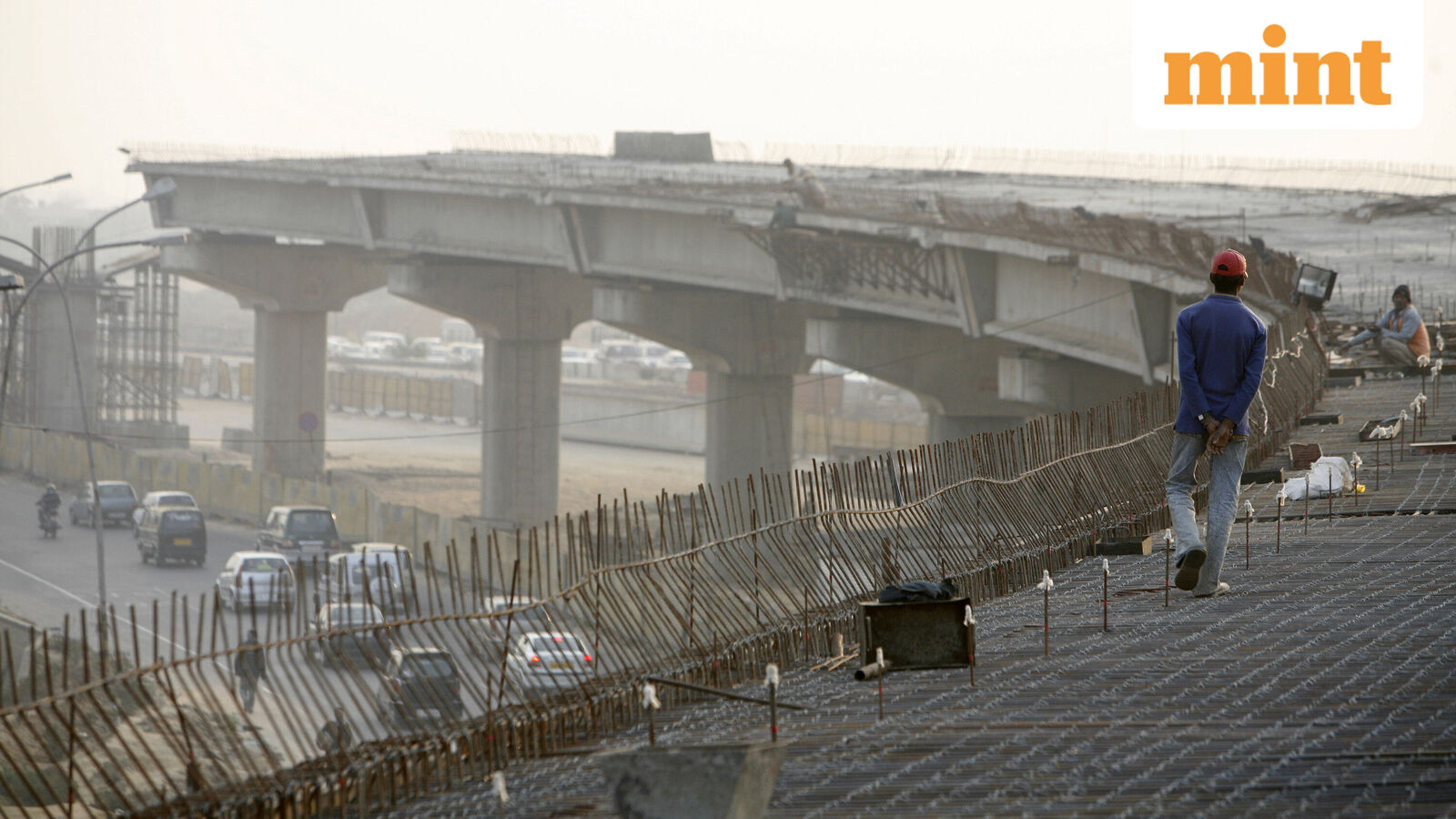
New Delhi – The government will soon tighten scrutiny of unusually low bids for public contracts to ensure that aggressive price competition does not compromise quality or timely delivery, two officials said. The new norms will apply to all procurement categories, from large infrastructure projects to office stationery and consultancy services. Bids quoting prices more than 30 % below the estimated contract cost will be flagged as potentially abnormally low bids (ALBs). Procuring entities will then require written explanations from bidders and will examine their cost calculations to assess whether they can execute the contract at the quoted price. If bidders fail to demonstrate their ability to complete the work at that price, the bids may be rejected.
The Department of Expenditure has asked all ministries and departments to address concerns over the quality of goods and services procured through tenders, where bidders may quote significantly lower prices to win contracts, potentially compromising quality during execution. The flagged bidders will face a closer examination of their cost calculations, technical capabilities and the ability to deliver the contracted work.
The move follows instances of bidders quoting unusually low prices to secure contracts and subsequently expressing their inability to complete projects on time or resorting to substandard materials to meet contract requirements. It will also help check inflated cost estimates while floating tenders. The new threshold does not mean such bids will be automatically rejected; procuring entities will assess the bidder’s explanation and supporting price analysis.
Under the standard two‑bid tendering procedure, scrutiny will typically take place at the financial bid evaluation stage. Technical and eligibility documents are examined first, and financial bids of only technically qualified bidders are opened subsequently. The 30 % threshold will apply to the quoted price of the technically qualified bidders and will not affect the initial technical evaluation.
Government procurement manuals earlier did not prescribe a threshold to flag abnormally low bids. The Department of Expenditure had maintained this position in a February 2020 office memorandum, stating that it would not be advisable to set a specific percentage below the estimated cost to classify a bid as abnormally low. Queries sent to the spokesperson of the Ministry of Finance remained unanswered.
Experts say the revised norms could help procurement agencies balance securing competitive prices with ensuring contractors have the capacity to deliver quality work without delays. "While competitive bidding is important to ensure value for public money, unusually low quotations need careful examination," said Harish Kumar Sharma, a retired Indian Supply Service officer. "A contractor may quote a lower price because of operational efficiencies or access to cheaper resources, but the procuring authority must ensure that the bidder has the technical capacity, financial strength and resources to complete the work within the stipulated cost and timeline without compromising quality."
The scrutiny comes amid concerns over the quality of public infrastructure, particularly when contractors quote steep discounts to win government projects. On 11 March, a Rajya Sabha lawmaker queried the government on bids for some National Highways Authority of India (NHAI) projects coming in at rates far below estimated costs, citing instances of quotes up to 48 % below estimates. In reply, the highways ministry said safeguards such as additional performance security, regular field inspections and independent quality audits were in place to prevent competitive bidding from affecting the quality of projects.
Government audit reports and court records have also flagged instances of steep discounts in public contracts across sectors. In a 2021 CAG audit of Delhi Metro Rail Corporation’s Phase III projects, three contracts were awarded at discounts of 24.4‑29 % against the estimated base cost, and the audit flagged the lack of adequate cost justifications. Earlier, a 2019 Patna High Court judgment noted that bids in Bharat Sanchar Nigam Ltd’s electrical and electromechanical maintenance contracts were quoted up to 58 % below the base estimates, questioning whether such steep discounts could compromise quality and directing the state‑owned operator to examine the matter.
Frequently asked questions
What threshold will flag a bid as abnormally low?
Bids quoting more than 30 % below the estimated contract cost will be flagged as potentially abnormally low bids.
What happens to bids flagged as abnormally low?
Procuring entities will require written explanations from bidders, examine cost calculations, and may reject bids if the bidder cannot demonstrate ability to complete the work at the quoted price.
Which procurement categories are affected by the new norms?
The new norms apply to all procurement categories, from large infrastructure projects to office stationery and consultancy services.