World
War‑Hit Sudan Leaves Disabled Children Without Education or Rehabilitation
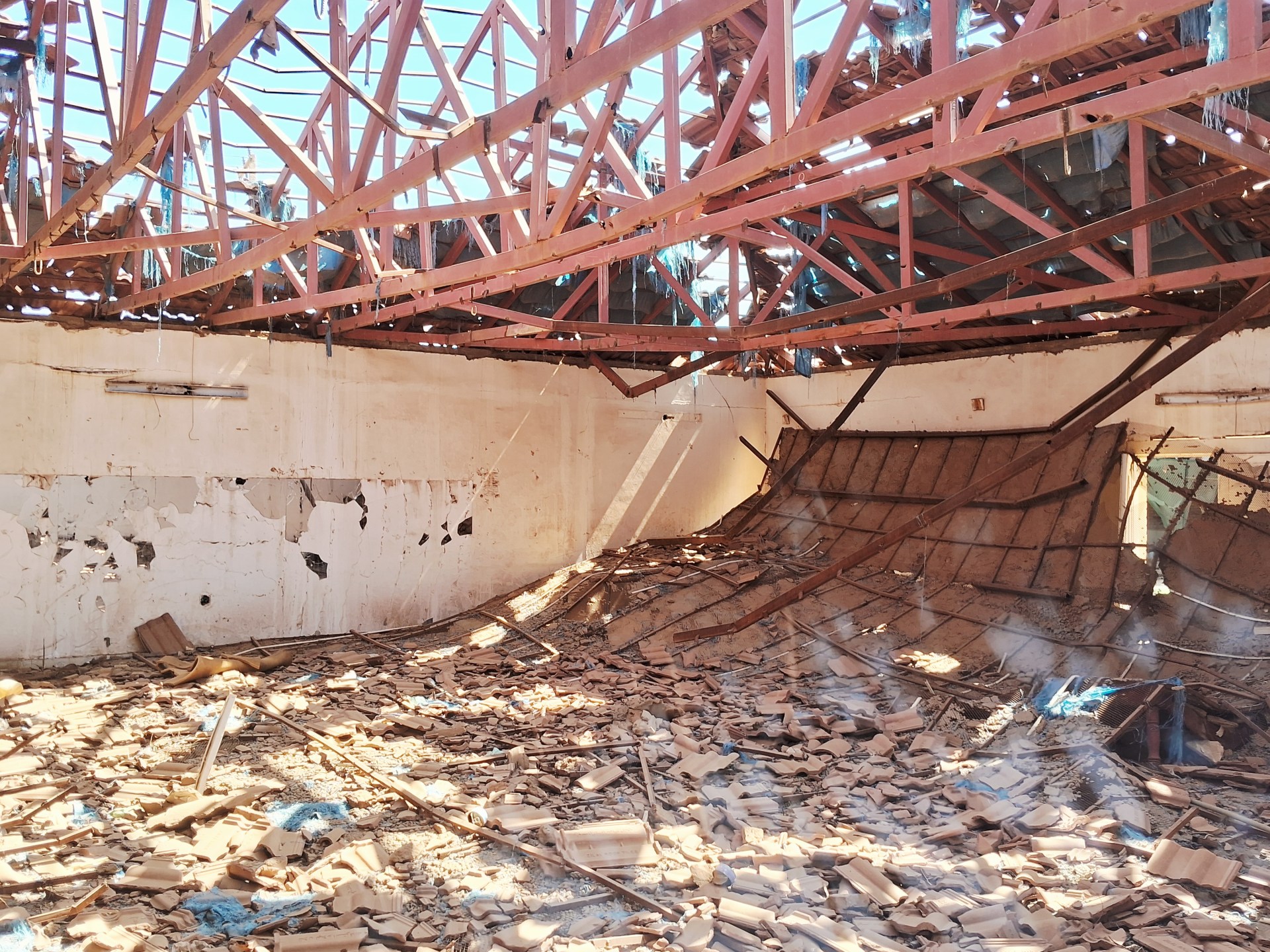
In Khartoum, Sudan, the ongoing conflict that began in April 2023 has forced schools and rehabilitation centres to close, cutting off access to education for children with disabilities. Four‑year‑old Muzan Abdelrahman, who has a hearing impairment, cannot attend a specialised school or receive the rehabilitation she needs. Her mother, Abeer Osman, told Al Jazeera that she tries to help at home but lacks the expertise and tools required. She worries that Muzan will miss critical years of learning how to communicate.
The problem is widespread. UNICEF reports that at least 8 million school‑age children in Sudan lack formal education, and about 30 percent of schools were non‑operational as of August, with roughly 1 percent used as shelters for displaced people. Children with disabilities are especially affected. Before the war, Sudan operated more than 230 schools for disabled children, but many have since closed, though the exact number is unknown.
Mohammed Ahmed, 14, who has a physical disability, struggles to reach classrooms because of inaccessible entrances and staircases. He expressed frustration that the school environment does not support his learning and that he wants a school where he can move independently.
Aisha Abbo, mother of eight‑year‑old Ali Hassan who has Down’s syndrome, recalled that Ali attended a government‑run school for disabled children before the war. The services, which helped develop academic, communication and social skills, were shut down, and private centres are too expensive for her family.
In Khartoum, the Usratuna Sudanese Association for Children with Disabilities has suffered shelling that damaged classrooms and equipment. Project manager Badr al‑Din Tawfiq said most rehabilitation and support services have stopped because of war damage, funding shortages, and unsafe premises. The association had registered more than 100 children for physiotherapy, speech therapy, behavioural support and vocational rehabilitation, but cannot provide the requested services.
The association’s inclusive kindergarten in Dar al‑Salam, Omdurman, remains open, but most other activities in Khartoum and branches in Zalingei and Blue Nile state have ceased.
Nagi Mansour, director‑general of the Sudanese Coalition for Education for All, noted that even before the war, children with disabilities faced poor infrastructure, a shortage of specialised schools and qualified teachers, and a lack of adapted curricula, Braille materials and sign‑language resources. The war has worsened these issues by destroying institutions, displacing families and depriving students of assistive devices.
Mansour called for a national survey to identify children who have dropped out and to assess their needs. He urged the rehabilitation of special education centres, the provision of appropriate educational materials, Braille resources, sign‑language interpreters and teacher training in inclusive education. He emphasised that children with disabilities have an inherent right to education and that rebuilding education in Sudan must be based on justice, equity and inclusive practices so that no child is left behind because of their needs or the circumstances of war and displacement.
Frequently asked questions
How many school‑age children in Sudan lack formal education according to UNICEF?
At least 8 million school‑age children in Sudan lack formal education.
What percentage of schools were non‑operational as of August?
About 30 percent of schools were non‑operational as of August.
How many children had been registered for physiotherapy, speech therapy, behavioural support and vocational rehabilitation by the Usratuna Sudanese Association?
The association had registered more than 100 children for these services.