Business & Finance
H‑1B Rejection Prompted Return to India, Sparked Snapdeal and Titan Capital
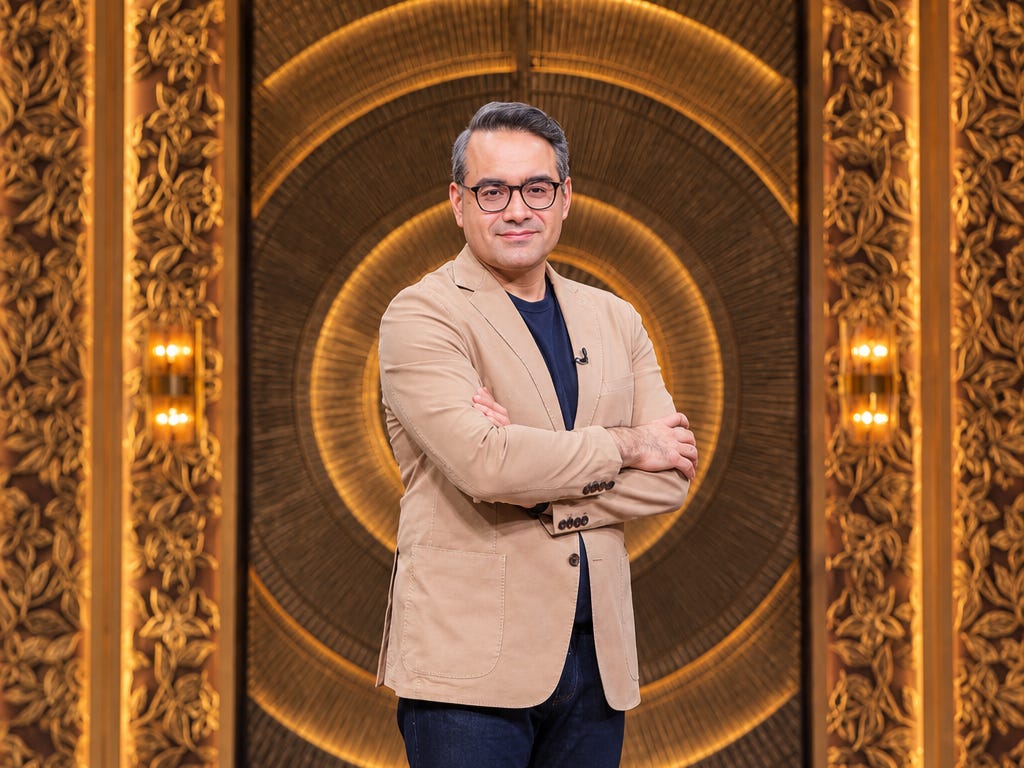
Kunal Bahl, 43, co‑founder of AceVector Limited and Titan Capital, explained how an H‑1B visa denial in 2007 forced him to return to India and launch a career that would later become a major e‑commerce and investment success. Bahl grew up in New Delhi and earned a combined engineering and business degree at the University of Pennsylvania. While in college, he interned at Microsoft and, after graduation in 2006, accepted a full‑time role there. In mid‑2007 he received an email that his H‑1B petition had been rejected. Microsoft advised him to work in the India office and try again after a year, but Bahl decided to return home and start his own company instead of waiting for another visa opportunity.
He contacted his high‑school friend Rohit Bansal, and the two incorporated their company on 12 September 2007, just before Bahl’s arrival in India. The startup began as a physical coupon book business, a niche that appealed to Indian consumers’ love of value. With about $60,000 of their own savings, they worked from a basement office in Delhi’s furniture market, often putting in 20‑hour days. The business eventually pivoted to an online couponing platform and then to one of India’s first e‑commerce sites, Snapdeal.
By 2011, after building capital, Bahl and Bansal launched Titan Capital, an early‑stage investment firm. Over the past fifteen years, Titan has invested in more than 320 startups, many of which have gone public. Bahl also serves as a judge on Shark Tank India.
He describes the H‑1B rejection as a “serendipitous” setback that ultimately allowed him to contribute to India’s growing startup ecosystem. Today, India boasts a billion internet users, widespread smartphone penetration, numerous coworking spaces, a dense talent pool, a robust funding environment, and strong government support for tech entrepreneurship. Bahl believes there is no better time to return to India than now.