World
South Korea Caught Between Washington and Tehran Over Strait of Hormuz Dispute
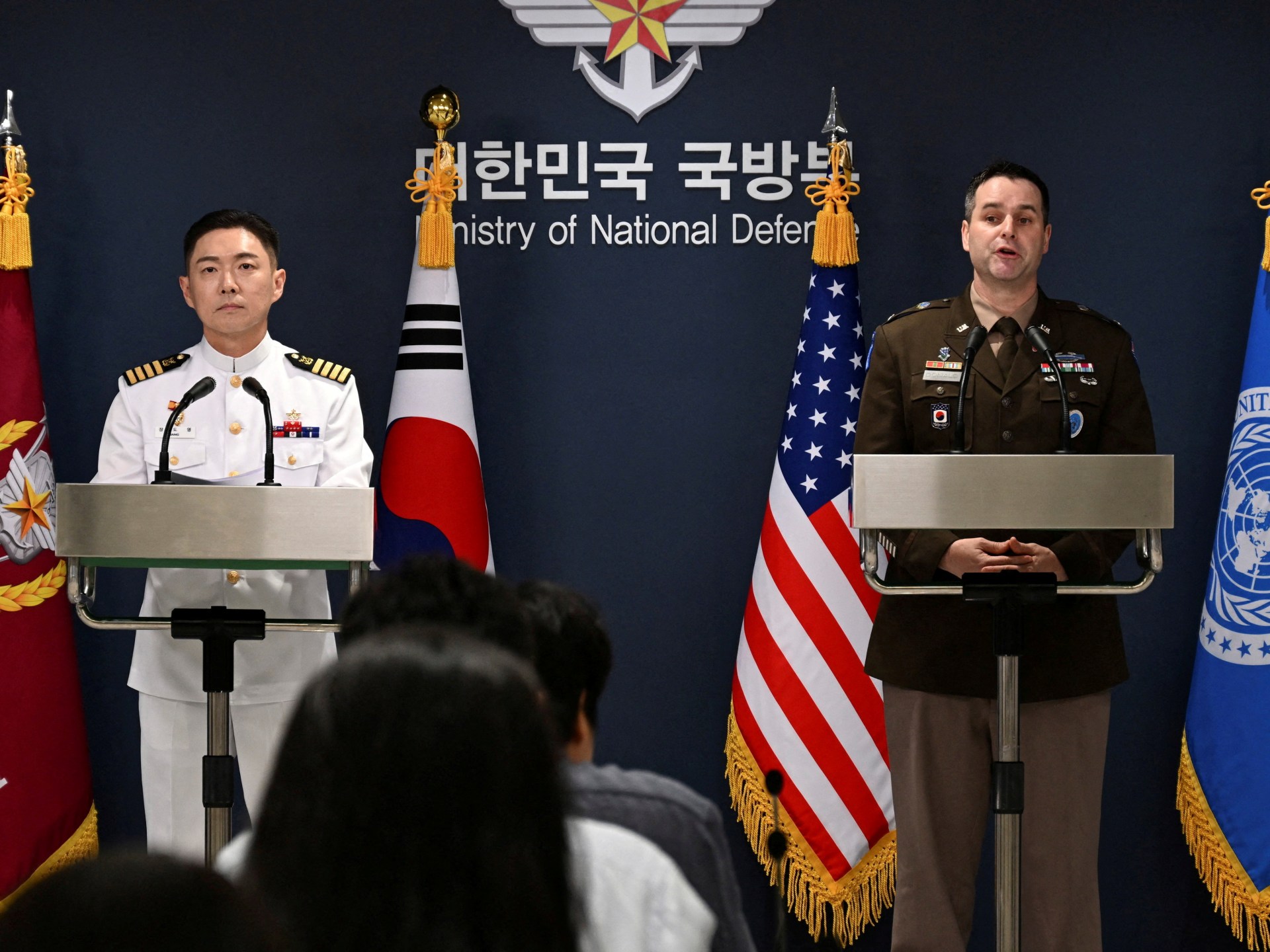
South Korea finds itself in a difficult diplomatic position as the United States pushes for its involvement in a naval blockade against Iran, while Tehran warns of consequences should Seoul participate.
Iran's Ministry of Foreign Affairs spokesman Esmaeil Baghaei issued a warning on X on Monday, stating that any South Korean military presence or participation in operations in the Gulf and Strait of Hormuz would be viewed as direct support for aggression against Iran and would carry serious consequences. Baghaei emphasized the 64-year diplomatic relationship between Iran and South Korea, but cautioned that joining US military actions during what he described as American aggression would jeopardize that friendship.
South Korea's Ministry of Foreign Affairs did not directly address Iran's warning but stated it was in communication with the international community regarding the situation in the strategic waterway.
The pressure on Seoul began in mid-August when President Donald Trump revealed he had asked South Korean President Lee Jae Myung during a May 17 phone call for assistance in the conflict with Iran. When South Korea declined, Trump responded by announcing on August 16 a significant reduction in the annual Ulchi Freedom Shield military exercises with South Korea, cutting them from the usual 11 days to five, with the announcement coming just one evening before they were set to begin. Trump characterized the drills as costly and provocative toward North Korean leader Kim Jong Un.
South Korean Foreign Minister Cho Hyun told parliament that the US provided no advance warning of this change. Trump also questioned South Korea's reluctance to assist, given the presence of thousands of US troops stationed in the country. Additionally, a separate September military exercise was cancelled, though South Korea's military said it received notice of this back in June, with Washington citing the Iran conflict as the reason.
President Lee, who favors a more measured defense approach, has pursued negotiations rather than confrontation. According to Yonhap news agency, a South Korean presidential official indicated Friday that Seoul might consider contributing military support to international efforts aimed at securing safe passage through the strait, provided this doesn't compromise the country's own defense capabilities. Options under consideration include potential cooperation with France, the United Kingdom, and other allies on noncombat missions and search-and-rescue operations. South Korea's military has begun evaluating available resources, including maritime patrol aircraft, explosive ordnance disposal units, and unmanned mine detection systems.
This potential deployment faces domestic opposition, with pushback from opposition lawmakers and some members of Lee's own Democratic Party, alongside public protests against the US-Israel military action against Iran.
The US-South Korea alliance dates back to the 1950 Korean War, when Washington backed Seoul against North Korea. Approximately 29,000 US troops remain permanently stationed in South Korea under a longstanding treaty, with South Korea reciprocating by supporting various US military campaigns, including the Iraq War, and holding status as a major non-NATO ally.
Relations have faced strain this year following a 25 percent US tariff on South Korean goods, which Seoul negotiated down to 15 percent rather than retaliating. Tensions also arose after Immigration and Customs Enforcement raids at a Hyundai plant in Georgia in September 2025 resulted in the arrest of hundreds of South Korean workers. Despite these frictions, Trump made a state visit to Seoul last October, and President Lee visited Washington earlier this year. Lee has also been working to facilitate renewed dialogue between the US and North Korea.
The conflict is creating economic pressure on South Korea, which depends on Gulf supplies transported through the Strait of Hormuz for 60 to 70 percent of its crude oil imports. The disruption has contributed to rising inflation and pushed the Korean won to a 17-year low, giving Seoul strong incentive to support efforts to keep the strait open.
Any military deployment would require parliamentary approval under South Korean law, and some members of the ruling party may oppose such action.