Technology
Apple Set to Unveil First Foldable iPhone in Landmark Launch Under New CEO John Ternus
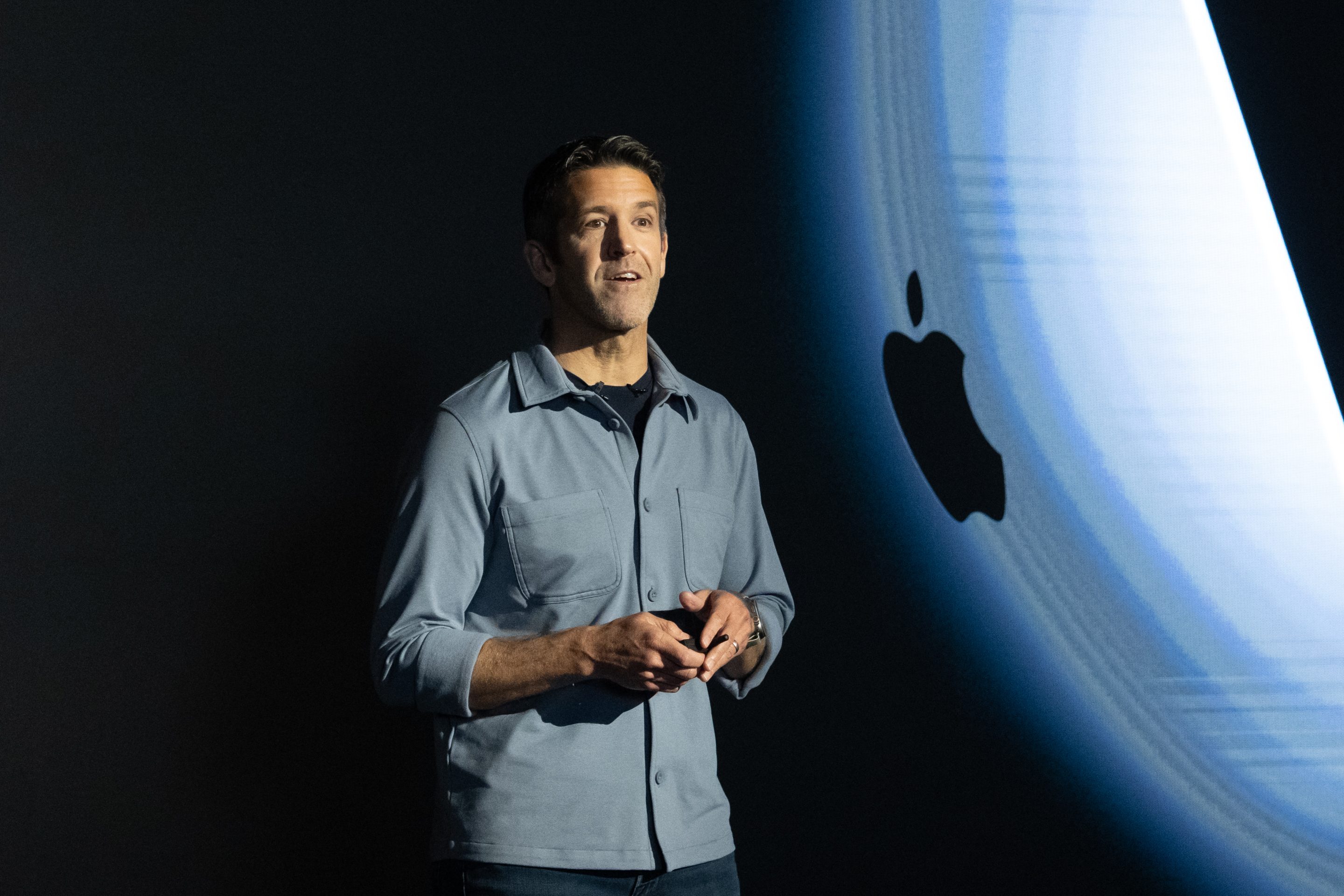
Apple is preparing to hold one of its most anticipated product events in years at the Steve Jobs Theater on its Cupertino, California campus, where the company is expected to unveil its first foldable iPhone alongside a lineup of other hardware updates. The event marks the first major product launch overseen by new CEO John Ternus, who officially took over the role on September 1.
Along with the foldable device, Apple is expected to introduce iPhone 18 Pro models, the Apple Watch Series 12, AirPods 5, and possible updates to its MacBook and home product lines. The company may also share additional details about its upgraded Siri assistant, which relies partly on Google technology and has been undergoing beta testing among users.
The foldable iPhone is expected to be priced around $2,000 for its base model, positioning it as a competitor to Samsung's Galaxy Z Fold8, which starts at $1,899.99, and the Galaxy Z Fold8 Ultra, priced from $2,099.99. Analysts say the launch could represent a major shift for Apple, which has largely refined its traditional iPhone design in recent years rather than introducing a new form factor.
Michael Gartenberg, an analyst and former Apple marketing employee, said the company's recent product events have followed a repetitive pattern, but this one offers something genuinely new. "Everyone, whether you're the kid at home saving their money for a new iPhone, or an analyst on Wall Street, will pay close attention to everything that Ternus says and does," Gartenberg said.
Apple's standard iPhone 18 model is not expected to launch until spring 2027, according to a note from Bank of America analysts, marking a departure from the company's usual simultaneous release schedule. Analysts noted this split launch could affect average selling prices and may cause price-sensitive customers to delay purchases until the lower-cost models arrive.
The pricing changes come amid a broader increase in Apple's product costs, driven by a shortage of memory chips linked to surging demand for AI computing resources. The company raised prices across its Mac, iPad, and home device lines by 15% to 33% and increased monthly subscription fees by $2 — a situation former CEO Tim Cook described as a "100-year-flood" event. In July, Apple issued a weaker-than-expected revenue forecast for its fiscal fourth quarter, citing supply-chain constraints.
Investors are also watching Apple's progress on artificial intelligence, particularly the rollout of its updated Siri assistant this fall. The new version is designed to understand data across multiple apps, respond to on-screen content, and perform tasks autonomously within apps. Apple has emphasized a strategy of processing much of this AI functionality directly on devices rather than through cloud computing.
Ternus, 51, is known within Apple as a detail-oriented product engineer with deep knowledge of the company's hardware history. He has played a key role in developing several of Apple's most successful products. In a note to employees on his first day as CEO, he wrote that he was "so excited about everything we have in store," adding that he was equally enthusiastic about future innovations, including "incredible products already in the works and the ones we haven't even imagined yet."
Ternus steps into his new role as Apple works to strengthen its position in artificial intelligence, an area where competitors such as Google and OpenAI have taken the lead. OpenAI, which has not yet released a hardware product, is reportedly collaborating with former Apple design chief Jony Ive.
The iPhone remains central to Apple's business, accounting for roughly half of the company's total revenue. Analysts and former employees have expressed hope that Ternus, given his engineering background, can help restore some of the innovative spirit Apple has been perceived to lose in recent years. However, experts note that major hardware changes typically take years to develop, meaning any shift in direction under Ternus is likely to unfold gradually.
Still, Gartenberg and other analysts believe Wednesday's event could mark the beginning of that transformation, particularly with Apple teasing "surprise and shine" elements — a likely reference to the specialized hinge mechanism expected to power its new foldable device.