Entertainment
Nolan’s ‘The Odyssey’ Storm Sequence Filmed with Real‑World Effects
By Jazz Tangcay
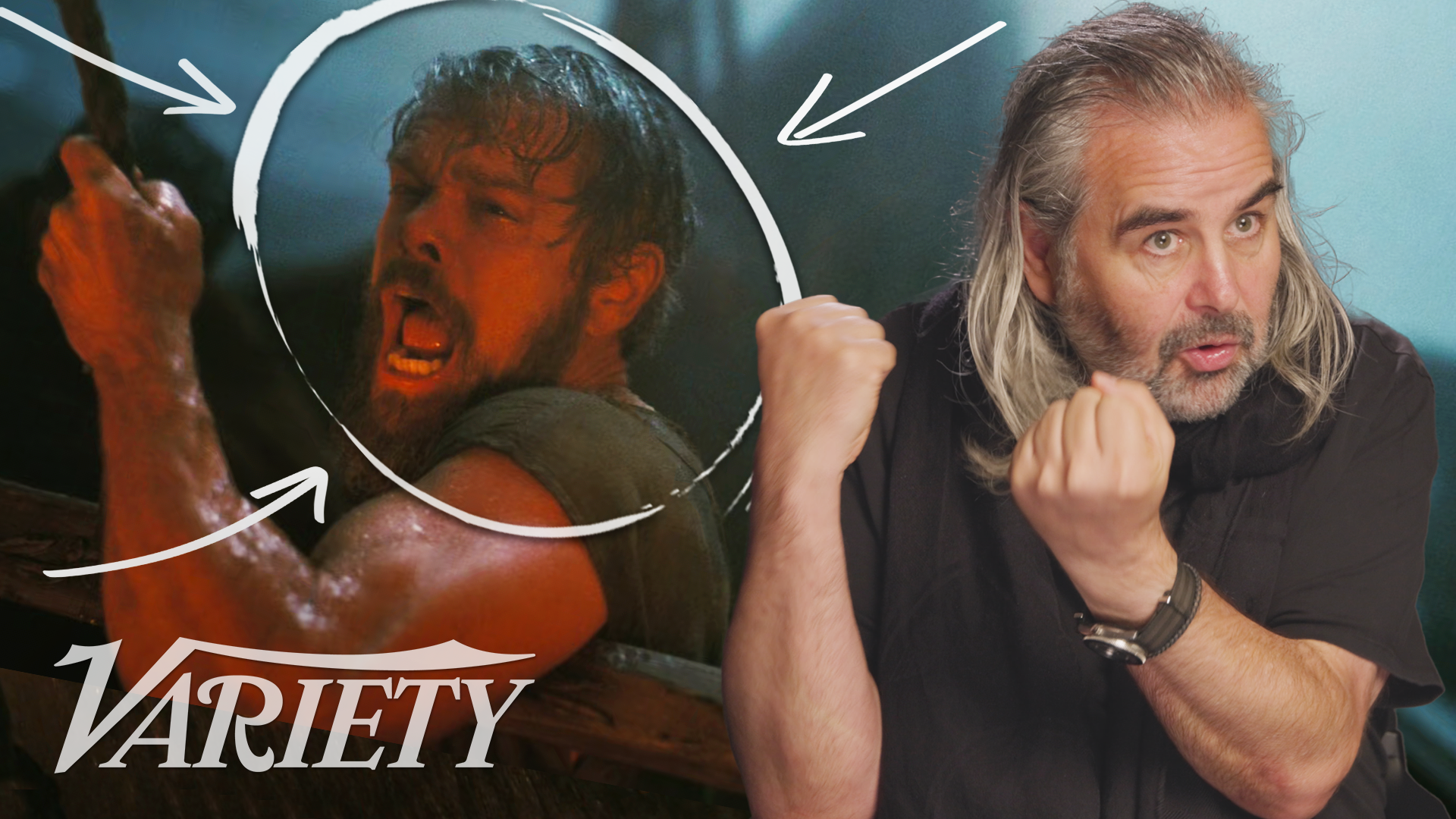
Christopher Nolan wanted audiences to experience “The Odyssey” on the largest screen possible, so he shot the film practically. One of the toughest scenes was the final storm, where Matt Damon’s Odysseus confronts Poseidon and Zeus, losing all his men after a final insult to the gods. Cinematographer Hoyte van Hoytema explained that much of the film was shot on the open ocean, with Nolan, the cast and crew spending four months capturing the harsh journey amid crashing waves. The climactic storm was filmed in Los Angeles, and Nolan spared no expense, relying on traditional filmmaking rather than heavy CGI.
Van Hoytema described the challenge: “How to replicate something and make it feel visceral and real? How can we do that and avoid a huge amount of CG?” Two decommissioned jet engines served as wind machines, and chief lighting technician Adam Chambers built light boxes to emulate thunder and lightning. The boat was mounted on a gimbal while an IMAX camera recorded the action. “It was like shooting a real storm, just under safety supervision,” he said. The team used 60 × 30‑foot overhead lighting rigs on cranes above the ship to create flashes that moved from behind to the front, mimicking a thunderstorm at sea.
Van Hoytema also considered the lighting: “If you’re out at sea at night 2,000 years ago, without electricity, and you end up in a thunderstorm, what would that feel like? If you can see everything around you, that’s going to look fake.” The crew aimed to keep the scene grounded and experiential, avoiding a CGI storm.
Framing Odysseus was difficult. The IMAX camera was wired to the gimbal and the crew had to keep the actor in frame while jet engines roared and water splashed. Van Hoytema said, “I was just trying to identify if it was even Matt Damon in the shot. It was extremely visceral, and it’s almost hard to grasp.” Each take was an event, with the camera rolling as the jet engines produced a roar like fighter jets.
During the shoot, the crew encountered unexpected wildlife: a pod of bottlenose dolphins appeared while the weather was violent and many crew members were seasick. Van Hoytema noted that the dolphins symbolized the crew’s acceptance of the reality of the weather they faced.
The storm sequence showcases Nolan’s commitment to practical effects and the IMAX format to immerse viewers in the film’s epic climax.
Frequently asked questions
Where was the storm sequence of "The Odyssey" filmed?
In Los Angeles, using practical effects.
What practical effects were used to create the storm?
Decommissioned jet engines served as wind machines, light boxes emulated thunder and lightning, and overhead lighting rigs on cranes produced flashes.
Did the crew encounter any wildlife during filming?
Yes, a pod of bottlenose dolphins appeared during the shoot.