Cyber Awareness
JPMorgan, Visa, Mastercard Report Vendor‑Related Data Breaches, No Payment Systems Affected
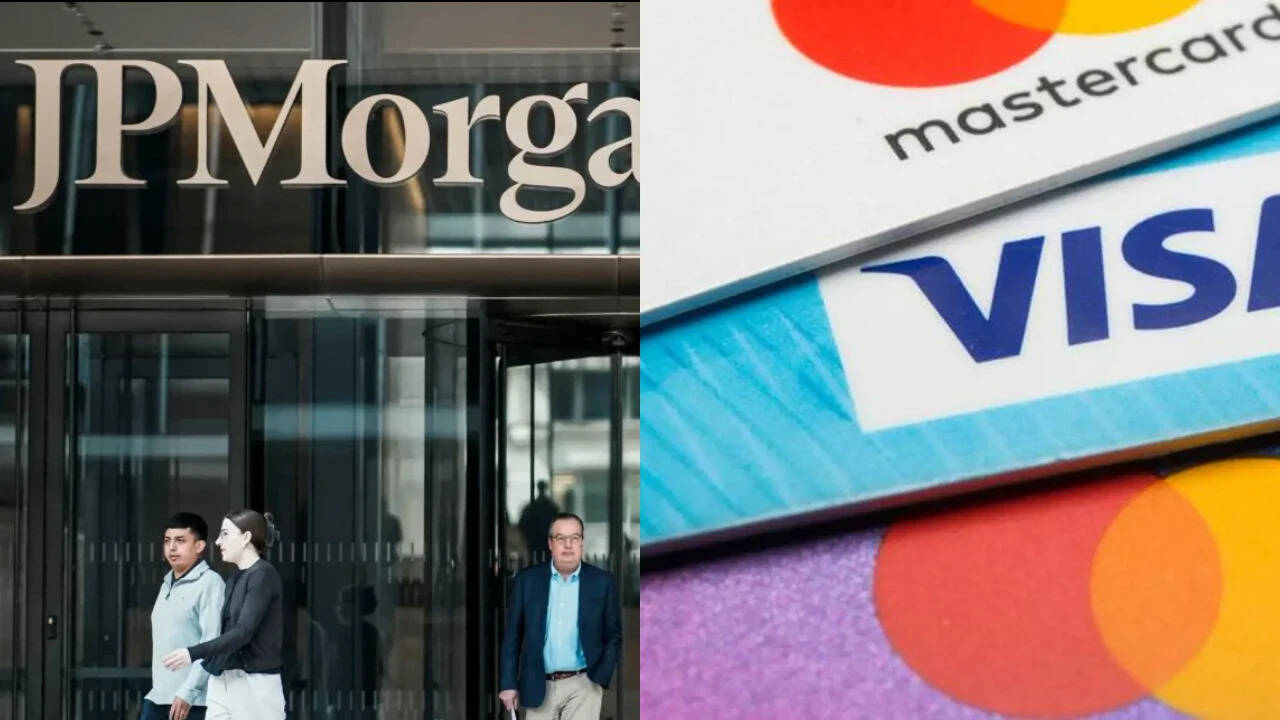
JPMorgan Chase, Visa and Mastercard have each announced separate cyber incidents involving third‑party service providers, exposing customer information such as email addresses, phone numbers and postal codes. The breaches did not affect the companies’ payment systems or card payment data.
JPMorgan said attackers targeted vendors that provide services to the bank and accessed marketing data held by those vendors, which may include some customer names and email addresses. The bank is investigating the incident and will contact affected customers directly. It did not disclose how many customers were impacted, but the Associated Press estimates the exposed data involves only a small fraction of Chase’s tens of millions of customers.
The disclosure follows claims by the cyber‑extortion group “n0n,” which on November 16 said it had obtained card‑member engagement records from JPMorgan. A Reuters review of the group’s posted data found more than 16,000 customer email addresses, some phone numbers and postal codes, and 124 bank employee email addresses.
JPMorgan clarified that the attack was unrelated to a software bug that earlier this week caused transaction‑processing disruptions at the bank and other institutions.
Visa confirmed a breach at a third‑party service provider in the Asia‑Pacific region. A spokesperson said Visa’s systems were not involved, no payment data such as card numbers were affected, and customers could continue to use their cards.
Mastercard reported a third‑party breach that exposed a limited number of email addresses belonging to cardholders enrolled in a specific benefits programme. The information was described as non‑payment data, and Mastercard said its payment network was unaffected. A spokesperson said the exposure has been contained and the company is working with the provider to support impacted cardholders.
Data posted by the group included purported Visa customer records across several Asia‑Pacific markets—Hong Kong, Taiwan, Japan, Singapore and Australia—and Mastercard material that appeared to contain marketing data for customers in North America, the Middle East and Africa.
The incidents have raised questions about how much customer information financial firms share with external vendors and how closely they monitor those providers’ security. Consulting firm SolomonEdwards’ Carissa Robb noted that customers do not distinguish between a bank and a vendor in a cyberattack, highlighting reputational risk and the need for greater scrutiny of vendor data sharing.
The JPMorgan disclosure comes amid a series of technology disruptions affecting businesses and infrastructure providers. Earlier this week, the bank’s transaction‑processing problems prompted inquiries from U.S. banking regulators, who sought to assess the impact and determine whether the incident was cyber‑related.
Frequently asked questions
Did the breaches compromise payment card data?
No, the breaches did not affect the companies’ payment systems or card payment data.
What customer data was exposed in the breaches?
Customer email addresses, phone numbers, postal codes, and limited marketing data were exposed.