India
India Empanels Qualified Auditors to Boost Highway Safety Checks
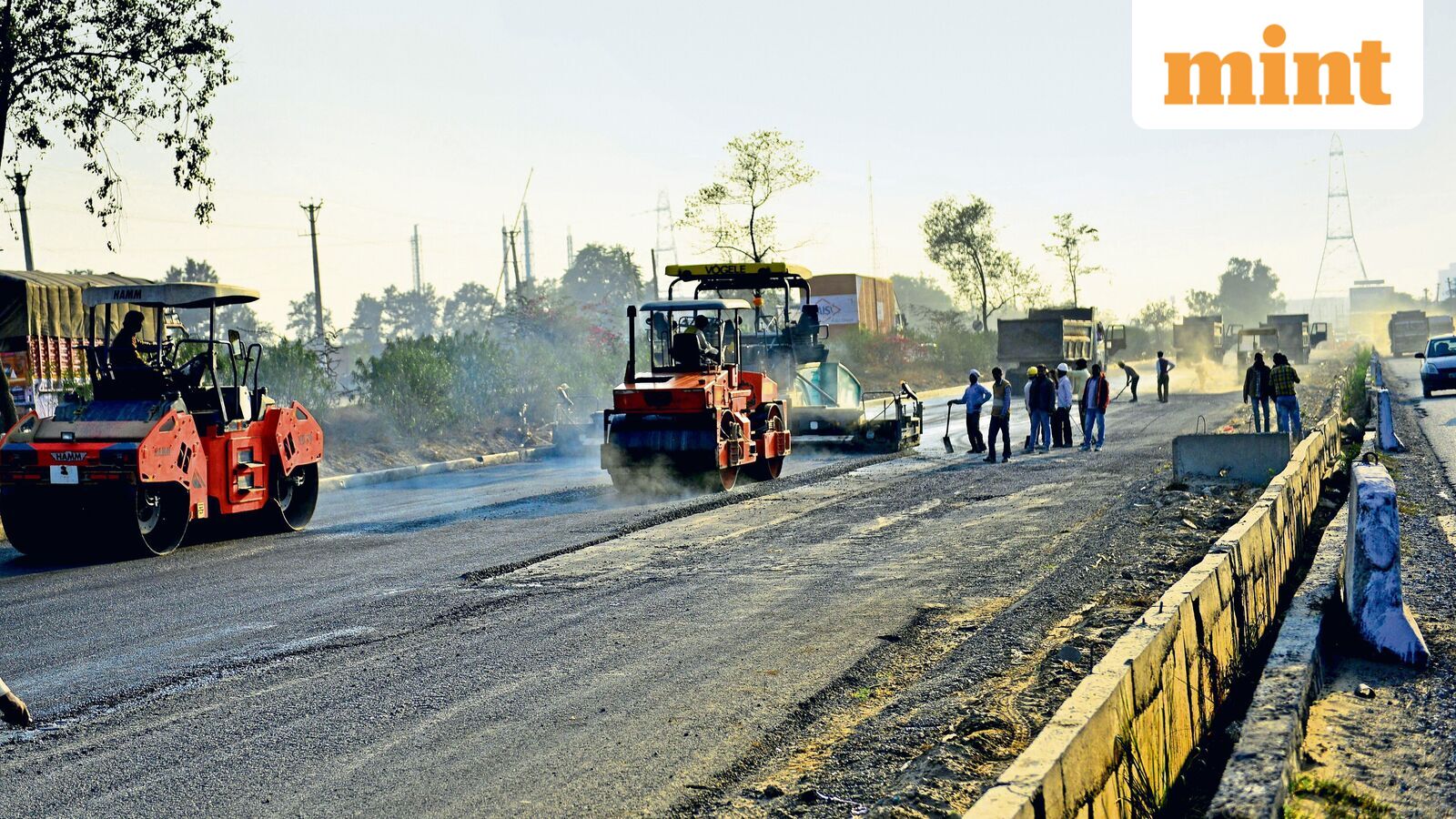
The government will create a large panel of independent road safety auditors to evaluate and approve safety aspects of highway projects, including bridges, tunnels and other road infrastructure. The move aims to improve construction quality and safety in a country where nearly 500,000 road accidents occur each year, causing almost 180,000 deaths. Under the initiative, the Ministry of Road Transport and Highways (MoRTH) will empanel a pool of qualified road safety auditors from which highway developers and concessionaires must select professionals to assess their projects. This replaces the current practice of allowing developers to hire safety auditors from the open market, ensuring that those conducting safety assessments have been vetted for their qualifications and technical competence.
MoRTH has already empanelled 17 large road safety auditors and firms and 84 smaller auditors, with plans to expand the pool further to ensure nationwide availability. The objective is to create a common pool or register of qualified professionals that can be accessed by implementing agencies and developers to meet statutory requirements for independent safety audits.
The initiative seeks to strengthen the existing road safety audit framework prescribed by the Indian Roads Congress (IRC), which provides for safety assessments at different stages of a project, from preliminary and detailed design to construction, pre‑opening and existing roads. MoRTH has made third‑party road safety audits mandatory for National Highway projects at the design, construction, operation and maintenance stages. The IRC’s framework also provides for a national register of road safety auditors.
The move is expected to address concerns over auditor independence when developers themselves select professionals to examine their projects. The ministry‑approved panel is intended to bring greater consistency, accountability and technical scrutiny to safety certification. Bhavik Vora, partner at Grant Thornton Bharat, said the empanelment framework should clearly define asset‑specific qualifications for roads, bridges and tunnels, independence and conflict‑of‑interest requirements, the stages at which audits are mandatory, procedures for recording and closing observations, a clearly defined escalation matrix for resolving disagreements between the project team and the auditor, and clearly defined accountability for addressing audit findings.
The framework will be particularly important for complex infrastructure projects such as tunnels and bridges, where assessments require specialised expertise in structural integrity, foundation conditions, geological risks, drainage, slope stability, visibility and emergency response arrangements. Sanjay Kumar Sinha, founder and managing director of Chaitanya Projects Consultancy, said independent evaluations could help identify engineering and design deficiencies before they develop into larger safety concerns. Tunnel assessments should cover ventilation, fire protection, emergency exits and evacuation arrangements, while bridge audits should examine structural and foundation safety.
The effectiveness of the initiative would depend on auditors’ technical competence, independence and timely implementation of their recommendations by project authorities and contractors. India’s road accident record underscores the urgency: the road ministry’s latest comprehensive annual report shows 487,707 road accidents in 2024, claiming 177,175 lives. National Highways accounted for 150,958 accidents and 64,772 deaths, or 36.6% of all road fatalities, despite constituting only about 2% of the country’s road network.
Accident‑prone stretches, commonly referred to as black spots, remain another major concern. The ministry informed Parliament in March 2026 that 16,542 black spots had been identified on National Highways. Short‑term corrective measures had been completed at 14,138 locations, while permanent rectification had been completed at 6,649 locations. These locations require interventions ranging from improved signage, road markings and crash barriers to redesigned junctions and improved road geometry. Poor construction quality, inadequate drainage, defective crash barriers, unsafe median openings and inadequate signage can also expose commuters to serious risks, making independent scrutiny during construction and before opening particularly important.
Raghav Madan, partner at Deloitte India, described the move as a positive development, reflecting the government’s intention to incorporate road safety into infrastructure planning. He said roads, bridges and tunnels built by the government today are much safer than many old roads, and independent safety audits of such projects would make the infrastructure projects even better.
However, Madan cautioned that safer infrastructure alone would not eliminate accidents without improvements in driver behaviour. Wrong‑side driving, over‑speeding and violations of traffic rules continue to endanger highway users, requiring stronger enforcement alongside engineering interventions.
Piyush Tewari, founder and chief executive of SaveLIFE Foundation, said the initiative would be meaningful only if auditors had the authority to withhold safety clearance until critical deficiencies were rectified. He stressed that auditors must be free from conflicts of interest with project designers and contractors, with their findings and corrective actions transparently tracked. The ultimate measure of success, he said, should be fewer deaths and serious injuries on audited stretches.
Frequently asked questions
How many road safety auditors has MoRTH empanelled?
MoRTH has empanelled 17 large road safety auditors and 84 smaller auditors.
What is the main goal of the new empanelment initiative?
To create a common pool of qualified auditors for independent safety checks on highways, bridges, tunnels, improving construction quality and safety.
How many road accidents were reported in 2024?
The ministry’s report shows 487,707 road accidents and 177,175 deaths in 2024.