World
Islamabad May Get Its Own Local Tax Under Autonomy Plan, IMF Talks Loom
By Web Desk
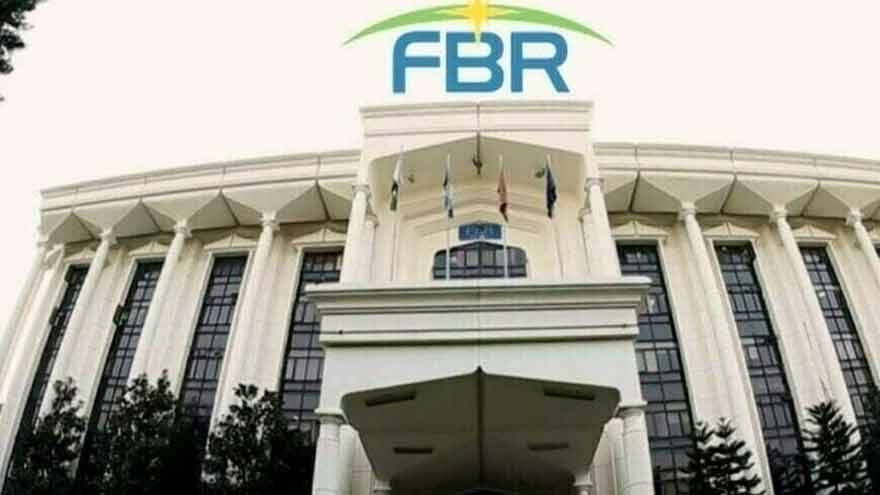
The federal government is weighing a new local tax for Islamabad that would help fund essential services and administrative operations should the capital be granted autonomous status, according to sources familiar with the matter.
Under initial proposals, revenue collected from the levy would go toward basic public services such as hospitals, schools, colleges and other educational institutions, along with welfare initiatives and the city's administrative framework. The exact amount the tax could generate has not yet been determined by officials.
The proposal is expected to be raised during Pakistan's upcoming economic review with the International Monetary Fund, and authorities are considering incorporating it into next fiscal year's budget. Sources indicated the measure is intended to give Islamabad greater fiscal flexibility as it grapples with expanding infrastructure and service demands.
The Federal Board of Revenue is set to draft the initial taxation proposals, which will then be reviewed by a subcommittee formed to evaluate tax requirements tied to Islamabad's potential autonomous status. Once the subcommittee signs off, the proposals will go to a committee chaired by the federal planning minister. If that committee approves them, the plan will be sent to Prime Minister Shehbaz Sharif for consideration before being finalized through consultation with the IMF.
This development precedes discussions on the fifth review of Pakistan's Extended Fund Facility program with the IMF, a key milestone expected to feature in the next round of negotiations. The Ministry of Finance has already directed relevant ministries and government bodies to compile data and reports needed for the review.
During the talks, Pakistani officials plan to update the IMF on progress regarding structural benchmarks and reform commitments, with energy-sector reforms expected to be a major focus. Discussions will also address circular debt targets in the electricity and gas sectors.
A successful review could pave the way for the next disbursement under Pakistan's IMF program. Sources estimate the fifth tranche at roughly $1 billion, with an additional $200 million potentially available for climate-related losses—bringing the possible total to around $1.2 billion.
The proposed tax structure for Islamabad is also part of a broader strategy for managing locally generated revenue and resource distribution. This roadmap, according to sources, includes building the necessary administrative infrastructure, improving financial coordination, and incorporating IMF recommendations to strengthen the tax system's effectiveness.