India
Energy Leaders Push for Lower Battery Import Duties and Distribution Network Support in FY28 Budget
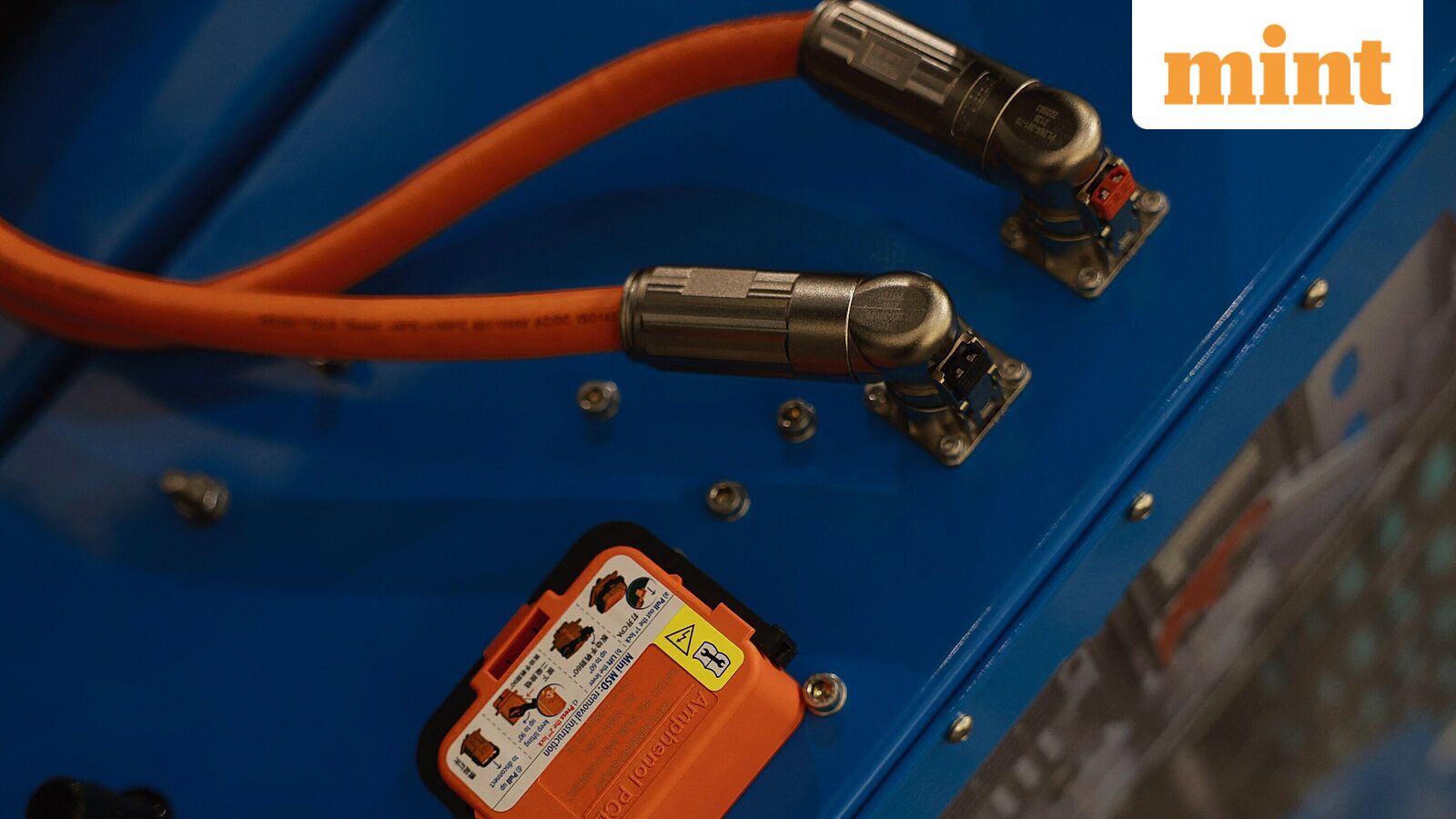
Energy sector officials have asked the finance ministry to reduce import duties on battery energy storage systems (BESS) and to provide measures that strengthen power distribution networks in the Union budget for fiscal year 2028 (FY28). The requests were made during pre‑budget consultations between Finance Minister Nirmala Sitharaman and representatives of the energy and infrastructure sectors. The meeting also included officials from the ministries of new and renewable energy, and road transport and highways. Sitharaman is scheduled to present the Union budget for the next fiscal year on 1 February 2027.
Alok Kumar, director general of the All India Discoms Association (AIDA), said: "One of our key recommendations was to take measures to improve power reliability and encourage investment in distribution networks. Timely payment of subsidies to discoms by state governments should also be ensured. Another key recommendation was to lower import duties on battery storage and reduce the goods and services tax (GST) to about 5% or zero." Batteries currently attract a 20% basic customs duty and an 18% GST on BESS. The import duty cut on batteries has been sought for the period until domestic manufacturing capacity comes up, said Kumar, a former power secretary.
The power and renewable energy industries have been seeking tax rationalisation across the green energy sector. In a letter to the ministry of new and renewable energy in October, the National Solar Energy Federation of India (NSEFI) called for the inverted tax structure on graphite anode used in batteries to be corrected. Currently, the basic customs duty (BCD) on key raw materials used to make graphite anodes is as high as 10%, compared with 2.5% on the finished product. NSEFI recommended removing the inversion by either raising the BCD on finished graphite anodes to 10% or reducing the duty on key raw materials to 2.5%. According to the industry body, the inverted duty structure raises production costs, erodes margins and makes imports cheaper than domestic production.
Frequently asked questions
What import duties do battery energy storage systems currently face in India?
Batteries currently attract a 20% basic customs duty and an 18% GST on BESS.
What changes are energy leaders proposing for battery import duties?
They propose lowering import duties on battery storage and reducing GST to about 5% or zero.
What issue does NSEFI highlight regarding graphite anode taxes?
NSEFI notes an inverted tax structure where the basic customs duty on raw materials is 10% versus 2.5% on finished graphite anodes, raising production costs.