World
Putin Urges Investment to Make Russia’s Arctic Route Year‑Round
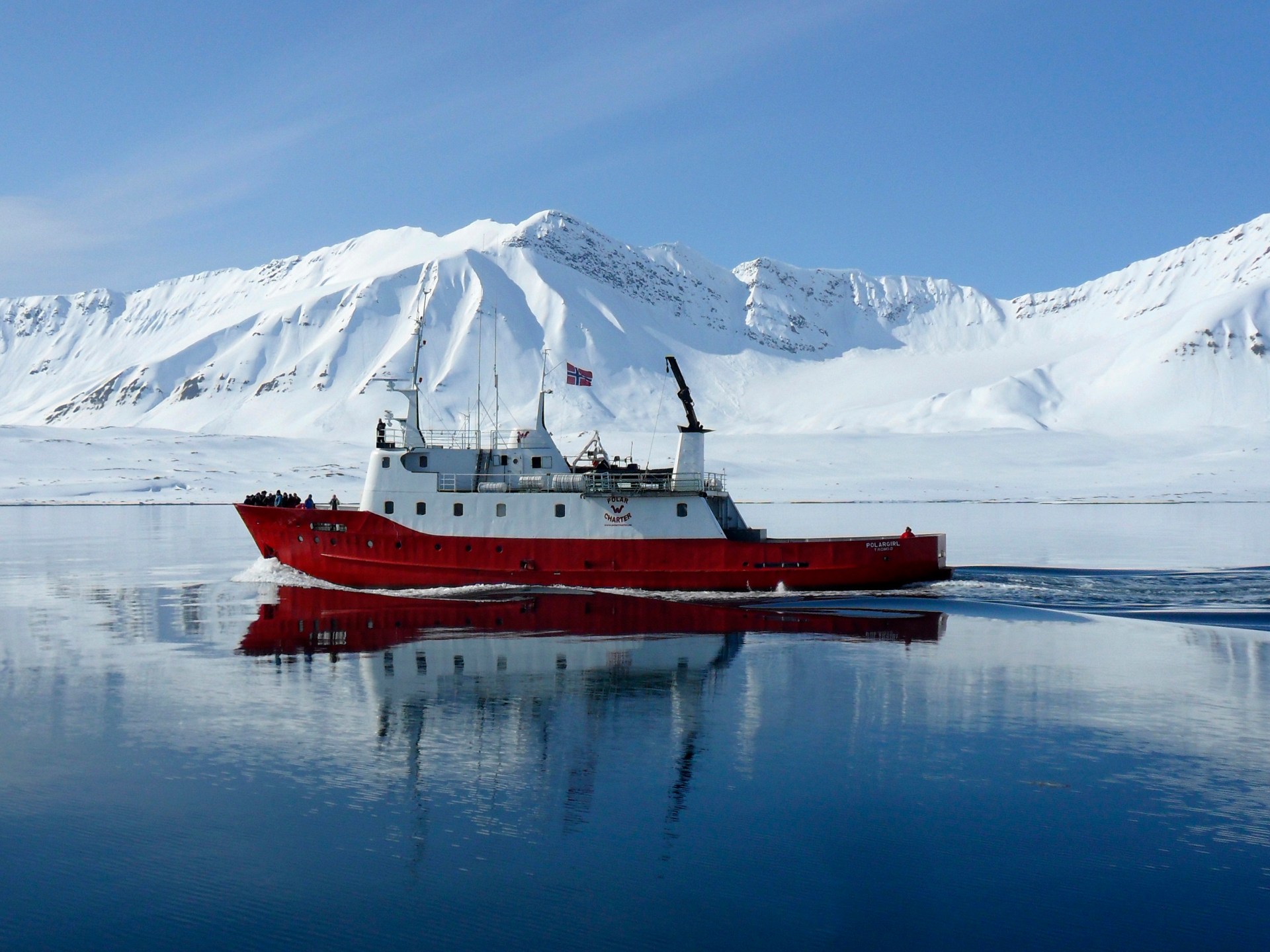
Russian President Vladimir Putin used his speech at the Asia‑Pacific Economic Cooperation (APEC) summit in Shenzhen, China, to call for investment in the country’s Arctic regions and to push for year‑round navigation on the Northern Sea Route (NSR), which is currently limited to the summer months. "I am confident that the business community and investors from APEC economies will fully appreciate the opportunities emerging in the Russian market – and, naturally, will take advantage of them," Putin said on Wednesday, according to Russian media. The package he proposed includes tax breaks on profits, property and land, reduced payroll contributions and preferential leases.
Putin’s APEC remarks follow his September comments at the Eastern Economic Forum in Vladivostok, where he also outlined plans to make the NSR year‑round and to introduce new measures to expand transport, energy and technological infrastructure. Russia has been developing the Arctic shipping corridor that connects its northern ports to the Pacific. However, turning the NSR into a major global trade artery raises geopolitical, security and environmental concerns.
The Arctic shipping lane stretches about 5,600 km (3,480 miles) along Russia’s northern coast, from the Novaya Zemlya archipelago in the west to the Bering Strait in the east. It is only navigable for a few weeks each year when the ice melts during summer. A more reliable Arctic route could ease global trade, which is currently hampered by the Middle East crisis that has paralysed critical waterways such as the Bab al‑Mandeb strait and the Strait of Hormuz.
China announced its own new Arctic shipping route in August, dubbed the "Ice Silk Road", which also uses Russia’s NSR. Climate change has contributed to major melting in the Arctic, making the route more navigable for longer stretches of the year. NASA reported that this year the Arctic sea‑ice extent reached its lowest level on satellite record.
Experts say the region remains largely impervious to large‑scale commercial traffic. Andrey Todorov, a researcher at the Netherlands Institute for the Law of the Sea, told Al Jazeera that harsh climate, low visibility, short windows of navigation opportunities and drifting ice will remain serious obstacles. He added that any serious consideration of shipping through the NSR will require investment in ice‑capable vessels, experienced crews and operators, and that the route will likely remain "very niche and limited", serving mainly Russia’s goal of transporting mineral resources to the world market.
Ksenia Vakhrusheva, Arctic project adviser at the Bellona Environmental Transparency Center, said Putin has been seeking Chinese investment because Moscow lacks the financial resources to carry the project through. European sanctions on Russia’s energy sector have made it more urgent for Moscow to ship oil and gas to Asian markets through alternative lanes, as Russian and Ukrainian forces target cargo ships in the Black Sea. Vakhrusheva noted that turning the NSR into a global maritime trade route does not appear realistic, as "everyone understands that route is under full control of Russia" and other players, including China, do not want to be dependent on a single country.
Pavel Devyatkin, senior associate at The Arctic Institute, said he is confident that Asia‑Pacific partners such as China, Japan and South Korea would take up Putin’s call to increase participation and further route development. He acknowledged real concerns, including limited search‑and‑rescue capacity, environmental risks from heavier traffic and the danger of the Arctic being drawn into geopolitical confrontation.
From an environmental perspective, more shipping could increase black‑carbon emissions and exacerbate climate change, pollution and biodiversity loss in the fragile Arctic. A 2024 review by the Ocean & Coastal Management journal found negative impacts on water bodies, air emissions and wildlife. The melting ice is also exposing a new geopolitical fault line. Much of the NSR runs through Russia’s economic zone, where it regulates navigation. Russia and China are strengthening cooperation to develop the route, while the United States has repeatedly said that Washington must take over Greenland to prevent Moscow and Beijing from dominating the Arctic. In September, the US, Denmark and Greenland signed a deal on the sidelines of the United Nations General Assembly in New York, granting Washington a greater military presence on the continent‑sized Arctic island. Trump’s repeated threats to take over the Danish territory in the lead‑up to that have strained US relations with European allies.
Frequently asked questions
What route is Putin trying to make year‑round?
The Northern Sea Route (NSR) along Russia’s Arctic coast.
What incentives did Putin propose for investors?
Tax breaks on profits, property and land, reduced payroll contributions, and preferential leases.
How long is the Arctic shipping lane?
About 5,600 km (3,480 miles).