World
Iran's Drug Supply Crumbles Under US Sanctions and War Damage
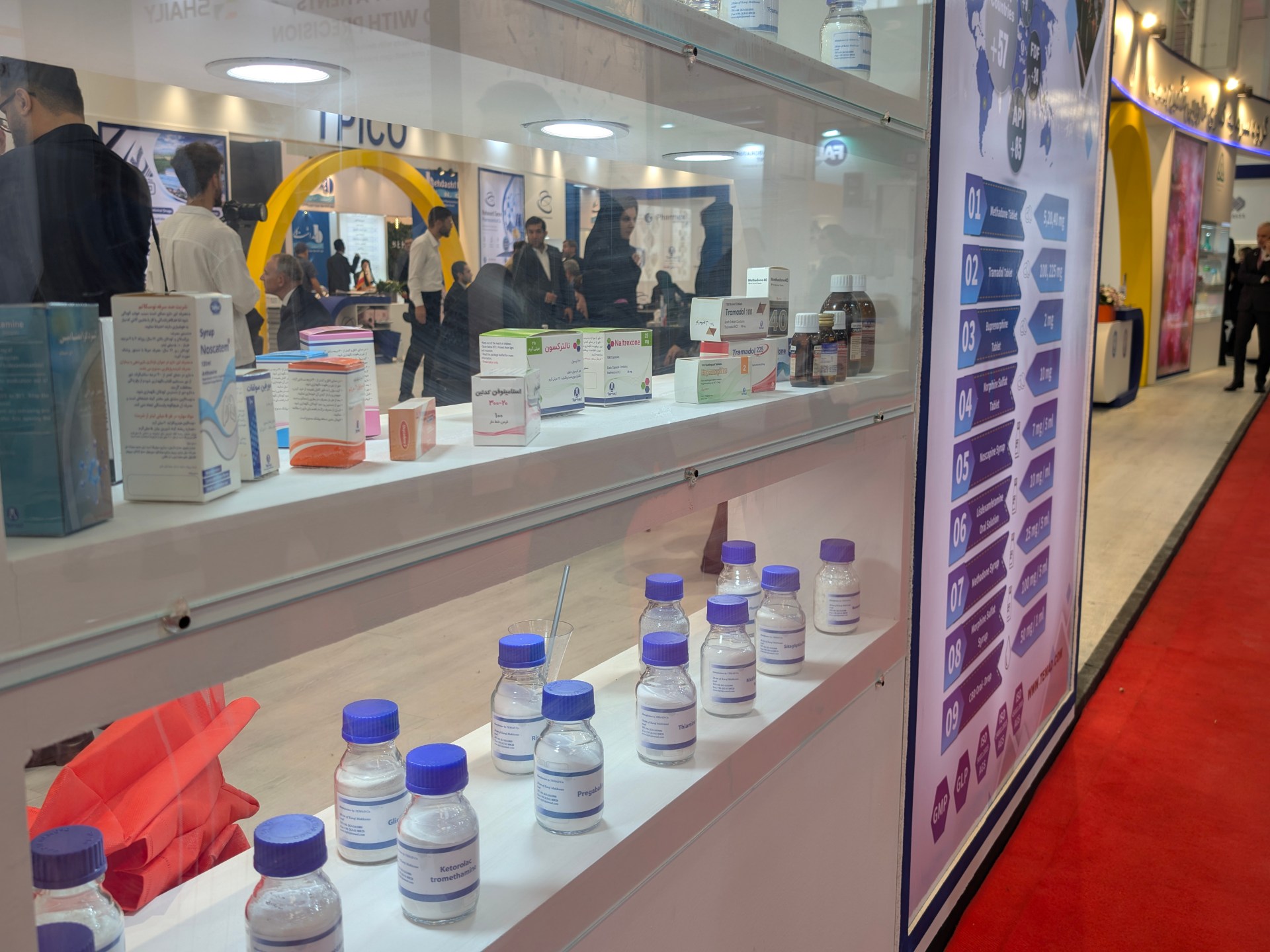
Tehran residents are facing an escalating shortage of essential medicines as US sanctions, a naval blockade, and lingering damage from the recent war with Israel strain Iran's pharmaceutical sector.
Farah, a 59-year-old Tehran resident, said she was forced to switch from a Swiss-made autoimmune medication to a domestic version due to cost and availability, but now fears even the Iranian-made drug could soon become scarce. "You might not find the foreign-made version later, and you can't keep switching because they don't have the same quality and effectiveness," she told Al Jazeera.
According to Hadi Ahmadi, spokesman for the Iranian Pharmacists Association, roughly 800 pharmaceutical products are currently in short supply across the country, including 90 considered essential or life-saving. Of these, 400 are manufactured domestically.
Prices for common medications have also spiked sharply. The state-run Mehr News Agency reported that gabapentin, used for epilepsy and nerve pain, has risen 220 percent over the past year. Acetaminophen prices are up 375 percent, amoxicillin 285 percent, and the antidepressant fluoxetine 100 percent. Insulin now costs up to six times more than a year ago. These increases mirror a broader inflation crisis in Iran, where food prices have climbed more than 123 percent year-on-year as of August.
Iran has long sought self-sufficiency in pharmaceutical production, but continues to depend on imports for key ingredients and specialized equipment. US sanctions have disrupted the financial and logistical channels needed for these imports, raising costs despite humanitarian exemptions.
The situation worsened after the US and Israel's military campaign against Iran, which began in February and damaged or destroyed 44 pharmaceutical and medical equipment companies, according to Iranian officials, who reported 50 industry workers killed or injured in the process.
Among the companies hit was Tofigh Daru, owned by Iran's largest pension fund. Maryam Farahani, the firm's sales director, told Al Jazeera that Israeli strikes destroyed all of its research and production lines, including those making anticancer drugs and other specialized treatments. "Our target audience are predominantly cancer patients and people with chronic diseases," she said, adding that some products the company made were exclusive to it.
Farahani said the company has since rented alternate production facilities to maintain minimal output, though the naval blockade and sanctions continue to raise import costs by restricting shipping through the Strait of Hormuz and disrupting other transport routes. She estimated that rebuilding destroyed infrastructure, including lost databases and specialized equipment accumulated over 26 years, would take at least two years and cost tens of millions of dollars.
The Israeli military said in March it targeted Tofigh Daru because the company allegedly supplied fentanyl to SPND, a defense research body it accused of using the drug in chemical weapons research. Tofigh Daru denied this, stating it only produced small quantities of fentanyl citrate for legitimate medical purposes such as surgical anesthesia. Farahani noted the company also produced glatiramer acetate, a multiple sclerosis treatment whose original version, Copaxone, was developed by Israeli company Teva.
Despite the mounting difficulties, Iranian officials have downplayed the severity of the crisis. Mahdi Pirsalehi, head of Iran's Food and Drug Administration, said at a pharmaceutical exhibition in Tehran that shortages this year were fewer than last, though he provided no supporting data. He accused adversaries of exaggerating Iran's difficulties through media coverage. Two companies affected by the strikes, including Tofigh Daru, participated in the exhibition alongside a small number of Chinese firms.
However, medical professionals in Tehran remain concerned. A gastroenterologist and university professor, speaking anonymously, described the price increases as "staggering" and said they have become unaffordable for many vulnerable citizens. She attributed part of the crisis to the government's phased removal of subsidized currency for medical imports and to unpaid debts—estimated at 8 quadrillion rials ($3.56bn)—owed by insurers to pharmacies.
She also raised alarm over reports that imports of the rotavirus vaccine have been halted due to the blockade, with influenza vaccine imports potentially next, calling it a serious threat to disease prevention efforts. She warned that rising poverty, inflation, and limited access to food are increasing the risk of malnutrition among vulnerable groups such as infants, children, and pregnant women, which in turn heightens the risk of both communicable and non-communicable diseases.