Business & Finance
Financial Trouble Looms for Major Retailers and Brands Heading Into 2026
A number of well-known American companies are facing serious financial pressure as 2026 approaches, with several already undergoing bankruptcy, restructuring, or ownership changes due to inflation, shifting consumer habits, and mounting debt.
iRobot, maker of the Roomba vacuum, filed for Chapter 11 bankruptcy protection in late 2025 following years of falling demand, stiff competition from cheaper robot vacuum brands, and a failed acquisition attempt. The company's restructuring plan took effect in January 2026, with Picea acquiring full ownership of iRobot's equity.
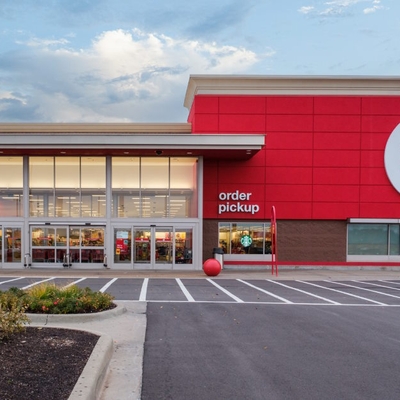
Target has seen several quarters of weak sales growth as inflation-conscious consumers pull back on non-essential purchases. Inventory management problems and competition from Walmart and other retailers have pressured profits, prompting the company to reconsider its pricing and merchandising approach.
Claire's, the teen accessories retailer, filed for bankruptcy in August 2025 amid declining mall traffic and rising lease costs. Ames Watson later acquired the company in a deal worth nearly $140 million, covering as many as 950 stores. A bankruptcy court confirmed Claire's Chapter 11 plan and issued a final decree closing certain proceedings, though its recovery remains uncertain.
Family Dollar was sold for just over $1 billion to Brigade Capital Management and Macellum Capital Management after closing hundreds of stores under previous owner Dollar Tree due to declining sales.
Porsche reported that restructuring costs tied to product realignment and U.S. tariffs are pressuring earnings. The company's group operating profit dropped sharply from 5.64 billion euros to 413 million euros in 2025, according to a company release.
REI Co-op announced in January 2025 that it would close its Experiences division amid weakening sales, leading to 428 job cuts as the company works toward profitability.
Walgreens posted a net loss of $8.6 billion in 2024, nearly triple the previous year's loss, according to the Advisory Board. In August 2025, private equity firm Sycamore Partners acquired the pharmacy chain for approximately $10 billion, ending its long run as a public company. Walgreens plans to close dozens of stores in 2026 amid ongoing reimbursement pressures and theft-related losses.
GameStop reported fiscal year 2025 net profit of $418.4 million, up sharply from $131.3 million the prior year, largely due to investment gains including Bitcoin holdings. However, annual revenue fell to $3.63 billion from $3.82 billion, reflecting continued weakness in core sales.
Forever 21 closed all of its U.S. physical stores after filing for bankruptcy a second time, though the brand intends to continue operating online following years of declining mall traffic and fast-fashion competition.
7-Eleven's U.S. operations have experienced falling foot traffic and revenue, with hundreds of store closures and franchisee disputes over the past two years.
Torrid, a plus-size fashion retailer, announced plans in 2025 to close about 180 stores, roughly 30% of its physical locations, after reporting declining sales. The company is treating 2026 as a turnaround year.
Foot Locker has reported net losses and falling sales in recent quarters, with plans to close underperforming stores amid weaker sneaker demand and reduced mall traffic. The retailer was acquired by Dick's Sporting Goods in September 2025 as competition from direct-to-consumer brands continues to erode profits.
Procter & Gamble, despite being a major consumer goods company, announced plans to cut up to 7,000 jobs as part of a broader restructuring following more than a year of declining sales, citing pressure from tariffs and rising global costs.
Consumers are encouraged to stay flexible with their spending and monitor these developments, as continued closures and restructurings could affect where and how they shop in the coming year.