Politics
Congressional Group Urges $25 Minimum Wage and Abolishes Tipped Wage
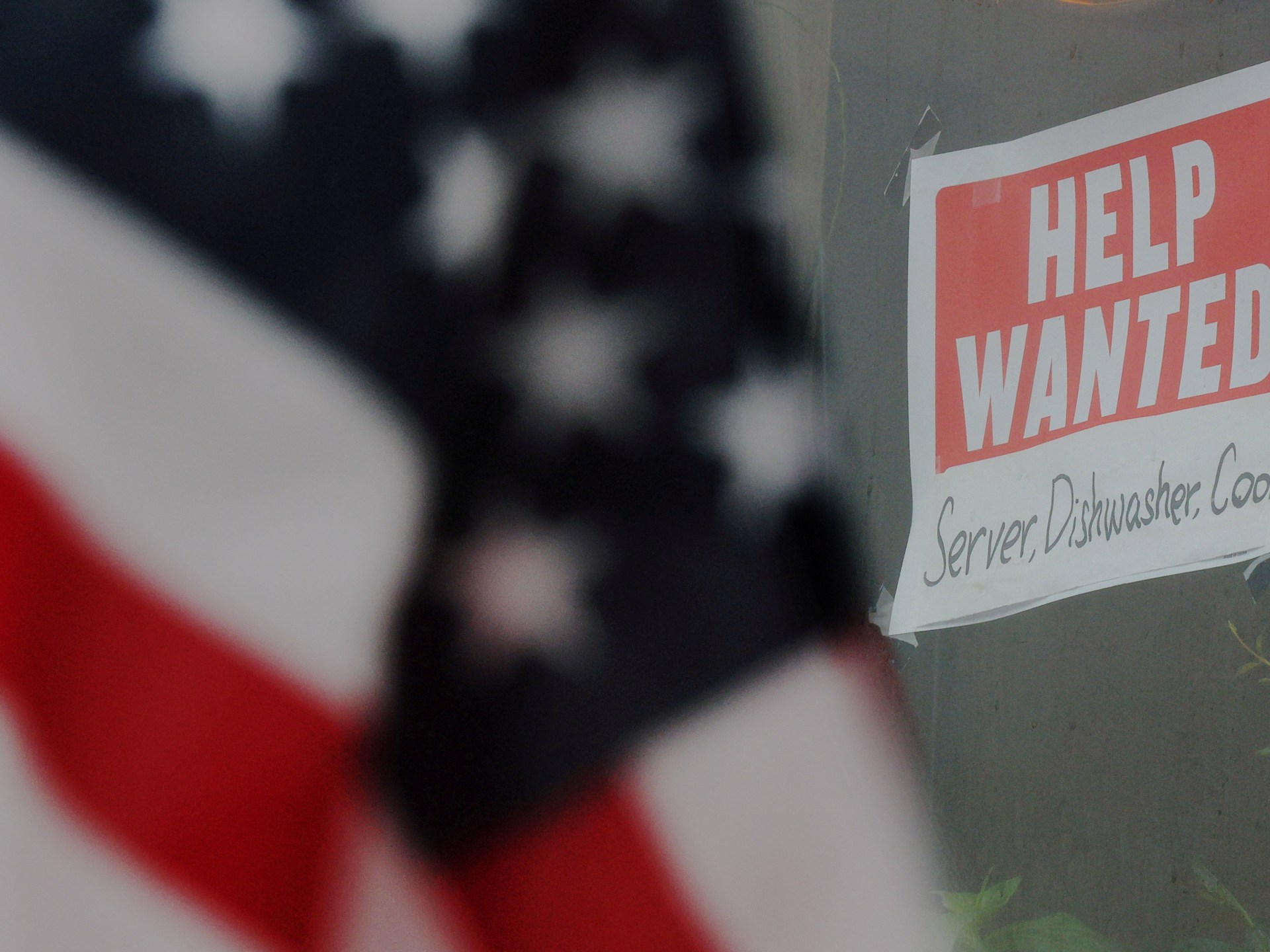
A coalition of 17 U.S. lawmakers, including current and newly elected House members, has intensified efforts to raise the federal minimum wage to $25 an hour and eliminate the subminimum tipped wage. The group is pushing for the Living Wage For All Act, which was first introduced in April and has remained pending. The bill’s original lead sponsors are Representative Delia Ramirez of Illinois, Representative Jesus “Chuy” Garcia of Illinois, and Representative Analilia Mejia of New Jersey. It proposes a phased increase: employers with more than 500 employees nationwide or at least $1 billion in annual revenue would reach $25 by 2031, while smaller employers would have until 2038. After that, the minimum wage would be set at two‑thirds of the U.S. median hourly wage, with annual adjustments to preserve that ratio. The legislation would also eliminate the current tipped wage of $2.13 an hour, which allows employers to count tips toward the minimum‑wage requirement.
Congressman‑elect Brad Lander of Brooklyn, New York, said he will co‑sponsor the bill when the next congressional session begins in January. He told Al Jazeera that a federal approach is the right way to go and that tying the increase into broader legislation that raises the minimum wage for all workers is a good strategy.
The federal minimum wage has remained at $7.25 an hour since 2009, while Washington, D.C., has the highest jurisdictional rate at $18.40 an hour, followed by Washington state at $17.13. Twenty states, including Texas, Georgia and Iowa, do not have a minimum wage higher than the federal rate. State rules on tipped wages vary; seven states require tipped workers to receive the full minimum wage before tips, while others, such as New York, allow a tip credit.
Lander noted that 45 million workers earn less than $20 an hour and that the tipped subminimum wage is “inexcusable.” The subminimum wage has long been criticized as a legacy of racial and economic inequalities that disproportionately affected Black Americans.
A recent poll by One Fair Wage found that 78 percent of voters considered raising the minimum wage to $25 an hour an important factor in the 2022 midterm elections. President Saru Jayaraman, president of One Fair Wage, said Washington had allowed the federal minimum wage to become increasingly disconnected from the economic reality facing American families.
The push comes as Democrats prepare to take control of both chambers in the new Congress. The last major attempt to raise the federal minimum wage was the 2021 Raise the Wage Act, which sought to increase the rate from $7.25 to $15 an hour. The Senate rejected a waiver that would have allowed the increase, and the bill failed 42–58. President Biden had raised the minimum wage for federal contract workers to $15 an hour in 2022 via an executive order, which President Trump revoked in 2025.
Frequently asked questions
What is the Living Wage For All Act?
The Living Wage For All Act was first introduced in April and proposes raising the federal minimum wage to $25 an hour by 2031 for large employers and by 2038 for smaller employers, while setting the minimum wage at two‑thirds of the U.S. median hourly wage after that.
Who are the original lead sponsors of the bill?
Representative Delia Ramirez of Illinois, Representative Jesus “Chuy” Garcia of Illinois, and Representative Analilia Mejia of New Jersey.
What change does the bill propose for tipped workers?
The bill would eliminate the current tipped wage of $2.13 an hour, which allows employers to count tips toward the minimum‑wage requirement.