World
Nicaragua's Genocide Convention Case Against Germany Faces Jurisdictional Challenge at World Court
By Kabir E.R.
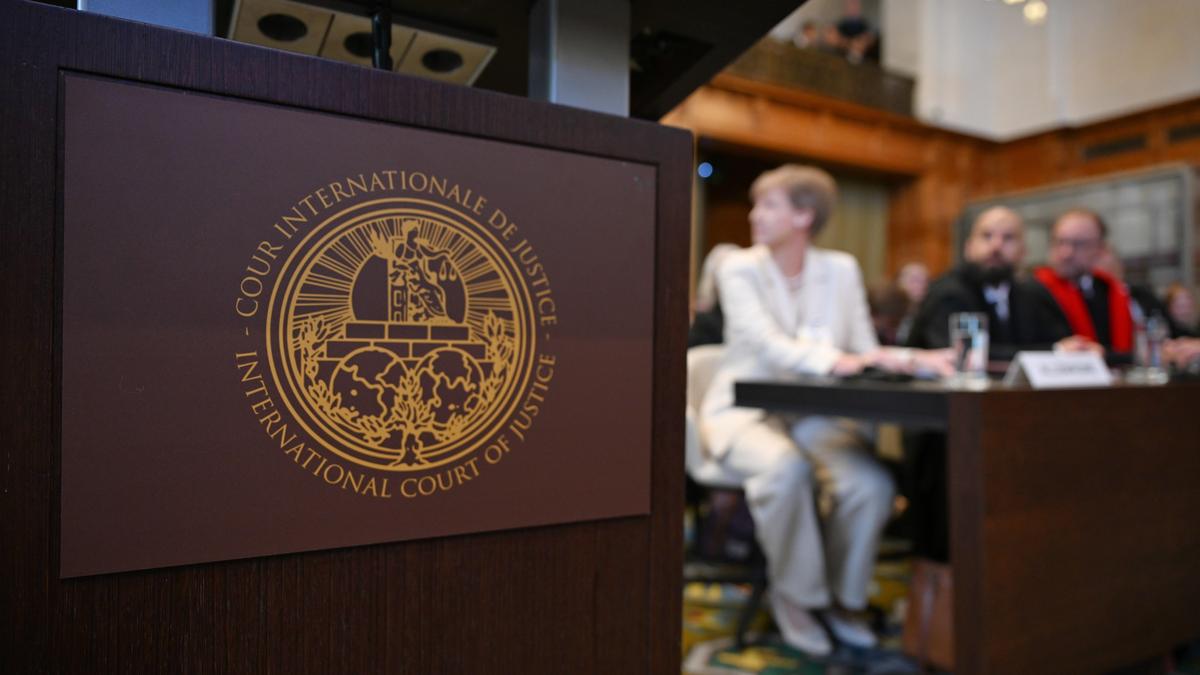
Nicaragua's 2024 lawsuit against Germany at the International Court of Justice (ICJ), which accuses Berlin of violating the 1948 Genocide Convention through arms sales to Israel during the Gaza conflict, has reached a critical procedural stage. The case, filed at the ICJ—commonly known as the World Court and based in The Hague—alleges that Germany "contributed to the commission of genocide" against Palestinians by supplying weapons used in Israel's military operations in Gaza.
The ICJ initially declined Nicaragua's request for emergency measures that would have halted German arms exports to Israel, but allowed the broader case to proceed. On Monday, September 7, 2026, Germany formally requested that the court dismiss the case entirely, contending that Nicaragua failed to follow required procedural steps before filing and that much of the case falls outside the ICJ's jurisdiction.
Nicaragua, which severed diplomatic relations with Germany in 2024 over Berlin's support for Israel, countered on Tuesday, September 8, 2026, that the case merits a full hearing since both nations are signatories to the Genocide Convention and bound by its obligations.
The Genocide Convention, formally titled the Convention on the Prevention and Punishment of the Crime of Genocide, was adopted by the UN General Assembly in 1948 and took effect in 1951. It establishes genocide as a crime under international law that signatory nations pledge to prevent and punish. The treaty also permits disputes between signatories concerning its interpretation or application to be brought before the ICJ. The term "genocide" itself was coined by Polish lawyer Raphael Lemkin in his 1944 work, Axis Rule in Occupied Europe. Originally signed by 41 nations, the convention now counts 154 signatories, including Nicaragua, Germany, Israel, and India.
Hearings on Germany's dismissal request took place from September 7 to September 10. A decision on whether the case will proceed is expected by late this year or early next year. Should the ICJ allow the case to continue, subsequent hearings would examine the substantive merits of Nicaragua's allegations, with a final ruling potentially taking several more years. If the court ultimately finds Germany in violation of the Genocide Convention or other international law, it could order reparations and compliance measures—though enforcement would hinge on Germany's cooperation or action by the UN Security Council. Historically, the ICJ rarely reaches the stage of imposing financial reparations directly, with parties typically negotiating settlements instead.
Nicaragua's case follows a similar 2023 lawsuit filed by South Africa against Israel at the ICJ, alleging genocide in Gaza. In that case, the court granted South Africa's request for interim measures, ordering Israel to prevent violations of the Genocide Convention. Israel has denied the genocide allegations and disputed the ICJ's jurisdiction. Several other countries have since joined South Africa's case, with a final verdict not expected until 2027 or 2028.
The broader conflict stems from Hamas's October 7, 2023 attack on Israel, which killed over 1,200 people and resulted in 251 hostages taken. Subsequent Israeli military strikes in Gaza have killed more than 70,000 people, according to reports, with UN agencies estimating an additional 10,000 people remain missing beneath destroyed buildings. A U.S.-brokered ceasefire has been in effect since October 2025, enabling limited aid deliveries into Gaza. Despite the truce, Gaza's Health Ministry reports that over 1,300 people have died in continued intermittent Israeli strikes since the ceasefire began. Humanitarian organizations describe conditions in Gaza as catastrophic, with the British Red Cross stating that residents face daily struggles for survival.