World
Saudi Arabia Plans Six‑Month Campaign Against Yemen’s Houthis Amid Rising Domestic Attacks
By Reuters
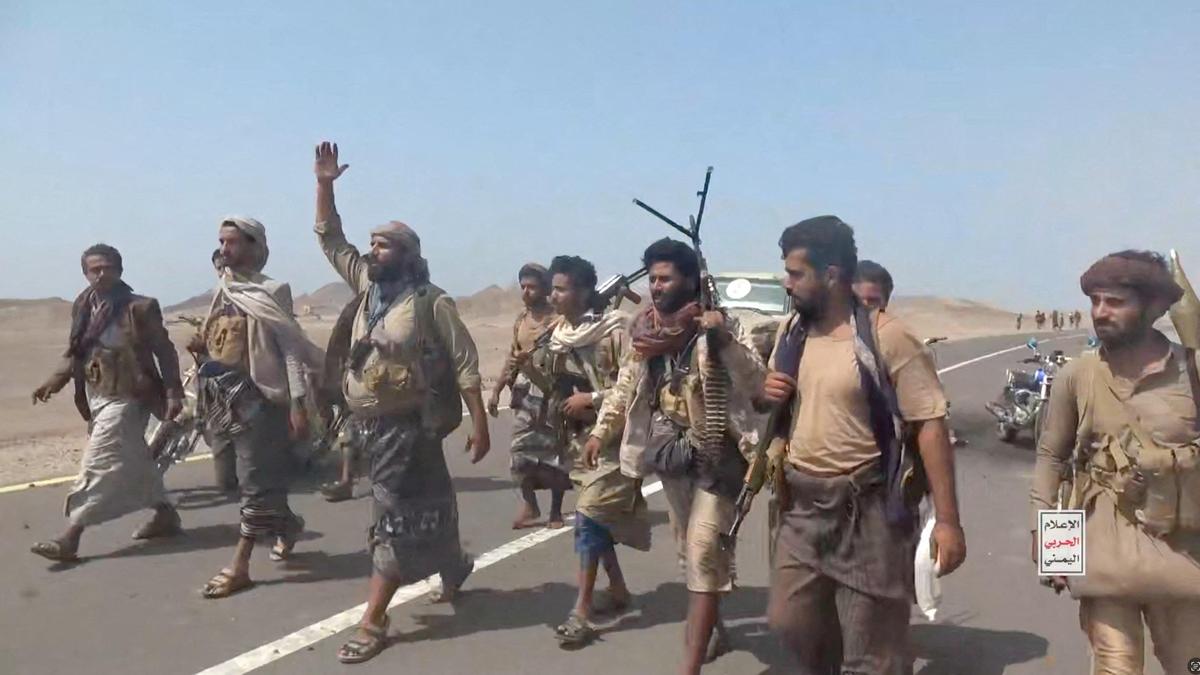
Saudi Arabia is preparing for a six‑month campaign against Yemen’s Houthi rebels, according to two Western officials briefed by Saudi counterparts. The officials said the kingdom expects the operation to continue into 2027, with the aim of gaining ground for its Yemeni allies before any negotiations. A third source familiar with the plans confirmed that a broader end to the Iran‑linked conflict could see the Yemen war draw down, and that U.S. offensive support, which President Trump’s administration has so far withheld, could help shift the tide in favor of Saudi‑backed forces.
Saudi Arabia first entered the Yemen conflict in 2015, leading an Arab coalition to restore Yemen’s government after the Houthis seized Sanaa and much of the country. The fighting reached a ceasefire in 2022 that lasted until summer 2026. Since fighting resumed, the Houthis have taken the Red Sea coast and the Bab el‑Mandeb strait from Saudi‑backed forces and surrounded Taiz. Yemeni government forces recaptured territory around the strait last month but withdrew over the weekend to protect Aden, marking a major setback. Saudi and Yemeni forces are now reorganising, with plans to defend Aden and possibly shift their offensive to eastern fronts.
On November 16, 2026, Saudi Arabia announced a replacement for the commander overseeing the Saudi‑led coalition. Yemen’s government is also expected to reshuffle its military leadership.
The kingdom has long portrayed the conflict as a Yemeni issue, providing support to Yemeni allies while claiming not to be a full party to the war. However, repeated high‑profile attacks on Saudi cities have made that position harder to maintain. A Houthi attack last week breached the Riyadh headquarters of the state oil company Aramco. A series of deadly strikes on Riyadh’s airport has kept it closed to most flights since October, leading to the cancellation or postponement of high‑profile events such as the flagship FII investment conference and the AFC Asian Cup, which was moved from January 2027 to December.
Saudi authorities have begun issuing regular alerts ahead of attacks and more detailed statements afterward, a shift from the previous practice of releasing limited information. Images of the aftermath of attacks are restricted by laws that criminalise their distribution. The deputy governor of Riyadh visited the Aramco Tower two days after it was hit, and state media showed the damage.
Public messaging about the war has also extended to mosques. In one of Riyadh’s larger mosques on Friday, November 13, 2026, the imam devoted an entire sermon to the conflict, urging fighters to “victory or martyrdom” and praying for Saudi soldiers at the southern border. He said, “Oh Allah, guide their aim and steady their feet, and grant them victory over those who show them hostility.”
Frequently asked questions
How long is Saudi Arabia's planned campaign against the Houthis?
Saudi Arabia plans a six‑month campaign, with the operation expected to continue into 2027.
What recent attacks have occurred in Saudi Arabia?
A Houthi attack breached the Riyadh headquarters of Aramco, and deadly strikes on Riyadh’s airport have kept it closed to most flights since October.
What changes have Saudi authorities made in response to attacks?
Saudi authorities now issue regular alerts before attacks and detailed statements afterward, shifting from limited information release.