World
Insurance Premiums for Hormuz Transit Surge to $64 Million, Raising Questions About Strait’s Openness
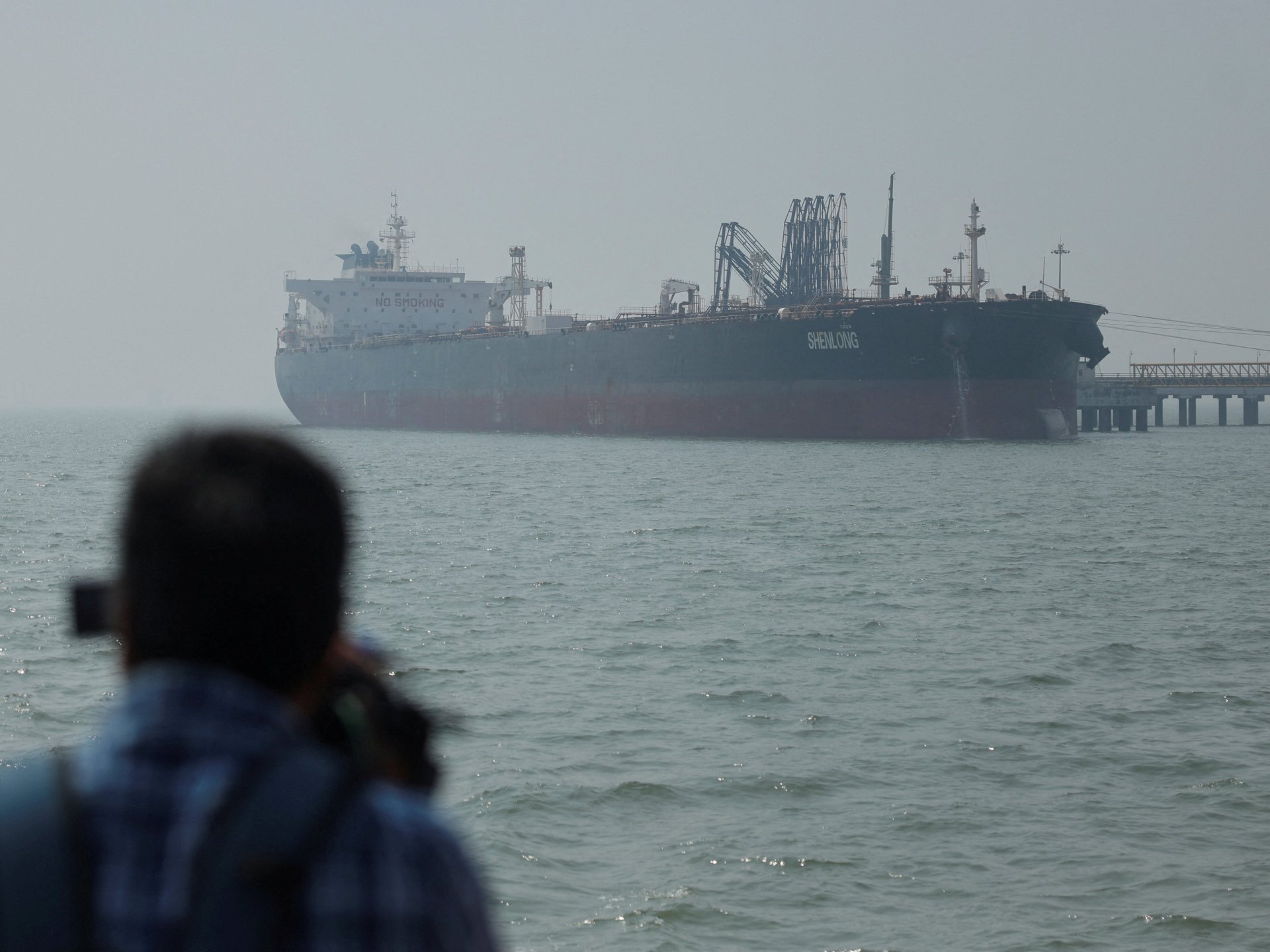
A senior U.S. Navy official said that insurance costs for commercial ships crossing the Strait of Hormuz have risen to $64 million for a single transit, a figure that challenges claims that the waterway is fully open for business. Acting U.S. Navy Secretary Hung Cao made the statement during a Senate Armed Services Committee confirmation hearing on Tuesday, when lawmakers asked about the war’s cost and its impact on freedom of navigation.
Cao first cited a pre‑war insurance cost of $54,000 for a single crossing, then clarified that the current cost is $64 million. Senator Elissa Slotkin responded that the war has increased the cost, arguing that commercial vessels no longer enjoy the same freedom of navigation as before. Cao also described the strain the conflict has placed on the U.S. Navy, including prolonged deployments and deteriorating conditions.
The $64 million figure appears unusually high. No independent verification exists that a regular commercial vessel crossing the Strait of Hormuz now pays that amount. Analysts note that war‑risk insurance premiums are typically expressed as a percentage of a ship’s hull value. A July report by S&P Global said war‑risk premiums had risen to between 7.5 % and 10 % of a vessel’s hull value, compared with 1 % to 3 % previously. That would put the cost of insuring a tanker carrying 270,000 metric tonnes of crude at roughly $21 million. A Reuters report in September quoted an executive at Dubai’s Emirates National Oil Company (ENOC) saying the cost of moving an oil cargo through Hormuz had risen to about $10 million to $20 million.
Insurance premiums have surged because ships face the possibility of missiles, drones or naval mines while passing through the waterway. War‑risk insurance covers losses arising from military conflict, and its price depends on the vessel’s value, the cargo and the likelihood of an attack. Higher insurance costs can feed into freight rates, fuel prices and the cost of goods transported worldwide.
Shipping traffic through the Strait of Hormuz remains about 65 % below pre‑war levels, according to the latest weekly report from the United Kingdom Maritime Trade Operations (UKMTO). The UKMTO recorded 308 vessel crossings during the seven days ending November 11, comprising 139 outbound and 169 inbound journeys.
While the U.S. has repeatedly suggested that Washington has secured shipping through the strait by providing naval escorts and maintaining a blockade of Iranian ports, Iran claims it controls passage and has demanded that vessels use approved routes and coordinate with its forces. Tehran has announced exemptions for ships from India, China, Iraq and Qatar. The route approved by Iran brings ships closer to its coastline than they used to sail.
Recent incidents illustrate the continuing danger. On Monday, UKMTO reported two tanker attacks, including one near Oman that left a vessel disabled and its engine room on fire. The following day, Iranian forces claimed three additional tankers had struck naval mines. On Tuesday, the U.S. attacked targets on Iran’s Qeshm island, near Hormuz, following an Iranian drone attack on U.S. military installations in Bahrain.
"It is only open for business if mariners are prepared to take these risks, and it certainly isn’t open by any pre‑war definition of the word," said Chris Beauchamp, chief market analyst at IG. "It remains a miracle that we have avoided an energy crisis, and the longer this goes on, the more the alternatives will be developed."
Frequently asked questions
What is the current insurance cost for a single transit through the Strait of Hormuz?
$64 million, as stated by Acting U.S. Navy Secretary Hung Cao.
How does the current insurance cost compare to pre‑war levels?
Pre‑war cost was $54,000; current cost is $64 million.
What is the percentage range of war‑risk insurance premiums now compared to before?
7.5% to 10% of a vessel’s hull value now, versus 1% to 3% previously.