India
Electric Trucks Gain Momentum in India as Major Firms Commit to Fleets
By Ayaan Kartik
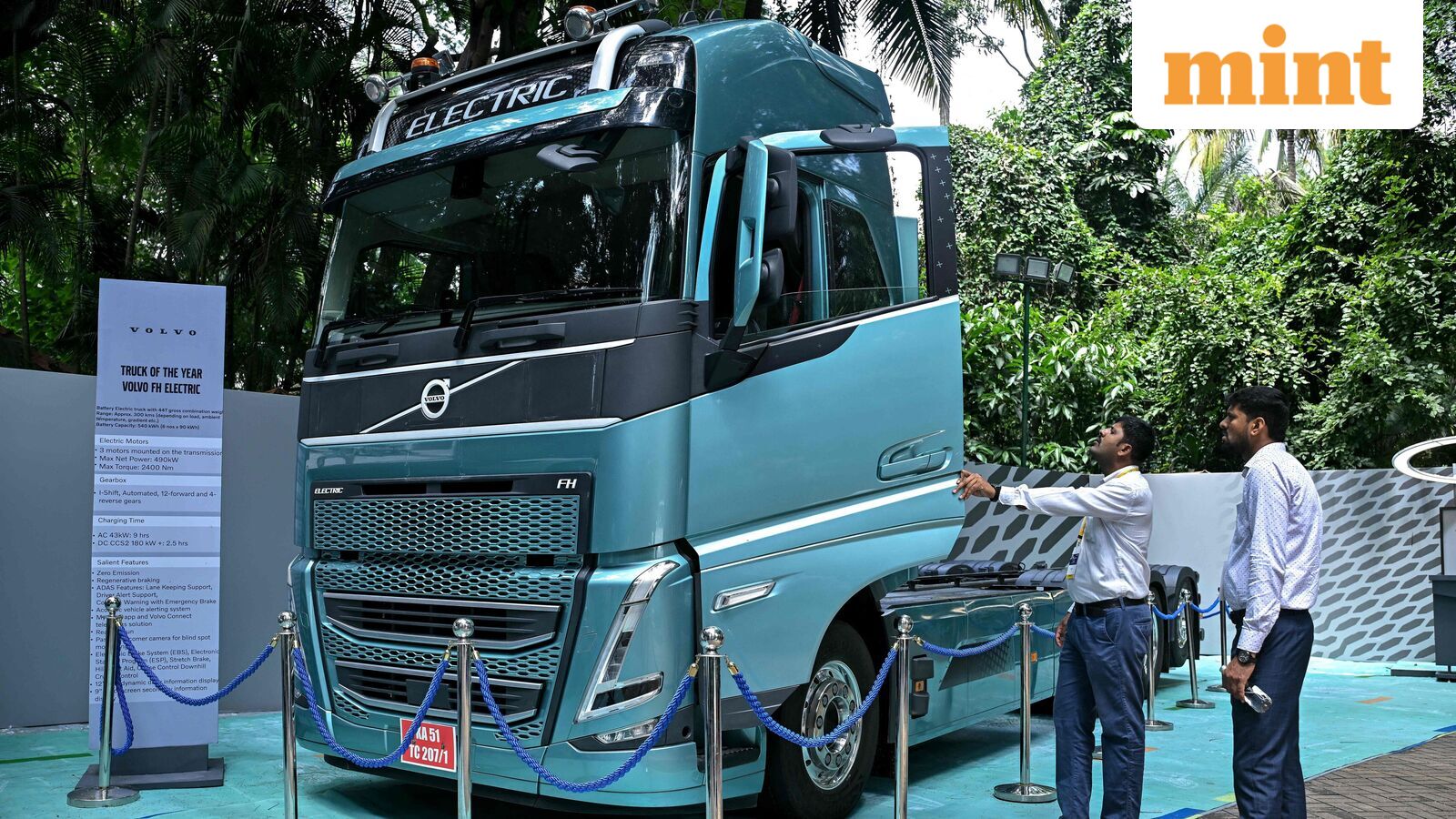
Electric trucks have long lagged behind other clean‑mobility segments in India, hampered by limited range, high upfront costs and a small manufacturer base. Recent data from the government’s Vahan portal shows a shift: sales of electric heavy and medium trucks rose from 582 to 2,062 in 2025, a nearly four‑fold increase, driven by Chinese brands Sany and Foton‑backed Energy in Motion and Indian maker Montra Electric. Light trucks have grown even faster, more than doubling to over 26,000 units in 2026 compared with the previous year, led by Tata Motors and Hero‑backed Euler Motors.
Large fleet operators are beginning to adopt the technology. Aditya Birla Group’s UltraTech announced plans to deploy 600 electric trucks, while Amazon has partnered with Tata Motors to introduce 3,000 trucks across its network, with a long‑term goal of expanding to highway corridors.
The economics of electric trucks work best when vehicles spend most of their time on the road. To reduce charging downtime, companies are installing chargers at loading points. According to Amazon’s Abhinav Singh, the technology is most suitable for sectors such as cement, ports and infrastructure, where predictable routes and fixed loading schedules allow operators to plan charging windows and maximize utilisation.
Electric trucks also offer operational advantages. They typically feature air‑conditioned cabins, upgraded safety and navigation systems, making them more attractive to drivers in an industry that struggles with shortages due to harsh working conditions. Operators can also collect richer telemetry data to monitor road time, usage patterns and operating expenses, helping to offset the higher upfront price—₹30–40 lakh more for heavy models and ₹2–3 lakh more for lighter ones.
With growing confidence from large businesses and ESG pressures pushing companies to reduce emissions, the segment could see meaningful growth in the coming years. Amazon’s commitments with Tata Motors and VE Commercial Vehicles illustrate a move beyond pilots to planned deployments, and JSW Group’s entry through Ampstar signals that manufacturers see an emerging market. Cement, ports and infrastructure firms are potential customers because of their concentrated freight routes.
However, scaling will depend on reliable uptime and lower lifetime costs. Large orders alone will not suffice unless charging and service networks expand accordingly.
Key challenges remain: steep upfront prices, limited local manufacturing and patchy charging infrastructure. Domestic heavy‑weight manufacturers such as Tata Motors and Ashok Leyland have struggled to scale in the heavy‑duty segment, leaving lower‑priced Chinese electric trucks to lead early adoption. Heavy trucks require massive batteries, and reliance on imported cells skews vehicle economics, making local cell manufacturing a critical milestone. Operators also await charging networks that extend beyond select industrial corridors. As domestic battery‑cell capacity ramps up over the next three years and policy support boosts charger rollouts, lower costs should broaden the adoption of electric trucks.