India
Delhi Court Directs Police to File Action‑Taken Report on Sonia Gandhi Complaint
By Arnabjit Sur
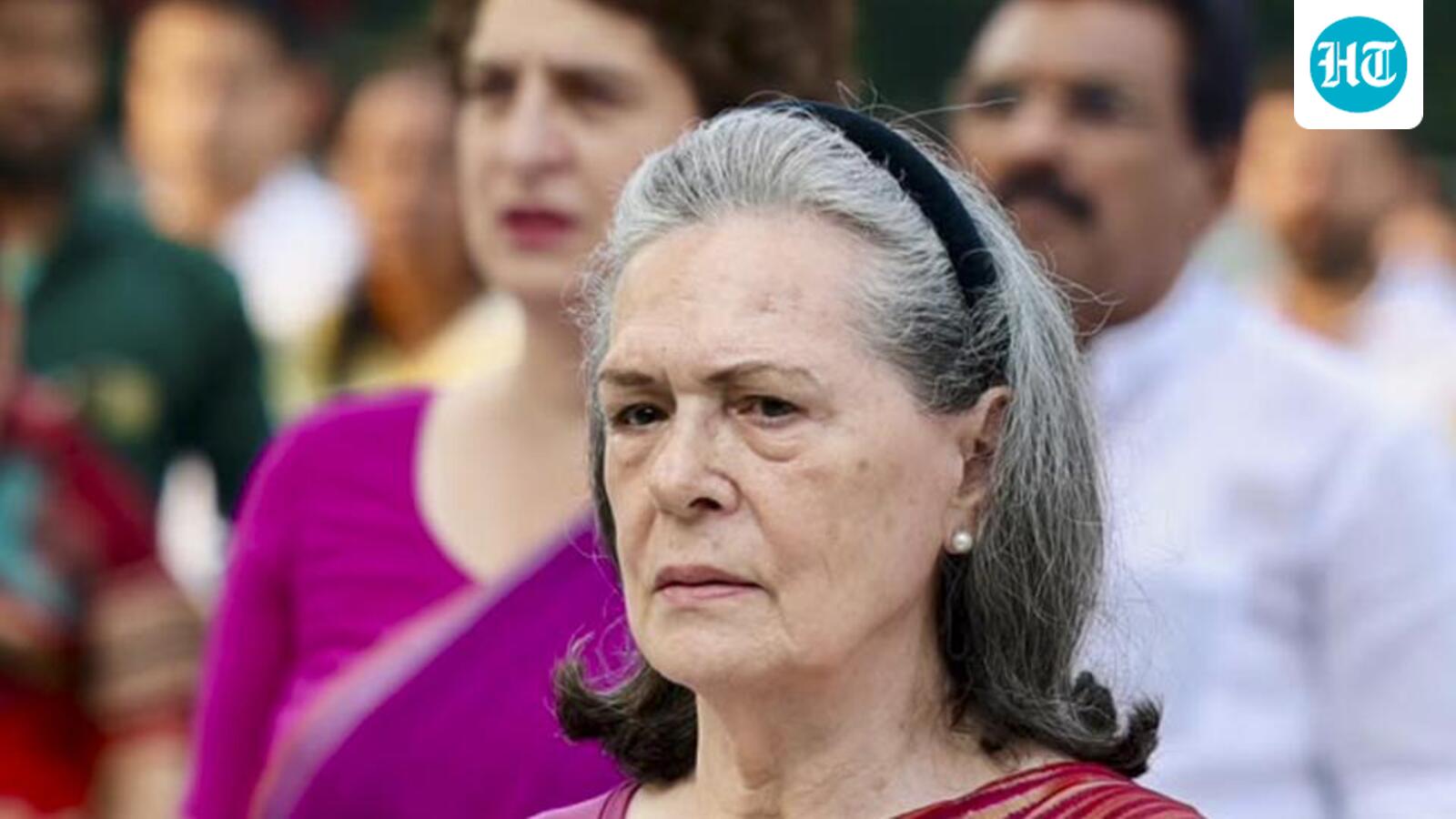
A Delhi court has instructed the Delhi Police to submit an action‑taken report (ATR) regarding a private complaint alleging that senior Congress leader Sonia Gandhi was enrolled in the electoral rolls in 1980 before acquiring Indian citizenship. The order was issued by Additional Chief Judicial Magistrate (ACJM) Vinod Joshi of Rouse Avenue Courts, who had taken up the complaint filed by Vikas Tripathi, vice‑president of the Central Delhi Court Bar Association. The matter is scheduled for further hearing on November 27, where the police response will be considered.
The complaint was originally dismissed by ACJM Vaibhav Chaurasia on September 11, a decision that was overturned by Special Judge Vishal Gogne on September 21. Gogne ruled that the dismissal did not comply with the Bharatiya Nagarik Suraksha Sanhita (BNSS), which requires a magistrate to obtain a police report and hear the investigating officer before deciding on the registration of a first information report (FIR). Gogne described the earlier order as suffering from a "non‑application of mind".
Chaurasia’s September 11 verdict cited a lack of cogent evidence to prove that Gandhi had forged documents to enroll as a voter. He noted that "mere bald assertions, unaccompanied by the essential particulars required to attract the statutory elements of cheating or forgery, cannot substitute a legally sustainable accusation."
Tripathi’s complaint accuses Gandhi of forgery and cheating, claiming her name appeared in the 1980 electoral rolls despite her acquiring Indian citizenship only on April 30, 1983. He further alleges that her name was removed from the rolls in 1982 and re‑entered on January 1, 1983.
Gandhi, represented by senior advocate R. S. Cheema, opposed the revision petition before Judge Gogne’s court. She described the complaint as politically motivated and an attempt to abuse the legal process. Her counsel argued that the complainant had produced no documentary evidence of forgery or falsification, that citizenship matters fall under the central government, and that the preparation and revision of electoral rolls are statutory functions of the Election Commission of India. She also contended that criminal courts could not assume these functions by entertaining private complaints and that the allegations were based on a controversy raised in the media more than 25 years ago without any fresh factual basis.