Technology
Cambridge Dictionary Names ‘Human’ Word of the Year 2026 Amid AI Debate
By Swati Gandhi
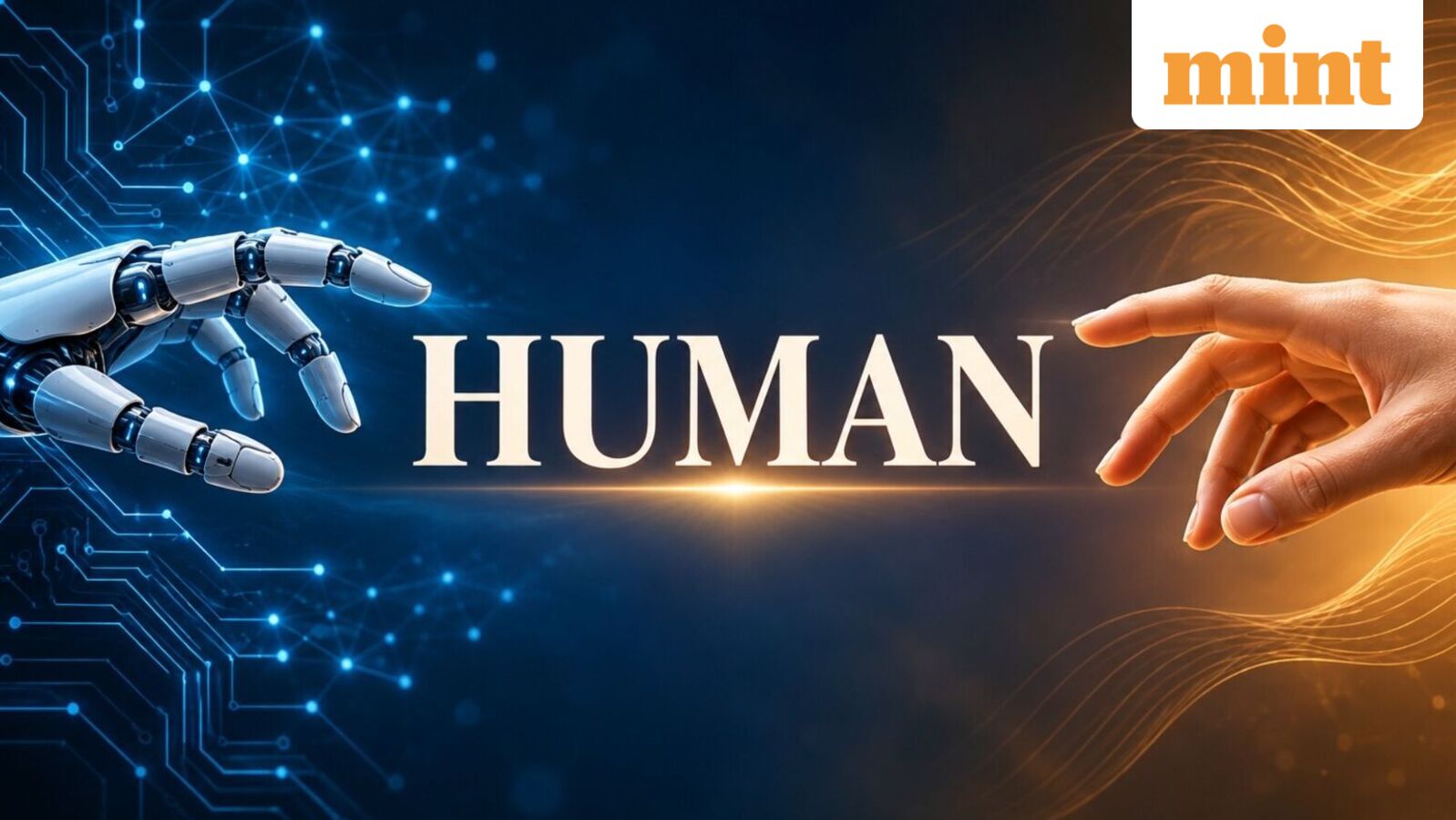
Cambridge Dictionary announced that the word "Human" will be its Word of the Year for 2026. The dictionary defined human as "having the qualities, faults, and feelings that people have, as opposed to gods, animals, or machines." It explained that the adjective has historically distinguished people from animals and gods, and more recently from machines, noting its use in phrases such as "human-written," "human-generated," and "human-made." The choice reflects a perceived shift in language that may signal a broader change in attitudes toward artificial intelligence.
The dictionary said 2026 has been "defined by global debates on what it means to be human when AI is blurring the boundaries between people and machines." It cited remarks by AI pioneer and Nobel laureate Geoffrey Hinton, who said, "We’re creating alien beings. I’m willing to be selfish and choose humans."
Colin McIntosh, chief editor of Cambridge Dictionary, added that AI has become ubiquitous this year, prompting a re‑evaluation of what it means to be human. He noted that the year has seen a "newfound appreciation of the human factor in what we consume," a "human premium," and a new value placed on human involvement across work, creation, and everyday life. These observations were based on analysis of language data, internet trends, and search habits.
The year 2026 also saw rapid AI advances across industries, leading businesses and consumers to place greater value on human creativity, craftsmanship, and authenticity. The rise of terms like "human-made" and the trend of "human premium" illustrate a growing recognition of human contribution in products and experiences, extending to health, lifestyle, sports, and entertainment.
In May 2026, a study from the University of California, San Diego reported that ChatGPT‑4.5 passed the Turing Test in 73% of cases after a 15‑minute text conversation, with participants judging the AI as "human." The ability of AI to produce writing, art, and music that can be mistaken for human work has sparked questions about AI sentience and the future of humanity.
Four other words were shortlisted alongside "Human": 1. Analogue – relating to activities, experiences or devices that do not use or involve the internet or digital technology. 2. Agent – an AI system that can operate in a complicated way without human control and is generally used for making decisions rather than creating content. 3. Wholesome – good for you and likely to improve your life either physically, morally, or emotionally. 4. Chic – stylish and fashionable.
Frequently asked questions
Why was 'Human' chosen as the Word of the Year?
The dictionary said 2026 has been defined by global debates on what it means to be human when AI blurs the boundaries between people and machines, and the choice reflects a perceived shift in language that may signal a broader change in attitudes toward artificial intelligence.
Which other words were shortlisted alongside 'Human'?
Analogue, Agent, Wholesome, and Chic were the other words shortlisted.
What did the University of California, San Diego study find about ChatGPT‑4.5?
The study reported that ChatGPT‑4.5 passed the Turing Test in 73% of cases after a 15‑minute text conversation, with participants judging the AI as "human."