World
Denmark Turns Pig Manure into Biogas, Powering 40% of Its Gas Grid
By Nick Clark
Denmark’s pig industry, which accounts for a quarter of the country’s food exports, produces more than 17 million tonnes of manure each year, mostly liquid slurry. The waste has been converted into biogas that fuels the national grid, transport, homes and fertiliser production. In the last decade the country expanded a handful of small biogas plants into about 150 industrial‑sized facilities, with up to 70 percent of the feedstock coming from pig and cattle manure. Denmark now supplies roughly 40 percent of its gas grid with biogas, the highest share in Europe.
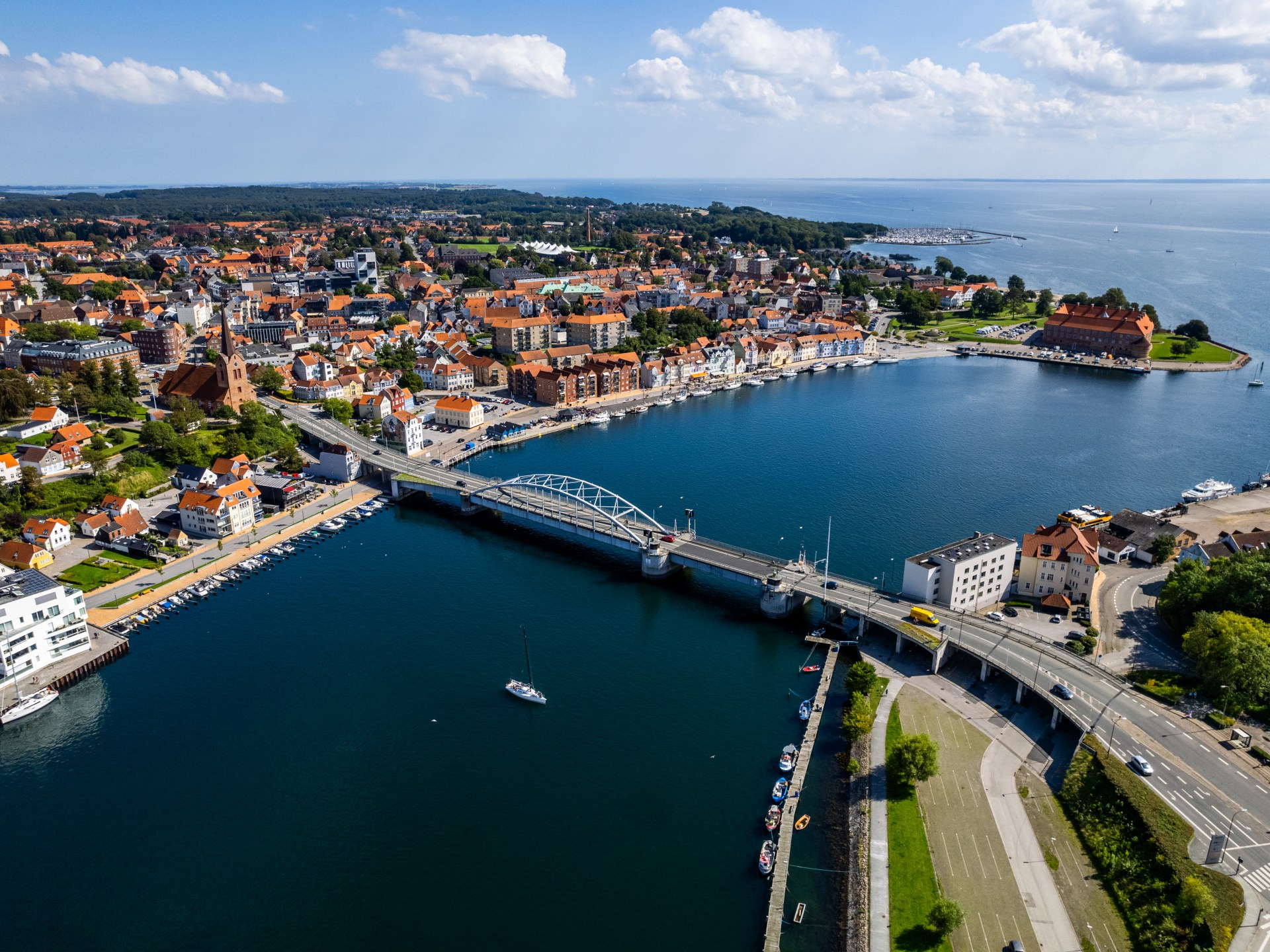
The coastal town of Sonderborg hosts the large‑scale Glansager and Kvaers biogas plants, which use about 850 000 tonnes of organic material annually—primarily livestock slurry, food waste and crop residues. Together they produce enough biogas to meet the region’s entire annual gas demand.
Project Zero, launched in 2007, aims for a carbon‑neutral energy system by 2029. The combined use of renewables, industrial waste heat and biogas has already cut energy‑related carbon emissions by 79 percent. Project Zero CEO Allan Pilgaard‑Jensen told Al Jazeera that resilient, local energy solutions are essential in a world of geopolitical uncertainty.
Critics argue that relying on livestock for biogas feedstock creates a “factory farm trap” that keeps pig and cow numbers high. NOAH Friends of the Earth Denmark and Foodrise claim Denmark should reduce its pig population to address climate, public health and biodiversity concerns. Jacob Sorensen of NOAH said money spent on biogas could better fund wind, solar, geothermal and energy‑saving technologies.
Biogas Denmark counters that biogas tackles immediate climate and energy security challenges and mitigates unavoidable agricultural emissions that will soon become an economic priority for farmers.
In 2030 Denmark will introduce a carbon tax on agriculture, charging about 16 euros ($18) per tonne of CO₂ emitted. At Grasten Agricultural College near Sonderborg, students test a small‑scale system that captures CO₂ from biogas combustion and stores it for industrial use, such as beverage carbonation and refrigeration. Principal Bjarne Ebbesen says the college is a living laboratory for making agriculture sustainable and profitable.
The farm’s 200 cows and 400 sows supply manure to an on‑site biogas plant. Bacteria break down the manure to produce biogas, which is burned in gas engines to generate electricity and heat for the college. A capture unit extracts CO₂ from the flue gas and stores it for sale. Ebbesen believes agricultural carbon capture can be scaled nationwide, turning CO₂ into a marketable commodity.
While turning manure into fuel does not solve farming’s broader ecological footprint, Sonderborg demonstrates that Denmark’s energy transition runs through the farmyard, turning slurry into energy and potentially turning carbon into a commercial product.