Education
Colonial Williamsburg Unveils $600 Million Expansion and $10 Million Civic Education Gift
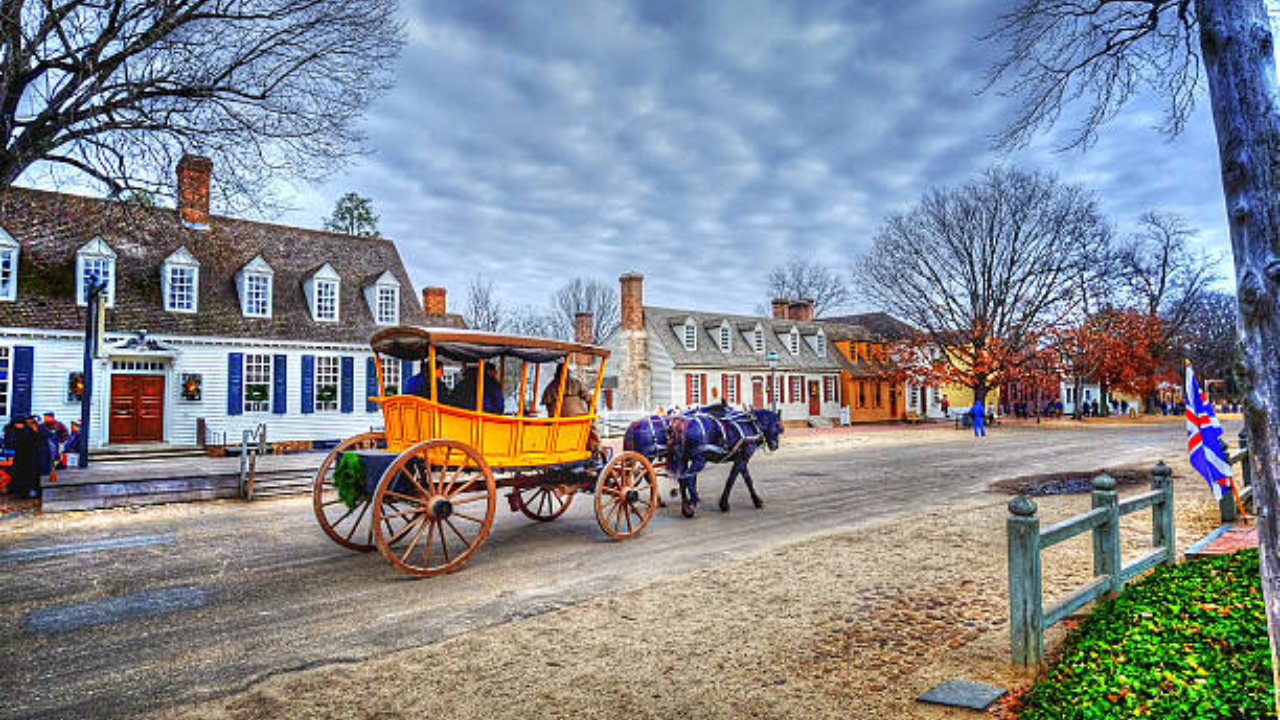
A century after John D. Rockefeller Jr. helped preserve Williamsburg, Virginia, the historic site is launching a new five‑year plan that will cost $600 million and add a $10 million gift for civics education. The announcement, reported by The Washington Post, came as the institution marked its centenary. The plan will broaden the living‑history interpretation beyond the period leading up to the American Revolution, adding events and debates that followed independence, such as the drafting and ratification of the U.S. Constitution and the adoption of the Bill of Rights in 1791. It will also include reconstructed period buildings, changes to the historic landscape and greater investment in interpreters, blacksmiths, furniture makers and other traditional craftspeople. Educational programs will cover archaeology, food, horticulture and historic trades, allowing visitors to explore how people lived and worked in the colonial period.
A key component is the National Institute for the Constitution and Civic Virtue, whose founding director will be constitutional scholar Jeffrey Rosen, professor at George Washington University. The institute will host lectures, discussions and public programs in Williamsburg, Washington, D.C. and partner institutions across the country, and will develop educational resources for K‑12 teachers. The institute received a $10 million gift from former federal judge J. Michael Luttig and his wife, Elizabeth.
The $600 million was raised through the Power of Place centennial campaign, supported by about 180,000 individual donors. The fundraising target was reached eight months ahead of schedule, according to local broadcaster WHRO. The five‑year plan will run through 2031, the year the United States will celebrate 250 years since the British surrender at Yorktown in 1781. The announcement comes as the foundation faces declining attendance and financial challenges, and aims to strengthen its public programs, visitor experience and long-term financial position while expanding its national educational role.
The original preservation effort began in 1926 when Reverend Dr. W.A.R. Goodwin, rector of Bruton Parish Church, sought financial backing to restore Williamsburg’s colonial character. After unsuccessful attempts to secure support from industrialist Henry Ford, Goodwin approached John D. Rockefeller Jr. The two met in 1924, and Rockefeller visited Williamsburg in March 1926. In November, Goodwin explained his vision of restoring the former colonial capital, and Rockefeller agreed to finance architectural sketches before becoming more deeply involved. On December 7, 1926, Rockefeller authorized Goodwin to purchase the Ludwell‑Paradise House, the first property acquired for the restoration project. Over the next five decades, the Rockefeller family remained the principal financial backer, and the project evolved into Colonial Williamsburg, which opened its historic attractions to visitors as restoration work progressed.