India
Government Urges Pulse Importers to Report Stock Levels Amid Rising Prices
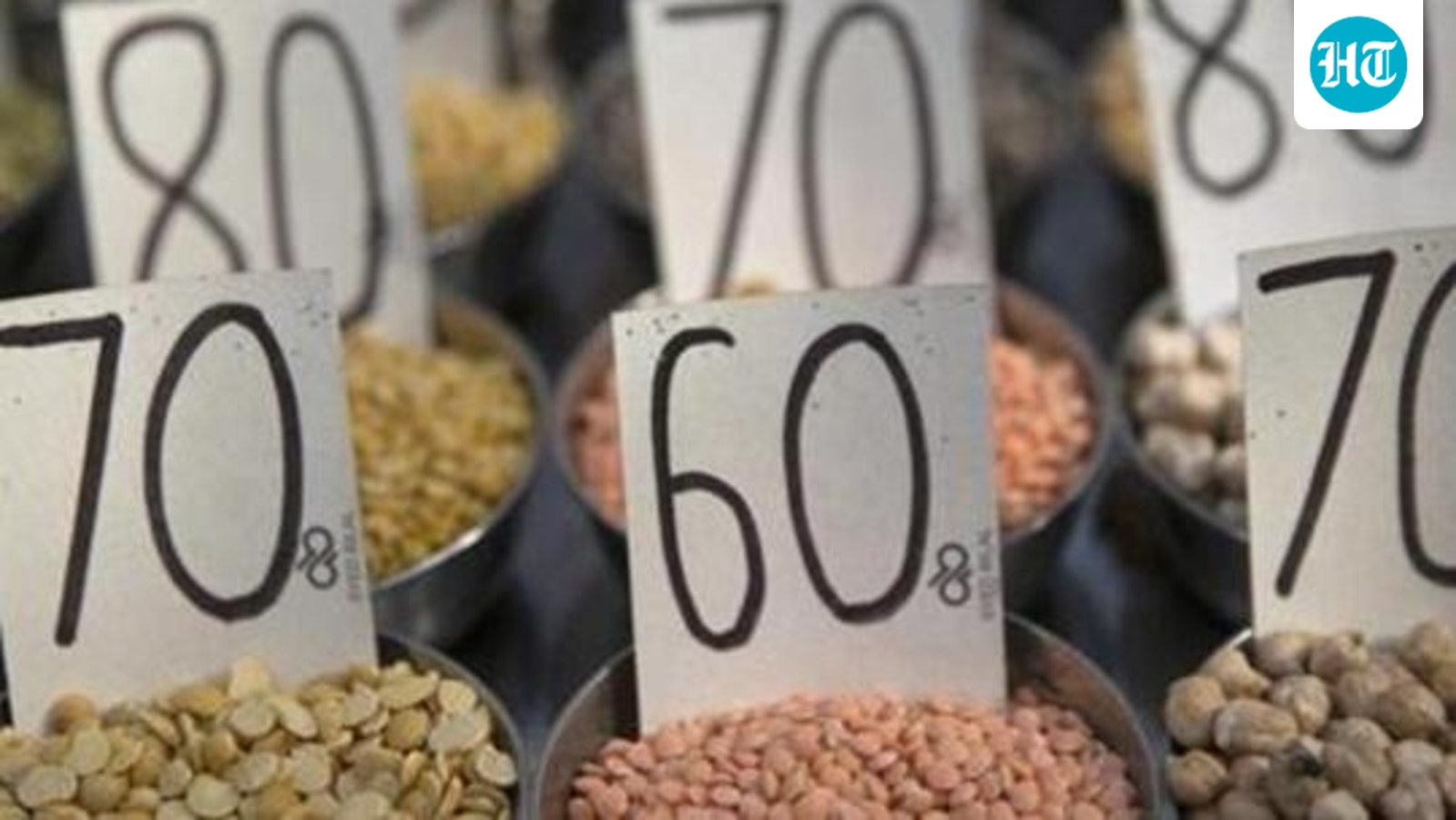
The Indian government has urged importers of pulses to disclose their warehouse and port stock levels on a designated portal every week, warning against hoarding and speculative trading as prices of pigeon pea (tur) and split chickpea (chana) rise. At a meeting on 13 November chaired by Consumer Affairs Secretary Nidhi Khare, officials expressed concern over the price increase of the two pulses and stressed the need for transparency and market stability, according to an advisory issued by the India Pulses and Grains Association (IPGA). The association has asked members to declare all stocks held at warehouses and ports on the portal and update their positions every Friday, and cautioned traders against speculative activities that could lead to artificial price increases.
Retail prices of major pulses have risen over the past year. The all‑India average retail price of pigeon pea was ₹135.21 per kg on 15 November, up 18.07% from ₹114.52 a year earlier, according to the Department of Consumer Affairs. Black gram (urad) prices rose 11.58% to ₹126.71 per kg, while split chickpea prices increased 9.49% to ₹94.63 per kg. Prices have also climbed over the past month: pigeon pea rose 3.58% and split chickpea 3.2% between 15 October and 15 November.
In response to the price pressure, the Tamil Nadu government has imposed stock limits on pigeon pea and black gram for three months from 13 November to ensure adequate supplies and reasonable prices.
The rise in split chickpea prices is being monitored against the backdrop of increasing imports of yellow pea (matar), a cheaper alternative used by the food‑processing industry to make gram flour (besan). Yellow pea imports have more than doubled in the first five months of the current financial year, adding to supplies as a cheaper alternative. India imported 624,700 tonnes of yellow peas during April‑August 2026, up 114% from 291,926 tonnes in the corresponding period last year, according to government data dated 16 November. Imports in August alone rose 453% year‑on‑year to 100,136 tonnes from 18,108 tonnes.
Imports of pigeon peas also increased 10% to 358,164 tonnes during April‑August, compared with 324,171 tonnes a year earlier. August imports rose 42% to 46,223 tonnes.
Frequently asked questions
What action has the Indian government taken regarding pulse stock reporting?
The government has urged importers of pulses to disclose their warehouse and port stock levels on a designated portal every week.
What were the price increases for pigeon pea and split chickpea in the past year?
The all‑India average retail price of pigeon pea rose 18.07% to ₹135.21 per kg, and split chickpea rose 9.49% to ₹94.63 per kg.
How have yellow pea imports changed in the first five months of FY2026?
Yellow pea imports more than doubled, reaching 624,700 tonnes in April‑August 2026, up 114% from 291,926 tonnes in the same period last year.