World
Brazil Eyes Deepwater Exploration in India's Andaman Basin as Energy Ties Expand
By Ramita Mishra, Rituraj Baruah
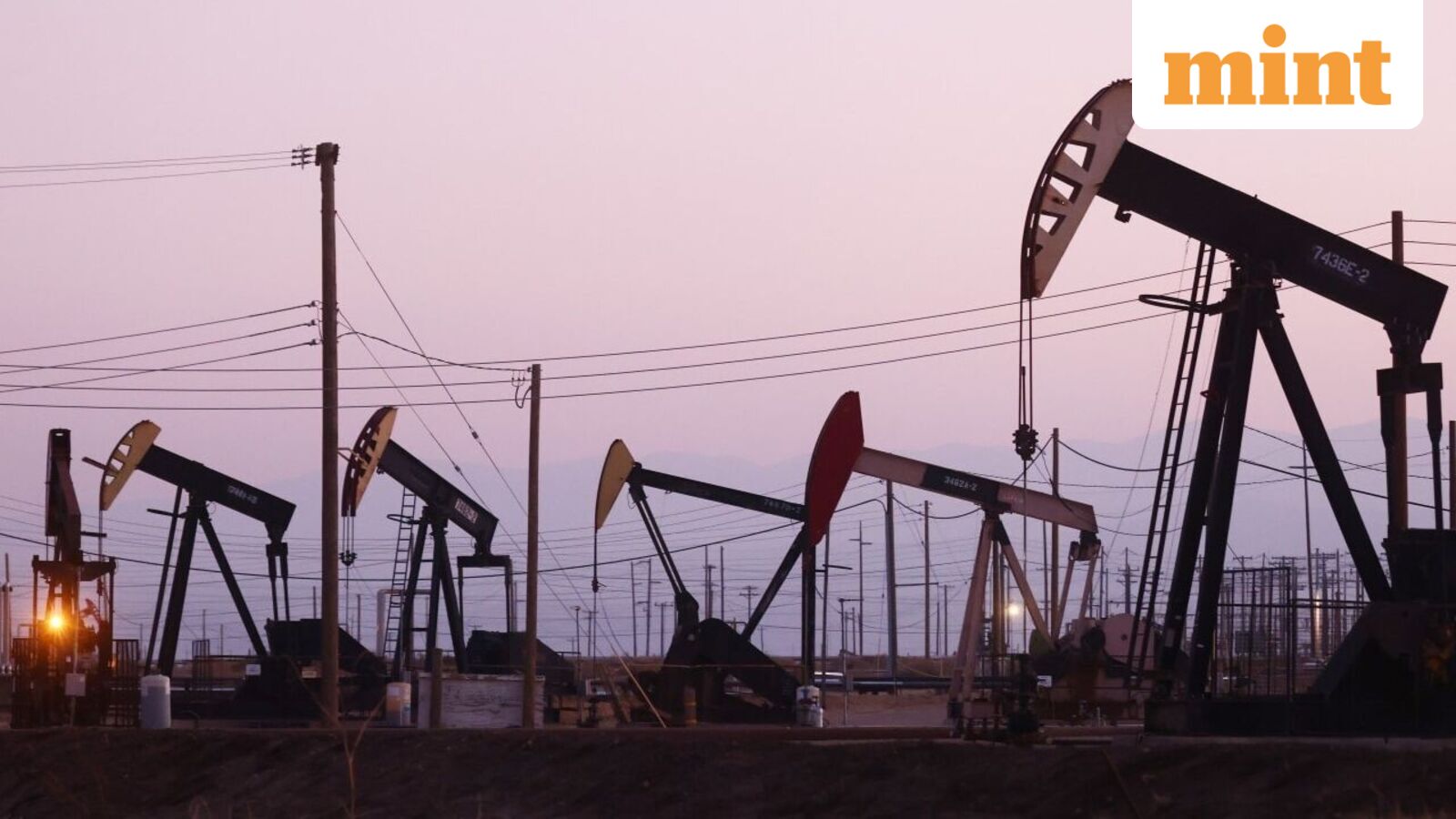
Brazil is looking to broaden its energy partnership with India, from exploring oil and gas in the Andaman basin to supplying more crude and sharing biofuel expertise, Brazil’s ambassador to India, Kenneth Félix Haczynski da Nóbrega, told Mint. He said Petrobras is considering a role in deepwater exploration in the Andaman basin. The move comes as India seeks to reduce its heavy dependence on imported crude and strengthen energy security amid growing uncertainty over global oil supplies. Petrobras, which had focused on its home market in recent years due to financial pressures, is now in a stronger position to expand overseas, Nóbrega said. Petrobras already has a technology arrangement with state‑owned Oil India Ltd but has yet to participate in India’s hydrocarbon block auctions. The government has invited global players to bid for hydrocarbon blocks under India’s open‑access licensing policy. India imports 90% of its oil; the US‑Iran war and the closure of the Strait of Hormuz have heightened concerns over the country’s energy security. The Andaman basin may hold 371 million tonnes of oil equivalent, but viability is unproven. Brazil is already a larger supplier of crude to India; imports surged 653% year‑on‑year to $3.21 billion during April‑August, according to commerce ministry data. Oil India and ONGC are currently involved in hydrocarbon exploration in the basin, having made two discoveries of potential natural gas. India’s 10th round of hydrocarbon block auctions under the Open Acreage Licensing Policy is underway, with a deadline of 10 December for deep‑ and ultra‑deepwater blocks. In February last year, Petrobras CEO Magda Chambriard visited India and discussed prospective technological cooperation in offshore deep‑sea exploration. Beyond exploration, Brazil’s experience in biofuels could help India’s green fuel push. Brazil, a top sugar producer, pioneered biofuel adoption with its Proálcool programme launched in 1975 to reduce crude oil imports by turning surplus sugarcane into fuel. In August 2025, the country raised its fuel blending mandate to 30% (E30) and in August 2026 to 32% (E32) for 180 days, a decision it will review. In 2003, Volkswagen do Brasil introduced the first flex‑fuel vehicle in Brazil, allowing engines to run on any petrol‑ethanol mixture up to 100% ethanol (E100). Nóbrega noted a significant price differential between ethanol‑blended fuel and 100% ethanol used in flex‑fuel vehicles; petrol is about BRL 6.47 ($1.14) per litre, while 100% ethanol is BRL 4.17 ($0.73). He said regulation ensures a required price difference between ethanol and petrol to address energy content differences. Brazil co‑founded the Global Biofuels Alliance with India, Indonesia, the US and others.
Frequently asked questions
What is Brazil's plan for oil exploration in India?
Brazil, through Petrobras, is considering deepwater exploration in India's Andaman basin to expand its energy partnership and supply more crude.
How does Brazil plan to support India's biofuel efforts?
Brazil will share its biofuel expertise, including its Proálcool program and flex‑fuel technology, to help India increase fuel blending mandates.