World
Zardari, Naqvi Hold Tense London Talks Over Pakistan's New Provinces Plan
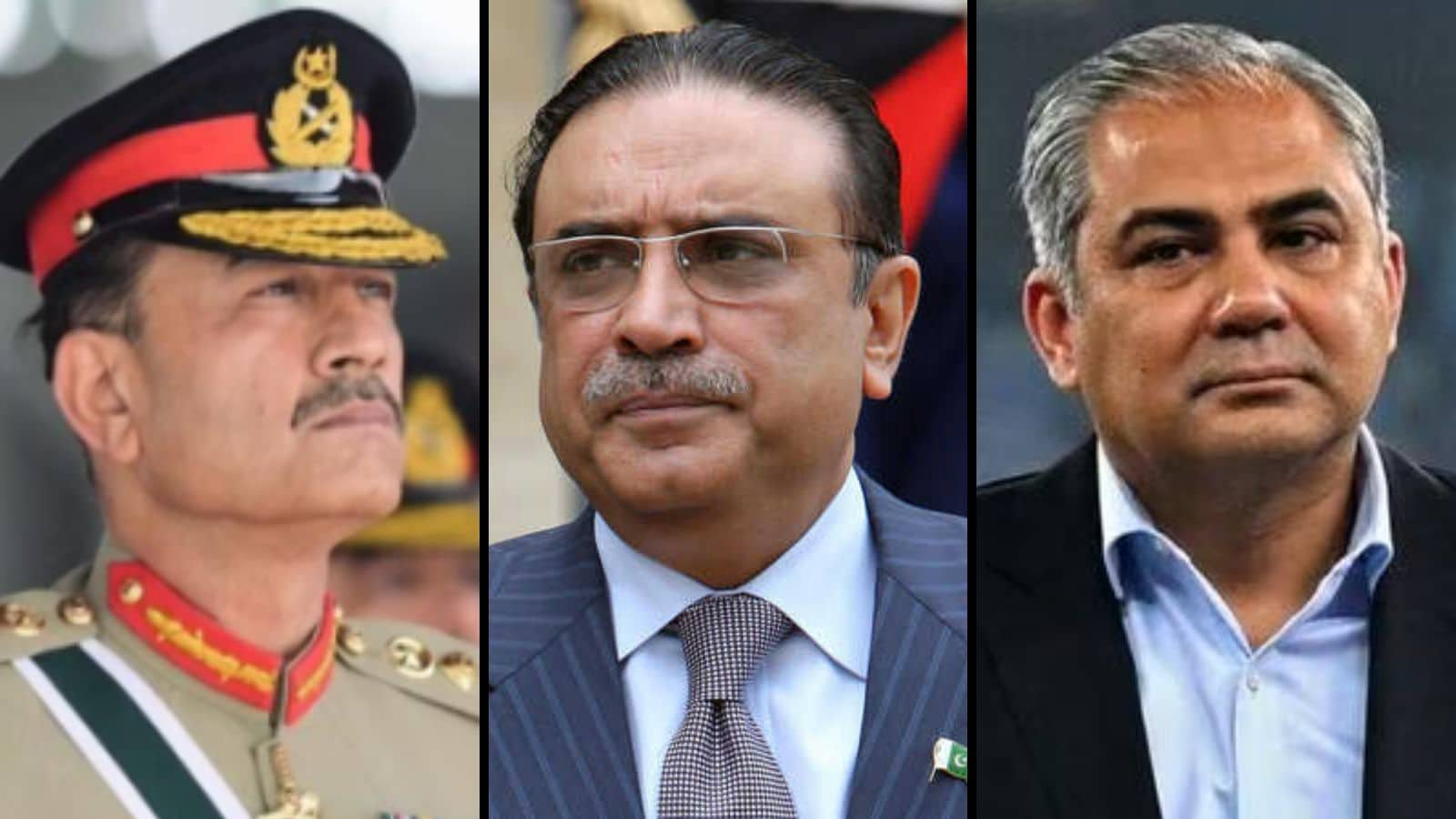
Pakistan's political situation is entering a critical phase after President Asif Ali Zardari and Interior Minister Mohsin Naqvi met for approximately 90 minutes in London, amid speculation about a plan to create new provinces or administrative units in the country. Sources say Naqvi traveled to London carrying a message from Field Marshal Asim Munir intended for Zardari.
The meeting arrives at a delicate time for Prime Minister Shehbaz Sharif's government, with uncertainty growing over whether the Pakistan Peoples Party (PPP) will continue its support. Reports indicate the London discussion centered heavily on the proposed reorganization of Pakistan's provinces and efforts to contain a deepening political crisis.
According to sources, Naqvi delivered an exclusive message from Munir to Zardari, with the military establishment reportedly pushing for swift action on creating new provinces. Zardari is said to be under significant pressure over the matter, but he has proposed an alternative path. Under his suggested framework, new provinces would first be established in Punjab and Khyber Pakhtunkhwa, where provincial assemblies have already passed resolutions supporting such moves.
Zardari is reportedly resistant to immediate province creation in Sindh and Balochistan. His concerns in Sindh stem from the PPP's strong political base there and the influence of nationalist groups, making any division of the province politically risky and potentially triggering unrest. In Balochistan, ongoing security challenges and militant violence make the idea of a new province particularly sensitive, as it could further destabilize the region.
Sources suggest the process under consideration might unfold gradually rather than through immediate constitutional changes. The initial phase could involve setting up local governments and new administrative units, followed by possible amendments to Articles 140 and 160 of the constitution. Article 140 governs the framework for local governments, while Article 160 addresses the National Finance Commission and how financial resources are divided between the federal government and provinces. This approach would let Islamabad begin administrative changes before tackling the more contentious issue of formally creating new provinces.
Amid this pressure, Zardari has reportedly reached out to PML-N leader Nawaz Sharif to explore ways of delaying the new-provinces proposal. Sources say Nawaz recently held a key meeting in Raiwind with Prime Minister Shehbaz Sharif and Punjab Chief Minister Maryam Nawaz, where it was agreed that the PPP should make the first move on the issue before PML-N determines its own stance. This reflects the political stakes involved, as the PPP holds sway in Sindh while PML-N is dominant in Punjab, meaning any redrawing of provincial boundaries could affect both parties' core support.
The PPP faces a difficult dilemma: aligning with the military establishment's apparent push for new provinces could improve its standing with the military, but doing so in Sindh risks a severe political backlash given the party's historical strength there. Sources warn this could spark significant public opposition and unrest, which is why Zardari is reportedly seeking alternatives that allow broader administrative reforms to proceed without immediately addressing the sensitive issue of dividing Sindh.
Sources further indicate that the military establishment may view the creation of new provinces as a strategy to weaken the entrenched political dominance of both the PPP and PML-N, which currently control Sindh and Punjab respectively. Breaking these provinces into smaller administrative units could dilute the established parties' influence and give rise to new political power centers, making the debate over new provinces more politically charged than a straightforward administrative reorganization.
The coming 8 to 10 days are expected to be pivotal for Pakistan's political future. Key questions remain over whether the PPP will maintain its support for the Shehbaz Sharif government or begin to pull back amid pressure over the provinces proposal. Additionally, Zardari's ongoing discussions with Nawaz Sharif and PML-N leadership could shape whether the plan is delayed, altered, or advanced. The London meeting between Zardari and Naqvi has brought these tensions into sharper focus as Pakistan navigates this politically sensitive period.