Business & Finance
SMBC to Merge All India Operations into Yes Bank by FY29
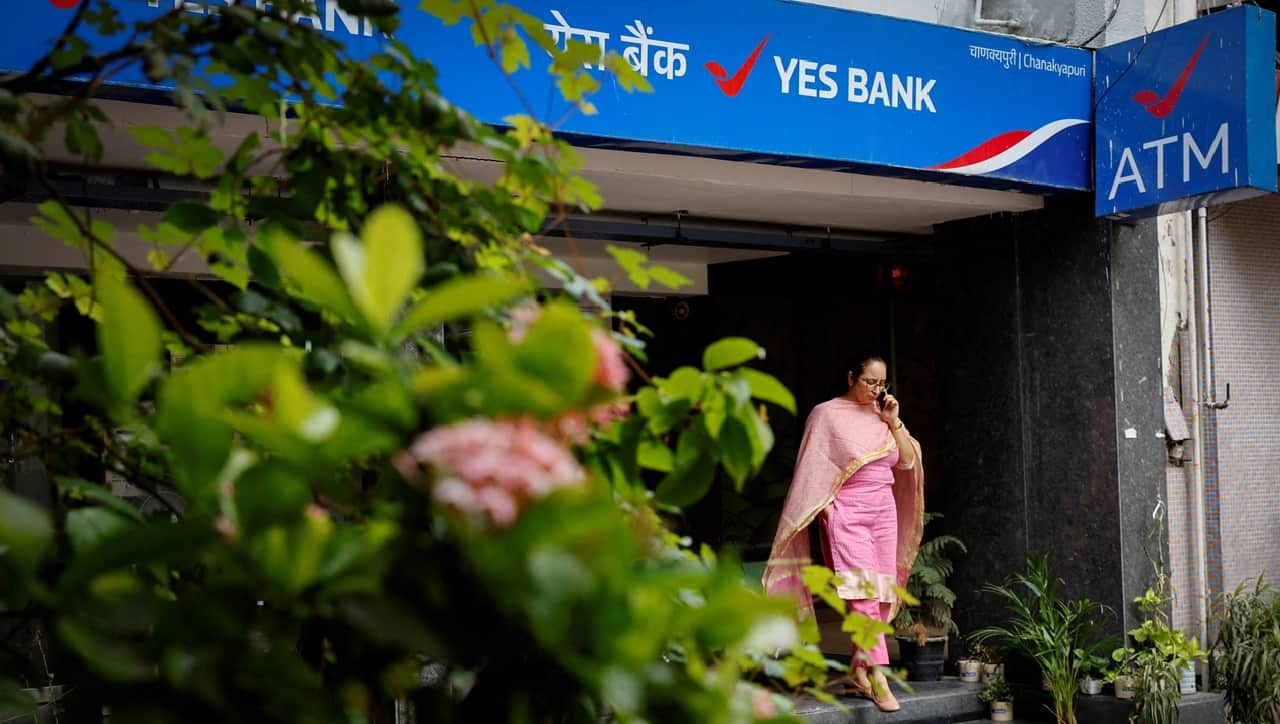
Japan’s Sumitomo Mitsui Banking Corporation (SMBC) has informed the Reserve Bank of India (RBI) that it intends to consolidate all of its Indian businesses under Yes Bank by the end of fiscal year 2029. Senior SMBC officials, including Rajeev Kannan, head of the India Division for SMBC and its parent Sumitomo Mitsui Financial Group (SMFG), met with RBI officials a few days ago and presented a roadmap for integrating the group’s various India operations into a single banking entity. The plan will unfold in three stages. First, SMBC will operationalise its wholly‑owned subsidiary (WOS) in India by the end of FY27. The RBI granted in‑principle approval in January 2026 to establish the WOS by converting SMBC’s existing branches into a locally incorporated banking entity, a process that is expected to finish by March 2027. Second, SMFG India Credit, the non‑banking arm acquired from Fullerton in 2021, will be merged with SMBC’s WOS, with completion targeted for the end of FY28. Third, the WOS will be merged with Yes Bank by the end of FY29. An unnamed investment banker noted that after the NBFC is merged with the WOS, SMBC cannot hold two banking licences in India and that Yes Bank, being the larger unit, is likely to be the acquirer. The consolidation has been fast‑tracked following the Supreme Court’s October 15 ruling that set aside Yes Bank’s March 2020 write‑off of its Rs 8,415‑crore Additional Tier‑1 bonds, restoring bondholders’ claims. The court’s decision could reduce Yes Bank’s Common Equity Tier‑1 capital ratio by 230–250 basis points, from 13.7 % to 11.4 % in Q2 FY27. The ruling also clarified that annual coupon payments on the bonds remain unaffected. The restructuring may involve a fresh primary capital infusion by SMBC into Yes Bank, though the amount and timing are unclear. SMBC, which acquired a 24.99 % stake in Yes Bank in 2025, is currently the bank’s largest shareholder. The move represents a significant entry by a leading foreign bank into India’s private banking sector.