Cyber Awareness
Jordan Bans Telegram Amid Security Crackdown
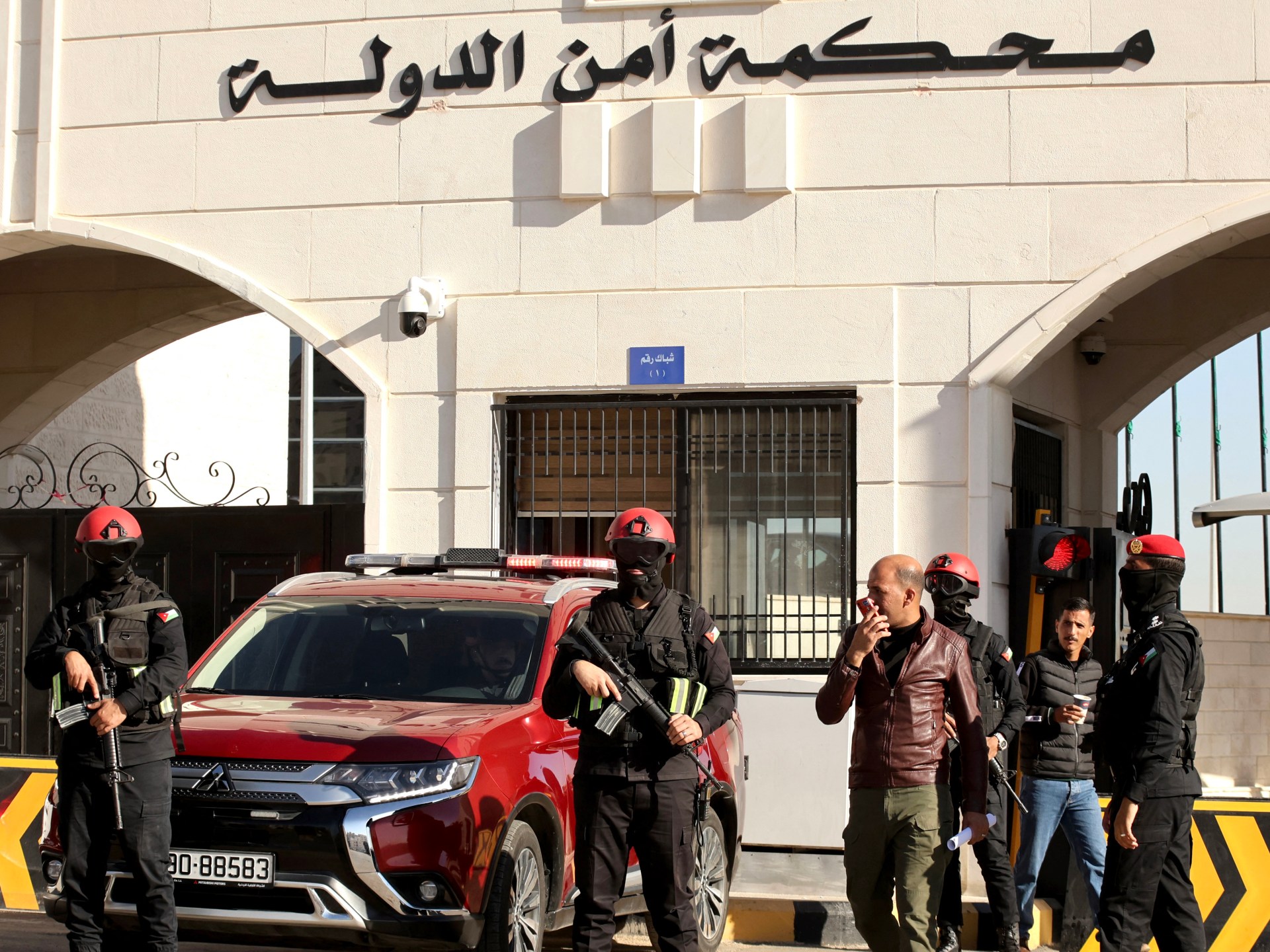
Jordanian authorities have banned the Telegram messaging app, citing the need to curb the spread of illegal content and extremist material. The Public Security Directorate (PSD) announced the ban in a statement released on Monday, following a broader security crackdown after nine people were killed in an attack on a Greek Orthodox church in the village of Hammoud, Karak governorate, last month. The PSD urged citizens to exercise caution when using social media, avoid interacting with unknown accounts or links, and report unlawful content through official channels. Three men were sentenced to death by hanging for the church attack, and Jordan subsequently carried out air strikes on Syria that reportedly killed 20 ISIL members linked to the incident. Earlier this month, a security officer was killed and another wounded in Amman in what authorities described as another terrorist attack. Telegram, founded by Russian entrepreneur Pavel Durov in 2013, is believed to be used by groups such as ISIL. Durov, 42, is currently believed to be in Dubai, UAE, and faces up to life in a Russian prison if found guilty; he is also under investigation in several other countries. The app offers end‑to‑end encrypted chats, though not all conversations are encrypted. Telegram is popular in the Middle East and North Africa, a region that accounts for about 8 percent of global users.
Frequently asked questions
Why did Jordan ban Telegram?
Jordanian authorities banned Telegram to curb illegal content and extremist material following a security crackdown after a church attack.
Which authority announced the ban?
The Public Security Directorate (PSD) announced the ban in a statement released on Monday.
How much of global Telegram users live in the Middle East and North Africa?
The Middle East and North Africa account for about 8 percent of global Telegram users.