World
Singapore Sharply Raises Ministerial Pay, Lifting PM's Salary by $1m
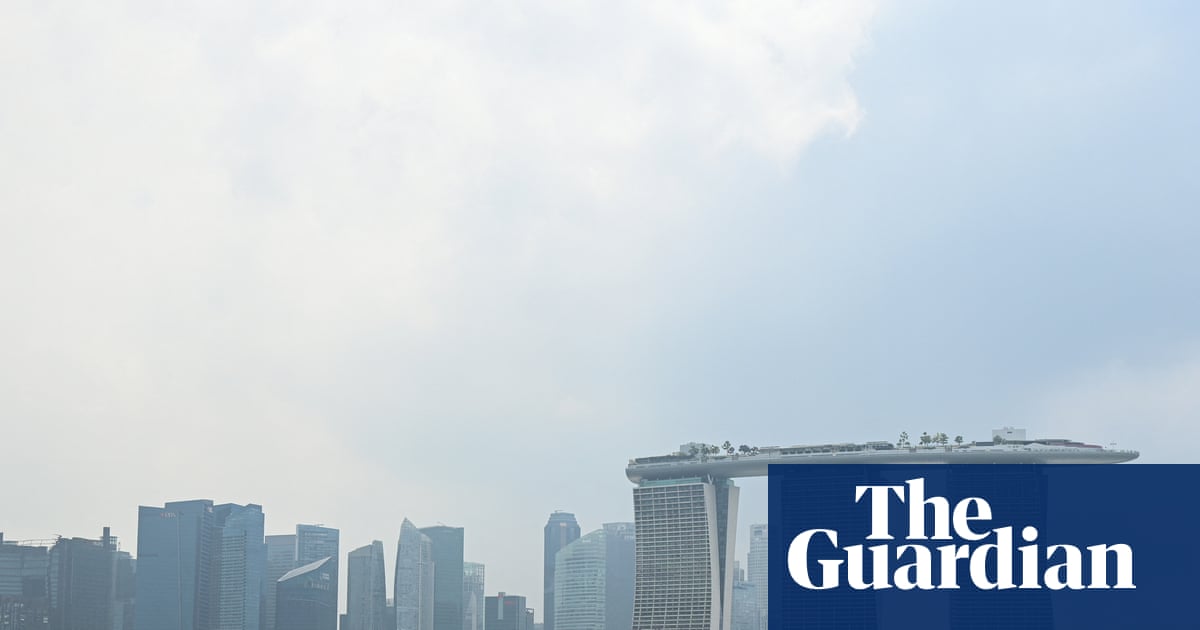
Singapore has announced a significant one-off pay increase for its government ministers, boosting the prime minister's salary by roughly $1m and pushing already record-high ministerial pay even higher. The increases raise what were already the world's highest ministerial salaries by more than 60%.
The wealthy city-state has long defended its practice of paying political leaders generously, saying it helps attract capable people into government and supports effective governance. Still, the topic remains politically sensitive, since cabinet members earn far more than the average citizen.
Under the new structure, Prime Minister Lawrence Wong's benchmark annual salary will increase from S$2.2m ($1.7m) to S$3.6m ($2.8m). The deputy prime minister's benchmark pay will rise from S$1.8m to S$3m, while other cabinet ministers will earn between S$1.8m and S$2.8m depending on seniority and the scope of their responsibilities.
Wong said he intends to donate his entire salary increase to charitable causes during his time in office.
Even before this rise, Singapore's prime ministerial salary was already far higher than those of leaders in other major economies. The president of the United States earns $400,000 annually, while Britain's prime minister receives about $230,000 a year.
Wong, whose People's Action Party holds a dominant majority in Singapore's parliament and controls the 21-member cabinet, acknowledged the sensitivity of the issue. "Political salaries are a difficult and emotive issue," he said. "The sums involved are more than what most citizens earn, so I understand why Singaporeans scrutinise them closely, and why many feel strongly about the matter."
He argued, however, that the debate ultimately centers on whether Singapore can continue attracting the quality of political leadership needed to guide the country in future decades. "Our starting point is this: good government depends on good leadership," he said.
Singapore, which last revised ministerial pay 15 years ago, is consistently ranked among the least corrupt nations globally. Wong noted that the salary increases were proposed by an independent review committee. Current officeholders will not immediately move to the new benchmark salaries; instead, they will receive a one-time adjustment of up to 9%, effective from October 15, with the exact amount varying based on individual factors such as job performance.