Business & Finance
India Secures Lower US Import Duties Under Proposed Trade Agreement
By Bhanu Pratap
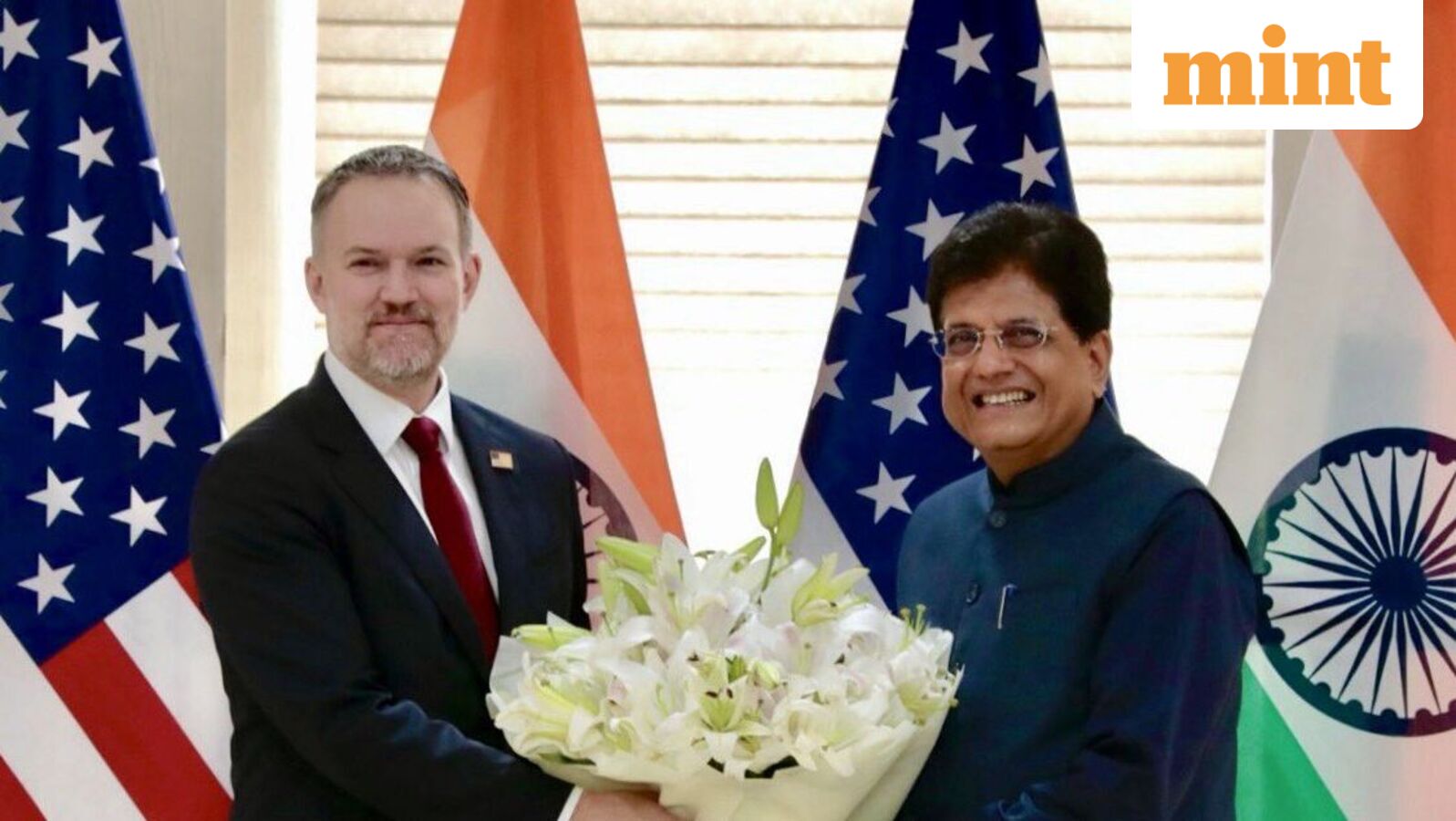
India has confirmed that it will receive preferential market access in the United States, with Indian goods expected to face lower import duties than products from competing countries under the proposed bilateral trade agreement (BTA), Commerce and Industry Minister Piyush Goyal said on Sunday. The arrangement was agreed upon by U.S. President Donald Trump and Prime Minister Narendra Modi when the two leaders announced a broad framework for an interim trade agreement earlier this year, Goyal said. "This was already agreed between the leaders — President [Donald] Trump and Prime Minister Narendra Modi — when they announced that we have both come to a broad framework agreement a few months ago. It has been acknowledged that India will get preferential trade access in the US with lower duties than our competitor countries," Goyal said in response to a media query, according to news agency ANI. The proposed tariff advantage could give Indian exporters a competitive edge in the American market, potentially helping them attract more orders, improve price competitiveness and expand their market share. India and the US finalized the framework for the first phase of their bilateral trade agreement in February 2026. However, the agreement, which was expected to be signed earlier, has faced delays amid changes in Washington's tariff policies, prompting both sides to continue negotiations. A senior government official recently said that the US had assured India of a comparative tariff advantage over competing countries under the proposed trade pact. Both countries are working towards concluding the first tranche of the agreement by the end of the current financial year, the official said last week. "We will have to see how the tariff framework unfolds. We are working towards closing the first tranche by the end of this financial year. Talks are going for the first tranche and the broader BTA," the official told ANI. The negotiations cover the first tranche as well as the broader bilateral trade agreement, which aims to expand market access, address tariff and non‑tariff barriers and strengthen economic ties between the two countries. The negotiations have also been affected by changes in the U.S. tariff regime after the Supreme Court struck down President Trump's reciprocal tariffs, which had formed the basis of the earlier trade negotiations. Washington is now exploring alternative mechanisms under provisions of the Trade Act to establish a new tariff framework. This evolving tariff structure has added another layer of uncertainty to the negotiations, with the final extent of the preferential treatment for Indian exports depending on the framework eventually agreed upon by the two sides. A lower tariff burden compared with competing countries could make Indian products more attractive to American importers and buyers. If Indian exports face lower duties than comparable goods from rival manufacturing and exporting economies, U.S. businesses could find it more commercially viable to source products from India. Such an advantage could help Indian exporters strengthen their position in the American market, particularly in sectors where pricing plays a significant role in sourcing decisions. Goyal made the remarks while on a two‑day visit to Egypt, aimed at exploring opportunities to strengthen trade and investment ties between India and the North African country.
Frequently asked questions
What is the proposed trade agreement between India and the US?
It is a bilateral trade agreement that will give India preferential market access in the US with lower import duties than competitor countries, as confirmed by Commerce Minister Piyush Goyal.
When was the framework for the first phase of the BTA finalized?
India and the US finalized the framework for the first phase of their bilateral trade agreement in February 2026.
What factors are affecting the negotiations?
Negotiations are affected by changes in the U.S. tariff regime after the Supreme Court struck down President Trump's reciprocal tariffs, and Washington is exploring alternative mechanisms under the Trade Act.