World
ASEAN Leaders in Manila Face Uncertain Outcome for South China Sea Code of Conduct
By Barnaby Lo
A long‑awaited agreement between ASEAN and China to establish a code of conduct for the disputed South China Sea is unlikely to be finalized during this year’s ASEAN Leaders’ Summit in Manila, analysts and officials said. The pact, which aims to manage tensions and prevent conflict at sea, has been under negotiation for more than two decades. In 2023, foreign ministers agreed to finish the accord within three years, a deadline that fell in 2026 when the Philippines chaired ASEAN.
The Philippine Department of Foreign Affairs (DFA) said negotiators have met at least once a month, but have not reached consensus before the summit. DFA Secretary Maria Theresa Lazaro told reporters on Saturday that about 80 percent of the document is finished, though some key points remain unresolved, including the geographical scope of the agreement. Beijing insists it has jurisdiction over nearly the entire South China Sea, despite a 2016 international ruling that invalidated that claim. The Philippines, Vietnam, Malaysia, Brunei and Indonesia also have overlapping territorial claims.
The Philippines wants the accord to respect the rights of non‑regional countries, as DFA spokesman Dominic Xavier Imperial noted. Half of the world’s merchant ships pass through the South China Sea, making the issue of freedom of navigation a major concern.
The Marcos Jr administration faces a dilemma: a strong document could be seen as self‑serving, while a weak one could portray the government as weak. Aries Arugay, a political scientist at the University of the Philippines, said the country is caught between a rock and a hard place.
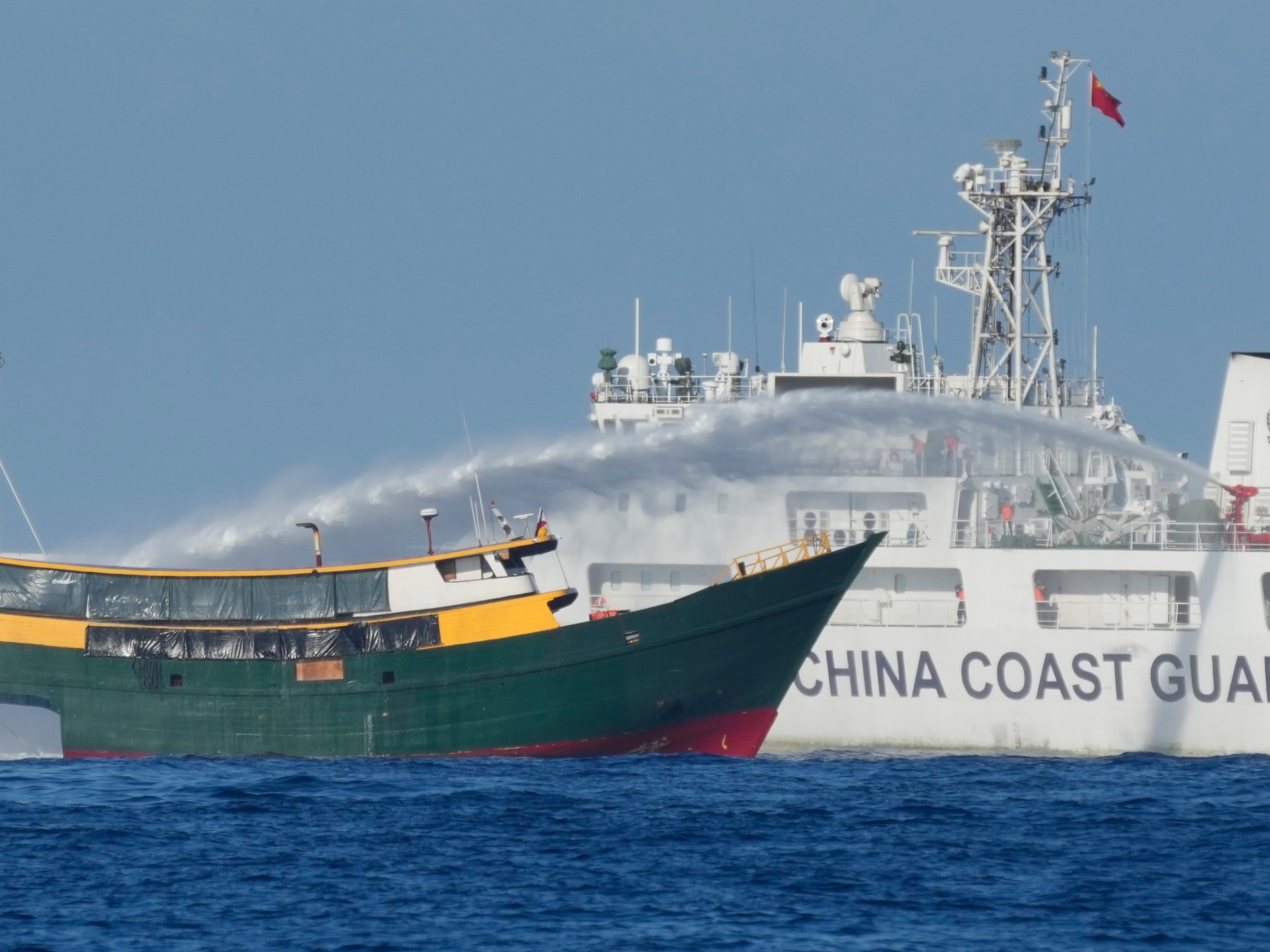
Tensions between Manila and Beijing have escalated since President Ferdinand Marcos Jr took office in 2022. The China Coast Guard has repeatedly used water cannon against Philippine vessels, and maritime confrontations have led to collisions and injuries. In September, Philippine Defence Secretary Gilberto Teodoro publicly responded to a handwritten note from Beijing’s military attaché in Seoul that rejected the 2016 ruling, sparking a social media backlash. Beijing’s ambassador to Manila, Jing Quan, later said China would not choose force.
The dispute intensified when China accused Teodoro of a late invitation to the ASEAN defence ministers’ meeting in Cebu, prompting the Philippine DFA to express concern that China might not send its premier. Chinese Foreign Minister Wang Yi called on the Philippines to “rein in politicians” and send a unified voice on its policy toward China. The DFA described the conversation as “frank and constructive” but later issued a statement saying public commentary by certain officials was “regrettable” and that officials must consider the consequences of their remarks.
Some analysts say the spat has exposed divisions within the Marcos administration. “They’re airing dirty laundry out there. It doesn’t communicate coherence,” Arugay said. Pitlo, a former president of the Philippine Association for Chinese Studies, said the last‑ditch diplomatic effort had achieved its objective, noting that Chinese Premier Li Qiang is now attending the summit.
Despite the presence of Chinese officials, Pitlo remains pessimistic that the code of conduct will be concluded. He said that trade protectionism, supply‑chain disruptions and other economic issues will dominate the agenda, making it a tall order to finish the agreement.
Frequently asked questions
What is the current status of the ASEAN-China code of conduct agreement?
About 80% of the document is finished, but key points like the geographical scope remain unresolved, and it is unlikely to be finalized at this year’s Manila summit.
When was the deadline for completing the agreement set?
Foreign ministers agreed in 2023 to finish the accord within three years, with the deadline falling in 2026 when the Philippines chaired ASEAN.
Which countries have overlapping territorial claims in the South China Sea?
The Philippines, Vietnam, Malaysia, Brunei, and Indonesia all have overlapping territorial claims.