India
Centre to Upgrade Top Jan Aushadhi Pharmacies into Flagship Outlets
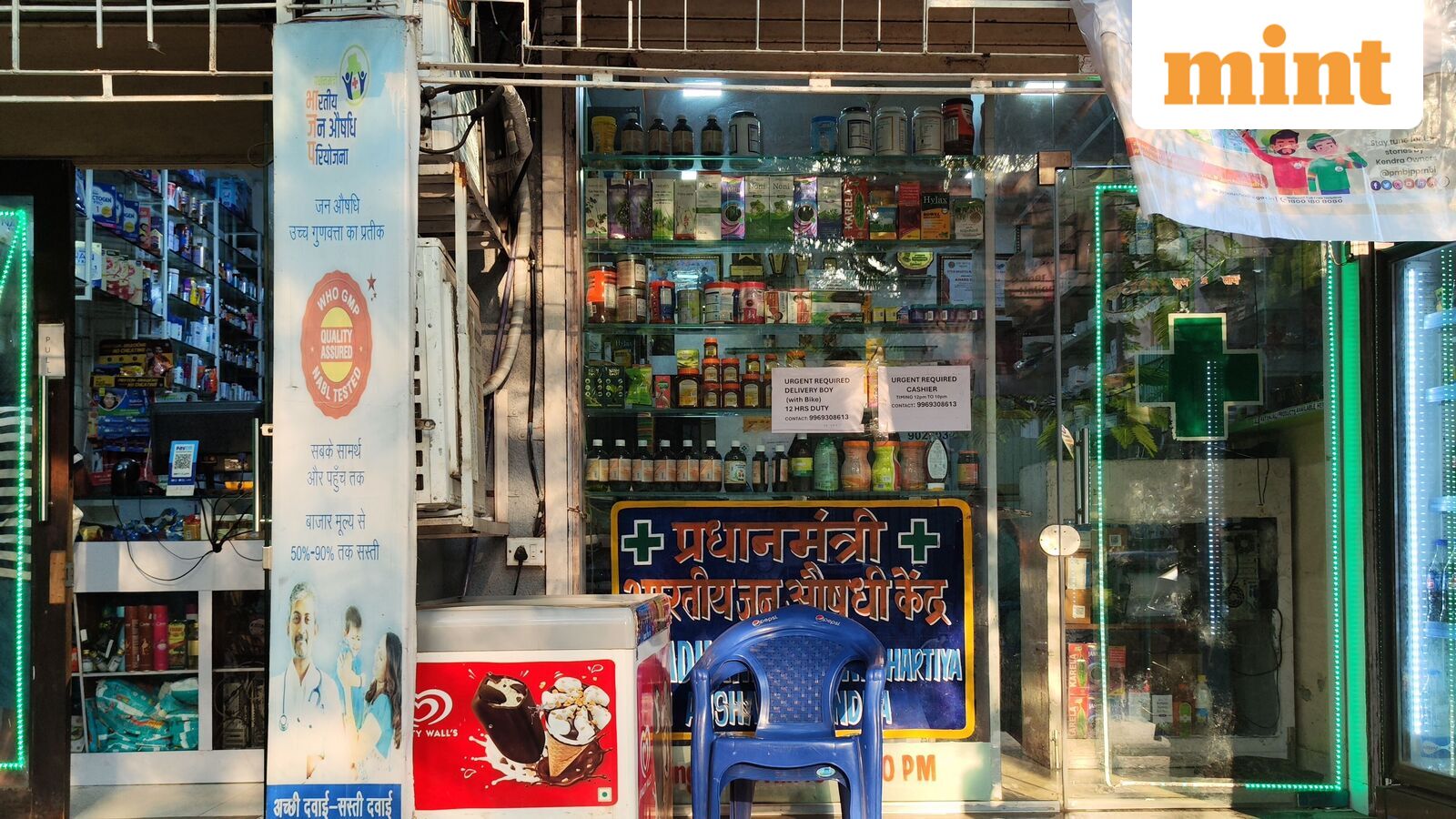
The Indian government plans to transform its best‑performing Jan Aushadhi Kendras—government‑backed retail pharmacies—into modern flagship outlets. The upgrade will provide better medicine supplies, expanded credit facilities and enhanced promotional support. Stores will be chosen on the basis of sales, growth potential and location, with a preference for those near hospitals and other high‑footfall medical centres, according to two government officials and a document reviewed by Mint. The initiative aims to improve product availability and raise standards across the network of affordable generic drug outlets as the government seeks to expand the store network to 25,000 by March 2027, up from 21,663 currently operational. To qualify, pharmacies must meet monthly turnover benchmarks of ₹10 lakh in metros, ₹7.5 lakh in non‑metro cities with populations exceeding one million and ₹3 lakh in other urban centres. The Pharmaceuticals & Medical Devices Bureau of India (PMBI), which has proposed the overhaul, will provide these outlets with priority supplies of the top 400 medicines, digital promotional screens, point‑of‑purchase branding materials and prominent visual banners on PMBI. The pharmacies, set up under the Pradhan Mantri Bhartiya Janaushadhi Pariyojana (PMBJP), offer generic medicines, surgical consumables and wellness products at substantially lower prices than branded alternatives. “We want them to store most drugs that we have, have better store layout and better credit, monitoring, etc… We cannot do this for all the stores as they may not have sales,” the first official said. A circular issued by PMBI’s chief executive says the Model Jan Aushadhi Modern Outlets will serve as examples for other pharmacies by “demonstrating best practices in customer service, stock management, minimising product expiry and effective use of point of sale (POS) systems”. In response to Mint’s query, a Department of Pharmaceuticals spokesperson said the approach was to develop high‑performing outlets into benchmark establishments that could demonstrate standardized operational practices. “This approach is expected to create a cascading effect, enabling neighbouring kendras to progressively adopt improved operational practices and strengthen their product availability, customer satisfaction and sales performance aligned with the broader objective of promoting accessible, affordable and quality healthcare,” the spokesperson said. The proposed model is “expected to strengthen consumer confidence and improve the overall experience of citizens accessing affordable generic medicines through the Jan Aushadhi network,” the spokesperson added. Public health experts said modernising these outlets would strengthen affordable healthcare in India. “Jan Aushadhi Kendras represent an important last‑mile healthcare delivery model, taking affordable generic medicines closer to communities, particularly those who need them most. Expanding their reach, strengthening inventory and improving accessibility will make a meaningful difference,” said Dr Aashish Chaudhry, managing director of Aakash Healthcare in New Delhi.