World
Moscow’s Focus on Outlasting Western Aid, Not Peace, Drives Abu Dhabi Talks
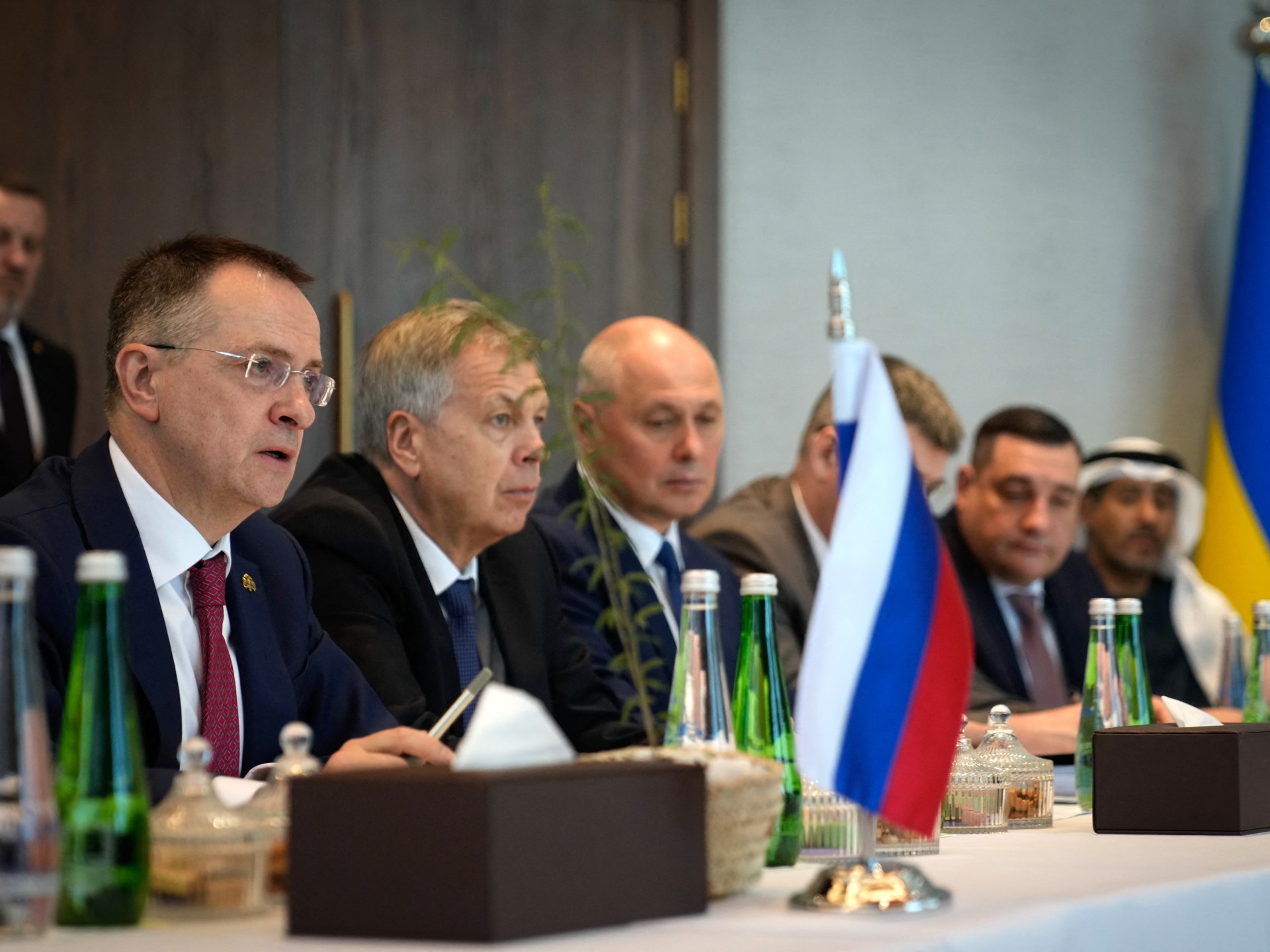
The humanitarian operation in Oleshky, a southern Ukrainian town occupied by Russian forces since 2022, did not alter Moscow’s calculations. President Vladimir Putin believes Russia can endure Western support for Ukraine. The Russian‑Ukrainian war, now in a phase of attrition, has led Russia, Ukraine and the United States to a new round of US‑brokered trilateral talks in Abu Dhabi, United Arab Emirates, on November 10, with sessions scheduled to continue on November 11.
The talks follow a successful humanitarian mission in Oleshky. Beginning in December 2025, the town experienced a food crisis that worsened in the summer. Under Russian occupation, the population fell from 25,000 to about 2,000, and the crisis threatened those who remained. In the summer, Ukrainian and Russian intelligence services agreed to a local ceasefire to evacuate Oleshky’s inhabitants—if they wished—to either Ukraine or Russia. The mission proceeded smoothly, with both sides honoring the ceasefire, hundreds of people evacuated (mostly to Ukraine), and Ukrainian and Russian human‑rights representatives Dmytro Lubinets and Yana Lantratova coordinating the operation peacefully.
The success of the Oleshky mission appears driven by Moscow’s willingness to cater to Donald Trump’s desire for a Nobel Peace Prize, rather than a genuine pursuit of peace. Trump has long sought the award, and the White House announced that Melania Trump, in her role as “Exclusive Intermediary,” had initiated the ceasefire discussion, dismissing earlier Vatican efforts and the fact that Ukrainian and Russian intelligence had already begun talks. Moscow accepted Washington’s narrative of Melania Trump’s role, and Kyiv aligned with it. Both Russia and Ukraine are attempting to win Trump’s support, but for Putin the goal is to continue aggression under more favorable conditions, not to achieve peace.
Another factor indicating limited progress in Abu Dhabi is the appointment of Vladimir Medinsky, Putin’s aide, as head of the Russian delegation. Medinsky led Russian delegations in Istanbul in 2022 and 2025, and his reappointment suggests that Russia’s position on Ukraine has not changed. Russia’s only acceptable outcome remains Ukraine’s surrender, which Ukraine rejected in 2022 and 2025 and continues to reject.
Putin believes Russia is in a stronger negotiating position, based on both erroneous and realistic assumptions. He mistakenly assumes that continuous attacks on Ukrainian infrastructure could force Ukrainians to surrender or rebel, but Ukraine is fighting an existential war where surrender would mean death, torture and ethnic cleansing. On the other hand, Moscow correctly notes that Western support for Ukraine is being challenged. European nations continue to finance weapons for Ukraine, but a large share of the needed equipment comes from the United States. The US‑Israeli war against Iran has depleted some US stockpiles, limiting the US’s ability to restock, especially for air defence.
The Democratic Party’s victory in the US midterm elections will not significantly change the situation, as the shortage of weapons the US can sell to Ukraine is a material issue. European support also depends on individual allies’ positions. France will hold a presidential election in the first half of 2027, with the right‑wing National Rally, led by Marine Le Pen, having a strong chance of winning. Le Pen has stated that France can no longer provide financial assistance to Ukraine and would stop aid if elected. France, the EU’s second‑largest economy, is the fifth‑largest bilateral EU donor to Ukraine; a halt in French aid could trigger a domino effect among other EU countries.
In Germany, the right‑wing Alternative for Germany party is surging in the polls and is the largest openly pro‑Putin and pro‑Trump party in the EU. Trump himself, despite Republican losses in the 2026 US midterm elections, remains an important Russian ally. Russia’s participation in the trilateral negotiations in Abu Dhabi does not signal readiness for peace; rather, Russia hopes Western support for Ukraine will wane and believes it can wait for that moment.
The views expressed in this article are the author’s own and do not necessarily reflect Al Jazeera’s editorial stance.
Frequently asked questions
When are the new US‑brokered trilateral talks between Russia, Ukraine, and the United States scheduled in Abu Dhabi?
The talks begin on November 10, with sessions continuing on November 11.
Who coordinated the humanitarian evacuation mission in Oleshky?
Ukrainian human‑rights representative Dmytro Lubinets and Russian human‑rights representative Yana Lantratova coordinated the operation.
Who is heading the Russian delegation at the Abu Dhabi talks?
Vladimir Medinsky, a close aide to President Vladimir Putin, is the head of the Russian delegation.