Business & Finance
Pakistan’s Imports from India Rise 69% in Q3 2025 Despite Ongoing Tensions
By Abid Hussain
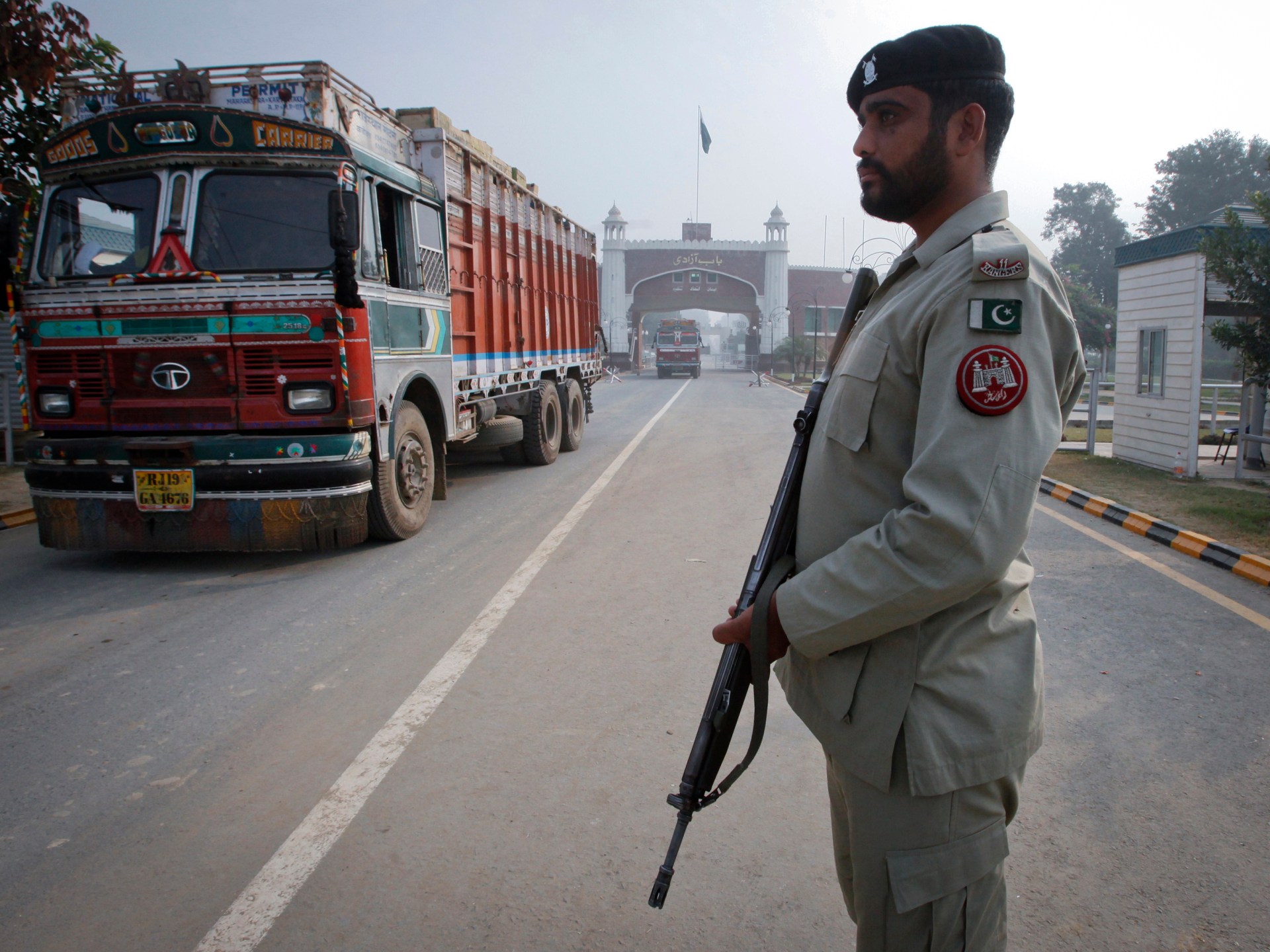
In the third quarter of 2025, Pakistan imported goods worth $61.7 million from India, a 69 percent increase over the same period a year earlier, according to the State Bank of Pakistan (SBP). The rise follows a period of severe trade disruption that began in April 2025 after a gunmen attack in Pahalgam, India‑administered Kashmir. New Delhi blamed Pakistan for the attack, while Islamabad denied involvement and suspended the Indus Waters Treaty. Pakistan responded by closing its airspace to Indian airlines, shutting the Wagah border crossing and suspending trade. By May, the two nuclear‑armed neighbours were exchanging missile and drone strikes, but a ceasefire was reached on May 10, for which U.S. President Donald Trump claimed credit.
SBP data show that payments for Indian imports totaled $36.6 million from July to September 2025. Monthly payments fell from $20 million in April 2025, just before the conflict, to $9.2 million in June and $8.2 million in July, before recovering to $19.6 million in September. Over the 2025‑2026 fiscal year, which ended in June, Pakistan paid $203.8 million for Indian imports, 7.6 percent less than the previous year. Monthly averages suggest payments have largely recovered: $19.3 million in the 12 months before the conflict and $19.1 million in the 13 months from September 2025.
Government trade data break down imports by commodity. In 2025‑2026, 96.2 percent of imports from India were organic chemicals and pharmaceutical products, up from 93 percent the previous year. The largest category was vaccines, blood products and similar items worth $93.6 million, up from $70.3 million. Within this group, imports of vaccines for human use rose to $32.3 million from $11.1 million. Former adviser to Pakistan’s Ministry of Finance Khaqan Najeeb said the reliance on Indian inputs was driven by price, supply and geographic proximity.
Pakistan’s restrictions on Indian goods predate the 2025 conflict. On 9 August 2019, Pakistan’s Ministry of Commerce banned the import of goods originating in India or shipped from the country, but exempted therapeutic products regulated by the Drug Regulatory Authority of Pakistan (DRAP). After the Pahalgam attack and India’s suspension of the Indus Waters Treaty, the National Security Committee (NSC) imposed further restrictions, stating that “all trade with India including to and from any third country through Pakistan is suspended forthwith.”
Despite the ban, some Indian goods still entered Pakistan through third countries. Former chief executive of the Trade Development Authority of Pakistan Muhammad Zubair Motiwala said Indian goods arrive via Dubai, Malaysia and other hubs, but the precise routes and volumes are not publicly established. A DRAP official said that Pakistan would import from India if needed in the national interest.
India accounted for only about 0.3 percent of Pakistan’s $64.5 billion total import bill in 2025‑2026, according to SBP data. Pakistan paid $19.5 billion for imports from China, its biggest trading partner. In the pharmaceutical sector, India was Pakistan’s second‑largest supplier before the four‑day war, marginally behind Belgium. Motiwala warned that replacing Indian suppliers could significantly increase costs for some businesses, adding 40‑50 percent to the cost if imports come from other places.
Signs of a thaw have emerged. Motiwala noted that relations between the neighbours appear to be easing, citing the release of fishermen and a handshake between the two teams. On 29 August, India repatriated 25 Pakistani nationals, including fishermen, through the Wagah‑Attari border crossing. Last week, Indian and Pakistani footballers shook hands before and after India’s 3‑2 win in a SAFF Championship match in Dhaka, a departure from the recent practice of teams from the two countries avoiding such gestures in other sports. Najeeb said closer economic ties could benefit both countries, but emphasized that economic considerations cannot be divorced from the prevailing political and security environment. He suggested that where conditions permit, a gradual and mutually agreed resumption of trade could be examined, beginning with areas of clear economic and humanitarian benefit.
Frequently asked questions
How much did Pakistan import from India in the third quarter of 2025?
Pakistan imported goods worth $61.7 million from India in Q3 2025, a 69 percent increase over the same period a year earlier.
What percentage of Pakistan’s imports from India were organic chemicals and pharmaceutical products in 2025‑2026?
96.2 percent of imports from India were organic chemicals and pharmaceutical products in 2025‑2026, up from 93 percent the previous year.
What was the largest import category from India in 2025‑2026 and its value?
The largest category was vaccines, blood products and similar items worth $93.6 million, up from $70.3 million.