World
Midterm Results Signal Shift in U.S.–Israel Relations
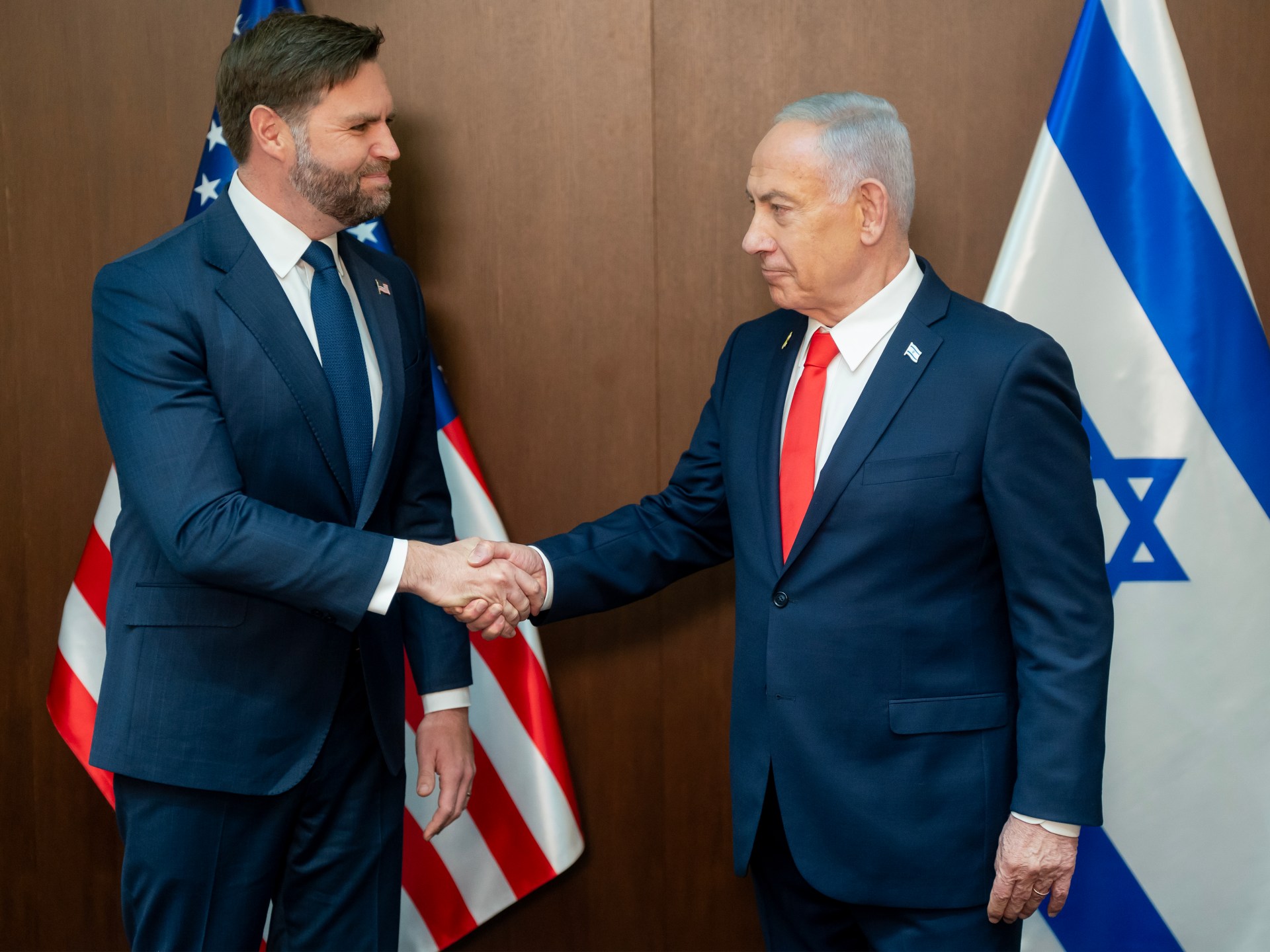
The U.S. midterm elections have highlighted growing challenges to decades of American military and diplomatic support for Israel, with potential long‑term effects on the alliance. Israeli Prime Minister Benjamin Netanyahu, who may leave office soon after last month’s general election, has left a legacy that includes a rapid deterioration of ties with the United States. This decline is evident not only among American political elites but also among the public. A change in Israeli leadership may not fully reverse the erosion of relations, which could impact Israel’s security, economy, and international standing.
On the day of the midterm elections, President Donald Trump announced that the United States would phase out approximately $4 billion in annual military aid to Israel by the end of 2026. The timing of the announcement surprised many, and the decision had reportedly been agreed upon earlier. The overall direction of U.S.–Israeli relations is clear: the almost automatic and unwavering support that has been extended by successive U.S. administrations, especially since 1967, is cooling.
Washington has generally supported Israel even when its policies have not aligned with American national interests. The current shift is driven by long‑term trends and immediate concerns. Critics of Netanyahu’s sixth government, the most far‑right in Israel’s history, point to Israel’s conduct in Gaza, the occupation of Palestinian territories, and settlement expansion as reasons for U.S. discomfort. Many of these critics are not anti‑Israel or anti‑Jewish; they object to the use of U.S. money and weapons in actions that have harmed Palestinians and to the impunity of extremist settlers.
The America First MAGA movement also questions the cost of U.S. aid to Israel, citing the $47 billion estimated cost of the recent war and the impact on domestic priorities. Both the MAGA and progressive‑liberal camps share a desire to reduce foreign military spending in favor of addressing domestic issues such as healthcare, homelessness, and youth unemployment.
Vice President J.D. Vance’s post‑midterm remarks blaming Israel for the deterioration of relations appear to deflect responsibility. The United States has its own intelligence community and should not rely solely on Israeli assessments, especially when deciding on actions that could provoke Iran. If U.S. policy followed misleading Israeli guidance, responsibility also lies with the U.S. administration.
The U.S.–Israel relationship is asymmetric: Israel receives nearly 70 percent of its major arms from the U.S., relies on U.S. diplomatic support, and is a significant trading partner. Washington can therefore reconsider Israel’s exceptional status in shaping U.S. regional policy. The relationship is unlikely to collapse entirely, but it is bound to change, driven by geopolitical and economic factors. With another presidential election two years away, politicians may distance themselves from an overly close relationship with Israel and make support more conditional on shared interests.
Historically, American support for Israel rested on three pillars: sympathy following the Holocaust and the need for a Jewish safe haven; shared liberal‑democratic values; and Israel’s role as a strong military ally in an unstable region. The first pillar is weakening as collective memory of the Holocaust fades. Israel’s democratic credentials are increasingly scrutinized, especially in its treatment of Palestinians, weakening the second pillar. Conflicts with Iran and other fronts raise questions about whether Israel remains an asset or a burden to U.S. interests. The midterm elections have brought these tensions to the forefront and may foreshadow the future direction of U.S.–Israeli relations.
Frequently asked questions
What did President Trump announce regarding U.S. military aid to Israel during the midterm elections?
President Donald Trump announced that the United States would phase out approximately $4 billion in annual military aid to Israel by the end of 2026.
What reasons do U.S. critics cite for discomfort with Netanyahu's government?
Critics point to Israel’s conduct in Gaza, the occupation of Palestinian territories, and settlement expansion as reasons for U.S. discomfort.