Politics
California Voters Reject One‑Time 5% Billionaire Tax
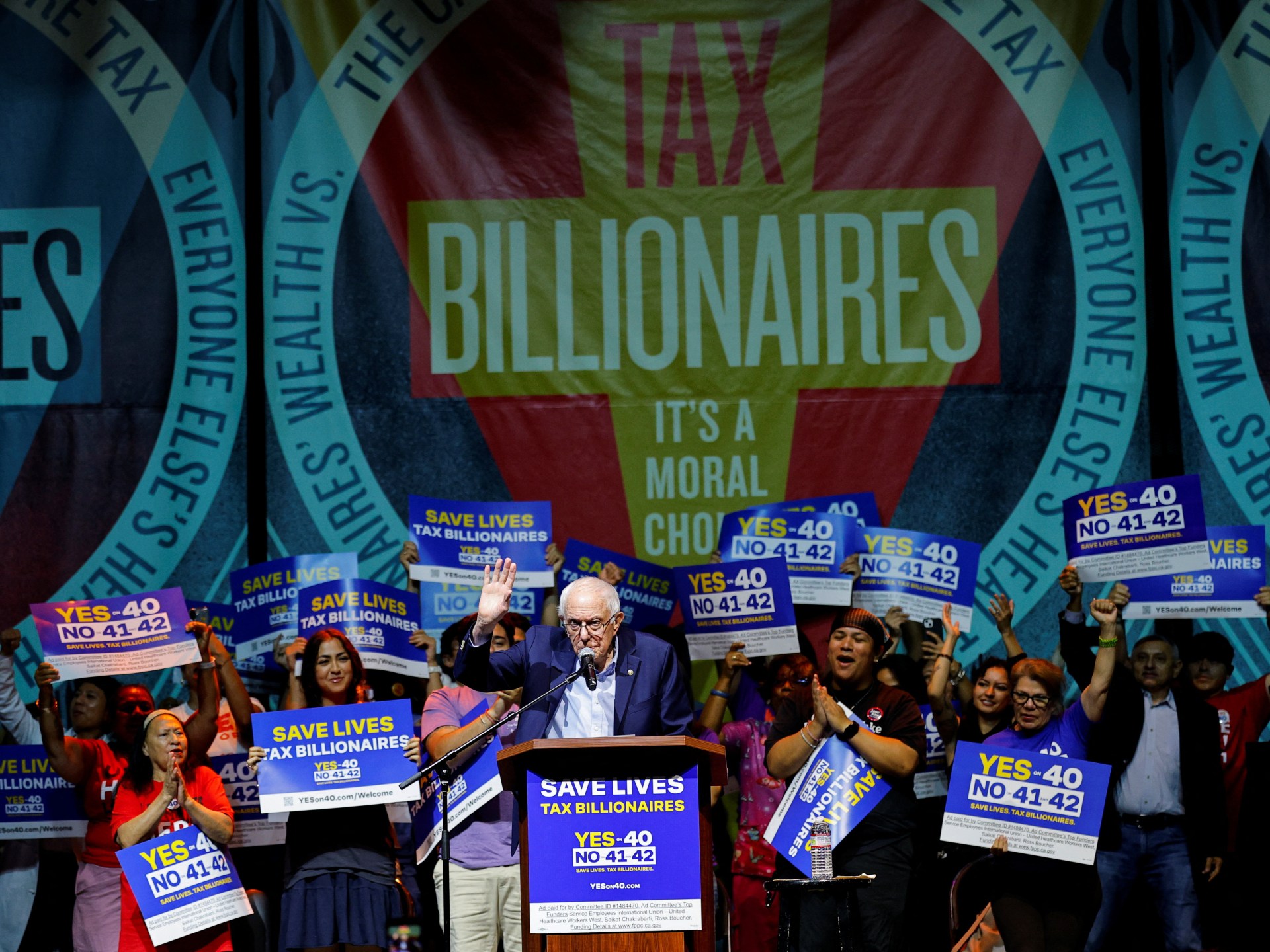
A measure that would have imposed a one‑time 5 percent tax on Californians with a net worth over $1 billion was rejected by voters. With about 60 percent of ballots counted, the “no” side led 55.6 percent to 44.4 percent for “yes.” The proposal, known as Proposition 40, was expected to raise $100 billion, most of which would have gone to healthcare programs, with additional funds earmarked for education and food‑assistance programs. It was supported by Senator Bernie Sanders and other progressive politicians as a way to address economic inequality and as a model for other states. Democrats argued the tax was needed to offset federal funding cuts under President Donald Trump’s budget. Outgoing Governor Gavin Newsom, a potential 2028 presidential candidate, opposed the measure, citing concerns that it would drive ultra‑wealthy tech entrepreneurs out of the state and reduce income‑tax revenue. Newsom’s stance, along with divisions among party leaders and labor unions, weakened early support for the proposal. The tax battle saw billionaires, including Google co‑founder Sergey Brin, spend more than a quarter of a billion dollars campaigning against it, warning that it could lead to broader taxation of all Californians and target retirement accounts. The defeat is a setback for the Democratic Party’s left wing, which had gained momentum after the 2022 midterm elections. Senate Finance Committee Chairman Ron Wyden has indicated that taxing the ultra‑wealthy remains a priority for the party, stating that the committee will intensify efforts to ensure billionaires pay their fair share and hold tax cheats accountable.
Frequently asked questions
What was Proposition 40?
Proposition 40 was a one‑time 5% tax on Californians with a net worth over $1 billion, expected to raise $100 billion for healthcare, education, and food‑assistance programs.
Why did Governor Gavin Newsom oppose the measure?
Governor Newsom said the tax would drive ultra‑wealthy tech entrepreneurs out of the state and reduce income‑tax revenue.