Politics
Netanyahu Holds Full Executive Powers as Israel’s Caretaker Prime Minister
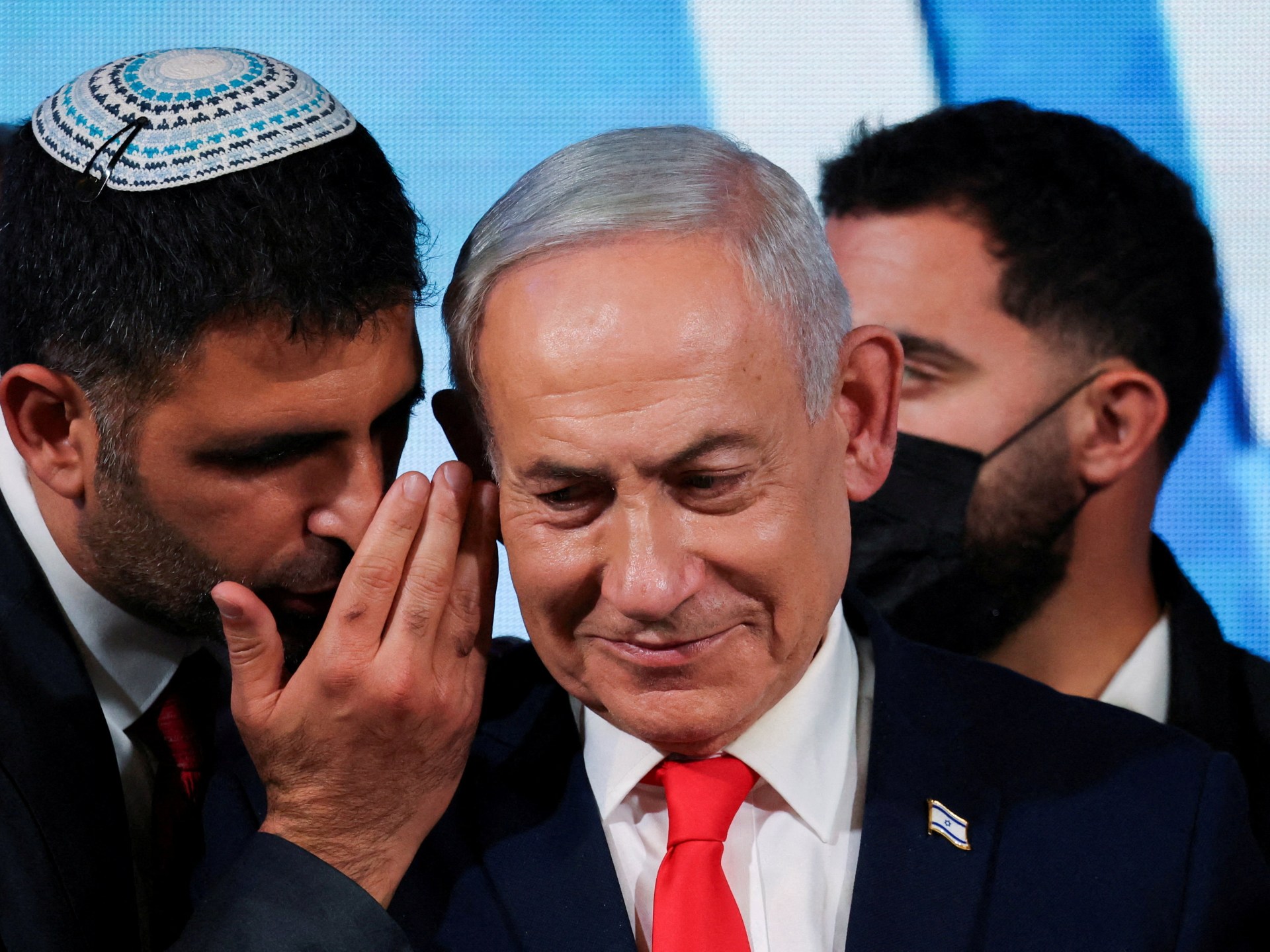
After Israel’s national elections, President Isaac Herzog gave opposition leader Gadi Eisenkot a chance to form a government. Neither Eisenkot’s alliance nor Prime Minister Benjamin Netanyahu’s coalition secured the 61 seats needed for a Knesset majority, leaving the next administration uncertain. While Eisenkot negotiates with potential partners, including Arab parties, Netanyahu remains the caretaker prime minister. If Eisenkot fails, Herzog may ask Netanyahu to form a coalition. In this transitional period, Netanyahu retains the executive authority of the current government, though he lacks a popular mandate.
Israel does not have a single constitution but relies on Basic Laws. Article 30 of the Basic Law: The Government states that the outgoing administration continues to operate until a new government is sworn in, ensuring continuity. During this time, the government manages the state, security, and foreign relations, but its actions are subject to restraint.
Security and war: Netanyahu can make new appointments and security‑related decisions, but he cannot unilaterally start a new conflict. Article 40 authorises the cabinet to launch a war only if it votes in favour. Netanyahu can influence existing threats, such as those from Iran or Lebanon, by shaping the information presented to ministers. The Shin Bet reports directly to the premier, a relationship unchanged during the caretaker period.
Legislative limits: While Netanyahu can take actions that may affect the next government—such as influencing financial decisions that could increase indebtedness—he cannot pass new legislation to protect himself from his ongoing corruption trial.
Political manoeuvring: Netanyahu is reportedly attempting to fracture the opposition bloc by appealing to Zionist voters and parties, portraying Eisenkot’s alliance as dependent on Arab parties. He may also encourage domestic unrest to disrupt the transition.
Comparison to other democracies: Caretaker prime ministers in the United Kingdom and India have the same legal powers as elected premiers but are expected to avoid major policy decisions, including war. In the United States, an outgoing president operates under a strict transition deadline with congressional oversight on budgets and appointments.