World
BVI Boosts Tax Cooperation with India to Attract Business
Nearly a decade after the Panama Papers leak drew scrutiny to the British Virgin Islands (BVI) for its offshore financial structures, the territory is now seeking to attract Indian businesses, saying it has addressed past shortcomings in sharing tax information with New Delhi. The Panama Papers, published in April 2016, comprised 11.5 million leaked files from Panamanian law firm Mossack Fonseca and exposed offshore structures used by wealthy individuals and companies worldwide. More than half of the offshore companies in the leaked files were incorporated in the BVI, and over 500 Indians, including non‑resident Indians, were associated with entities linked to the leak.
In an interview with Mint in August in New Delhi, Ayana Glasgow, director of financial services of the BVI, acknowledged that information‑sharing with India has faced challenges in the past. “India and BVI cooperate based on information exchange arrangements. In terms of sharing that information, we had some challenges years ago. The challenges related to the way our regime functioned quite some time ago, coming out of the Panama Papers.” She added, “That generated a lot of interest in the media on Indian persons, and whether or not they were paying their due tax. We've been able to address those, working very closely with the Indian authorities.”
Following the leak, the Indian government constituted a Multi‑Agency Group (MAG) on 4 April 2016 to facilitate coordinated and speedy investigations. It comprised officers from the Central Board of Direct Taxes (CBDT), the Enforcement Directorate (ED), the Financial Intelligence Unit and the Reserve Bank of India. India and the BVI had signed a Tax Information Exchange Agreement in February 2011 to help prevent tax evasion and money laundering. Under the agreement, the competent authorities of the two countries can exchange foreseeably relevant information for the administration and enforcement of domestic tax laws. After the leaks, India sent several requests to the BVI for information under the agreement. An official instruction issued in May 2016 by the revenue department’s Foreign Tax and Tax Research Division said the BVI was expected to receive numerous requests as investigations into the Panama Papers gathered momentum in India.
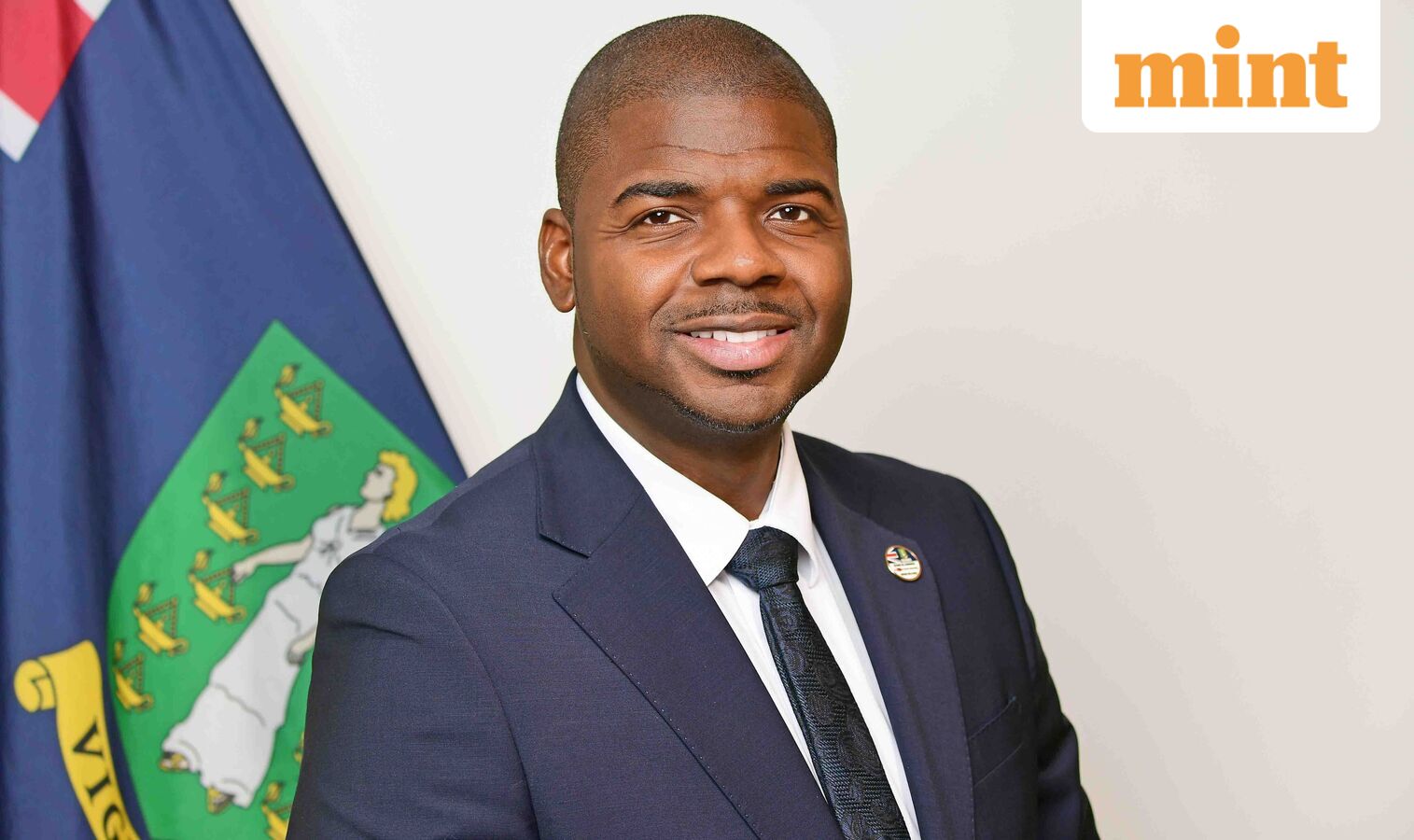
BVI Premier Natalio D. Wheatley said the territory had recognized the shortcomings and taken steps to improve cooperation with India. “I think this (the increased information sharing on taxes) is part of the reason why we were able to establish that relationship with the ministry of finance. We recognised that there were some challenges in terms of the information sharing and when we realised that, we took it head‑on.” He added, “We had our Hong Kong office director, we deployed him, and also the head of our international tax authority. We were able to establish a wonderful working relationship that India has become very satisfied with. We even fast‑tracked and prioritised all tax information requests from India.”
The improved bilateral relationship has also underpinned the BVI’s renewed commercial outreach to India. Wheatley led the territory’s first public‑private financial services trade mission to India from 24 to 31 August, seeking new business, stronger institutional ties and a larger presence in the Indian market. Queries on India’s Panama Papers investigation and its information‑sharing mechanism with the BVI, emailed to the revenue secretary, the CBDT chairman, the finance ministry spokesperson and the ministry of external affairs, remained unanswered until press time.
The investigations have also led to tax assessments under India’s black money law. In March, minister of state for finance Pankaj Choudhary told the Lok Sabha that undisclosed foreign income and assets worth ₹14,636 crore had been assessed to tax under the Black Money (Undisclosed Foreign Income and Assets) and Imposition of Tax Act, 2015, in cases identified through the Panama, Paradise and Pandora Papers leaks. That was more than a third of the ₹41,257 crore in tax and penalty demands raised across 1,368 assessments under the law through 31 December 2025. In 2020, following finance minister Nirmala Sitharaman’s approval, the government created dedicated Foreign Asset Investigation Units within the Income‑tax Department to investigate information received through international exchange mechanisms. The units also coordinate with field formations on assessment and enforcement action.