Sports
Rahul’s Versatility Keeps India’s Middle Order Solid
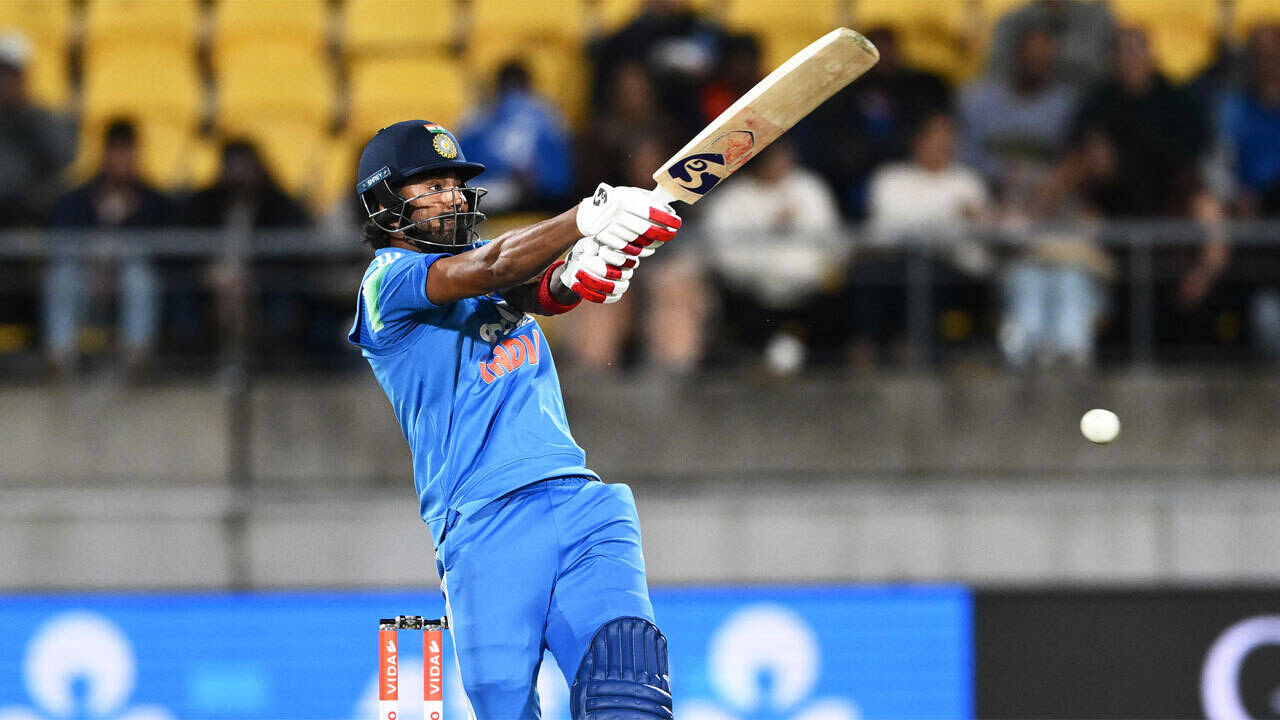
KL Rahul has become a dependable middle‑order anchor for India’s ODI team, adapting effortlessly to different roles and conditions. After moving down the batting order, the wicket‑keeper batter has consistently delivered, earning praise for his stability and versatility. Rahul has spent extensive time in the nets, tailoring his practice to a range of surfaces: slow turners in Dubai, flat tracks in India, and seaming pitches in New Zealand. Coach Sitanshu Kotak highlighted Rahul’s ability to perform as an accelerator, accumulator or rebuilder, noting that he rarely falters under pressure. Kotak added that Rahul’s experience as a red‑ball opener gives him an edge, allowing him to play according to the team’s needs and consistently contribute.
Rahul’s adaptability was evident during the 2023 ODI World Cup, where he faced criticism for a knock in the final but had earlier set the tone with a 97 against Australia in Chennai. In the opening match, he entered the innings at 2/3 during a 200‑run chase and helped India reach the target. In Wellington, a top‑order collapse left India at 39/3, yet the team retained Axar Patel at No. 5 and kept Rahul at No. 6. He scored an unbeaten 26 off 38 balls, handling seam movement and bounce with authority.
With South Africa’s conditions in mind, there is talk of promoting Rahul back to No. 5. Regardless of the number, his role as a rock holding India’s middle order remains unchanged.
Frequently asked questions
What role does KL Rahul play in India's ODI team?
He is a dependable middle‑order anchor and wicket‑keeper batter who adapts to different roles and conditions.
How did Rahul perform in the 2023 ODI World Cup?
He faced criticism for a knock in the final but earlier set the tone with a 97 against Australia in Chennai, helped India chase a 200‑run target, and scored an unbeaten 26 off 38 balls in Wellington handling seam movement.
What surfaces has Rahul practiced on?
He has practiced on slow turners in Dubai, flat tracks in India, and seaming pitches in New Zealand.