Business & Finance
Rupee Gains Five Days as Oil Prices Drop, Dollar Weakens and Foreign Investors Return
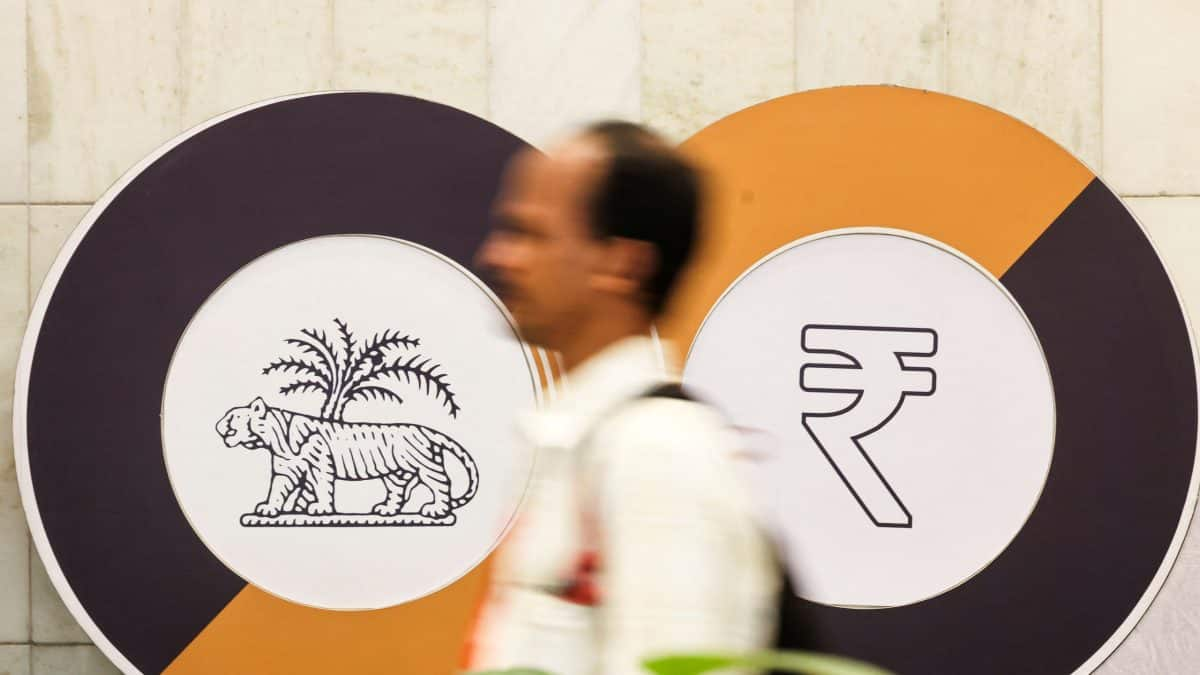
The Indian rupee has risen for five consecutive trading sessions, opening at 94.35 against the U.S. dollar on Thursday. The gain of 29 paise from Wednesday’s close of 94.64 was supported by falling crude oil prices, a weaker dollar and renewed foreign investor buying in Indian equities.
Brent crude fell 8.7 % in the previous session, dropping below $100 a barrel, and was trading around $93.50 on Thursday, down another 1 %. U.S. West Texas Intermediate also lost more than 8 % in the prior session. The decline has brought Brent to its lowest level in over two months as traders reassess the risk of prolonged disruptions to global oil supplies.
The rupee’s improvement is mirrored in the stock market. India’s benchmark indices opened near three‑month highs: the Nifty 50 rose 1.66 % to 24,357.3 and the Sensex gained 1.83 % to 78,719.72 as of 9.18 a.m. IST.
A key factor behind the market rally is the outcome of the U.S. midterm elections. The Democratic Party’s decisive victory and the Republican Party’s loss of control of Congress have led investors to reassess the possibility of a prolonged conflict between the U.S. and Iran. The political shift is seen as potentially pressuring President Donald Trump to seek a negotiated exit from the conflict, raising hopes of lower oil prices.
Foreign portfolio investors bought shares worth Rs 7,284 crore ($769.65 million) on Wednesday, marking their fourth consecutive session of net buying, according to provisional data. Their return is significant because sustained foreign selling had previously weighed on Indian equities and the rupee.
The weaker U.S. dollar also supports emerging‑market currencies. A decline in the U.S. dollar index reduces pressure on the rupee and supports global financial assets as investors reassess geopolitical risks.
India imports nearly 90 % of its crude oil, so international energy prices are a major factor in its economic and currency outlook. Lower oil prices reduce India’s dollar requirements for imports, improve its external balance and help contain inflation, which in turn can make Indian assets more attractive to foreign investors.
While the rupee’s five‑session winning streak and the return of foreign investors provide short‑term relief, sustaining these gains could be difficult if oil prices rise again. The currency remains exposed to foreign investor flows, movements in the dollar and broader global market uncertainty. The sustainability of the rupee’s recovery will largely depend on the direction of crude prices and developments in the U.S.–Iran conflict.
Frequently asked questions
What factors contributed to the rupee's five-day gain?
The rupee's five-day gain was supported by falling crude oil prices, a weaker U.S. dollar, and renewed foreign investor buying in Indian equities.
How did Brent crude prices affect the rupee?
Brent crude fell 8.7% to below $100 a barrel, and its decline brought it to its lowest level in over two months, supporting the rupee's rise.
What was the impact of foreign portfolio investors on the rupee?
Foreign portfolio investors bought shares worth Rs 7,284 crore ($769.65 million) on Wednesday, marking their fourth consecutive session of net buying, which helped support the rupee.