World
Israel’s Election Results Leave Government Formation Uncertain
By Ilan Pappe
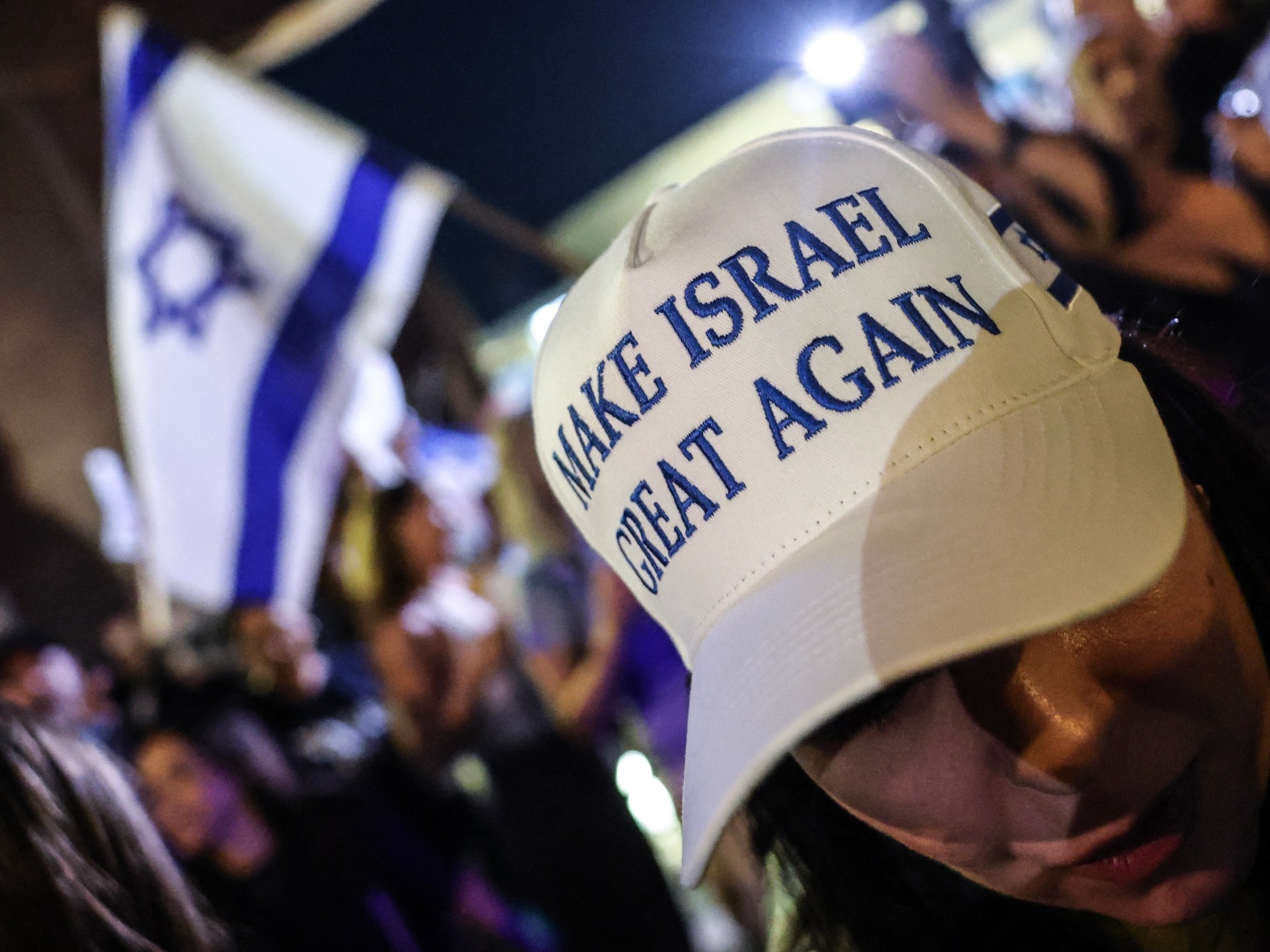
Israel’s recent elections have left the political landscape in a state of flux. Prime Minister Benjamin Netanyahu’s bloc, which previously held a solid majority in the 120‑member Knesset, has been reduced to 53 seats, while the anti‑Netanyahu coalition now holds 67 seats. A majority of at least 61 seats is required to form a government.
Netanyahu’s bloc would need to secure additional support from other parties to reach the required threshold. Cooperation with the two Palestinian parties, which together hold 19 seats, is unlikely for Netanyahu. The anti‑Netanyahu coalition could consider forming a coalition that includes the Palestinian parties, but its leaders, including Gadi Eisenkot, have stated they would not do so under any circumstances.
Another possibility for the anti‑Netanyahu bloc is to seek the backing of religious Orthodox parties, which have previously been part of Netanyahu’s coalition. This would require promises such as exempting Orthodox youth from military service and guaranteeing funding for their learning centres, commitments that conflict with Eisenkot’s campaign pledge to conscript young Haredi Jews.
A third option is a “unity government” with a rotating premiership between Netanyahu and a leader of the anti‑Netanyahu bloc. However, a law passed a few years ago bars Netanyahu from serving as a minister while he remains a defendant in an ongoing corruption trial. The trial is expected to continue for an extended period, making it unlikely that Netanyahu could participate in such a government.
If no coalition can be formed, new elections would be called within six months. Until then, Netanyahu’s government would remain in office with limited authority. During this period, it could pursue military actions against Iran and Hezbollah and continue its policies in Gaza and the West Bank.
The election results also highlight the status of Palestinian citizens of Israel. They may choose to vote in future elections, but repeated sidelining by other parties could discourage their participation. Palestinian parties have recommended Eisenkot for the premiership, and President Isaac Herzog has tasked him with forming a government.
The outcomes of these elections and the subsequent political developments are expected to influence Israel’s domestic stability, its international relations, and the broader discourse on Zionism and regional security.